🌱 What is Porcelain Vine?
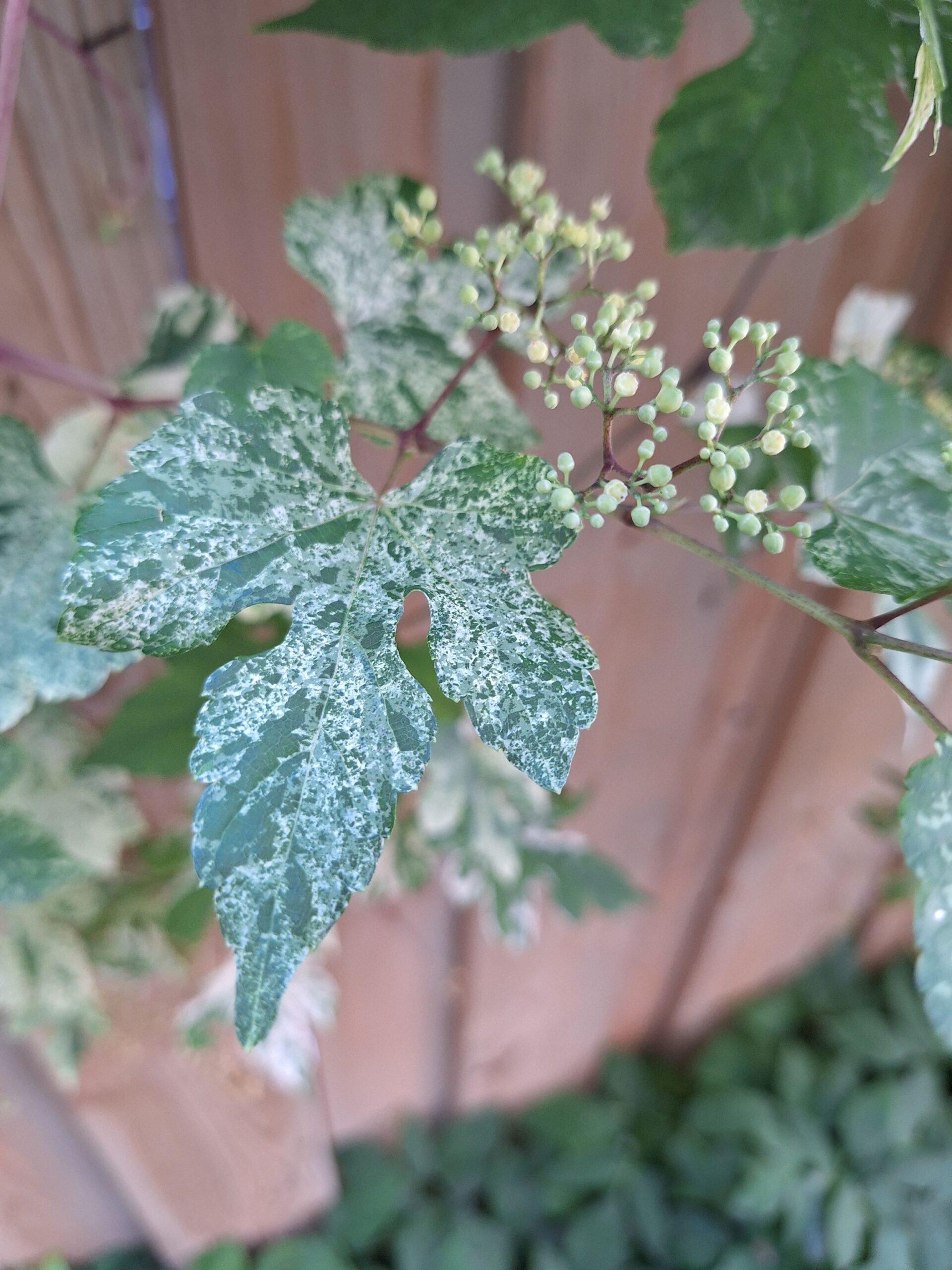
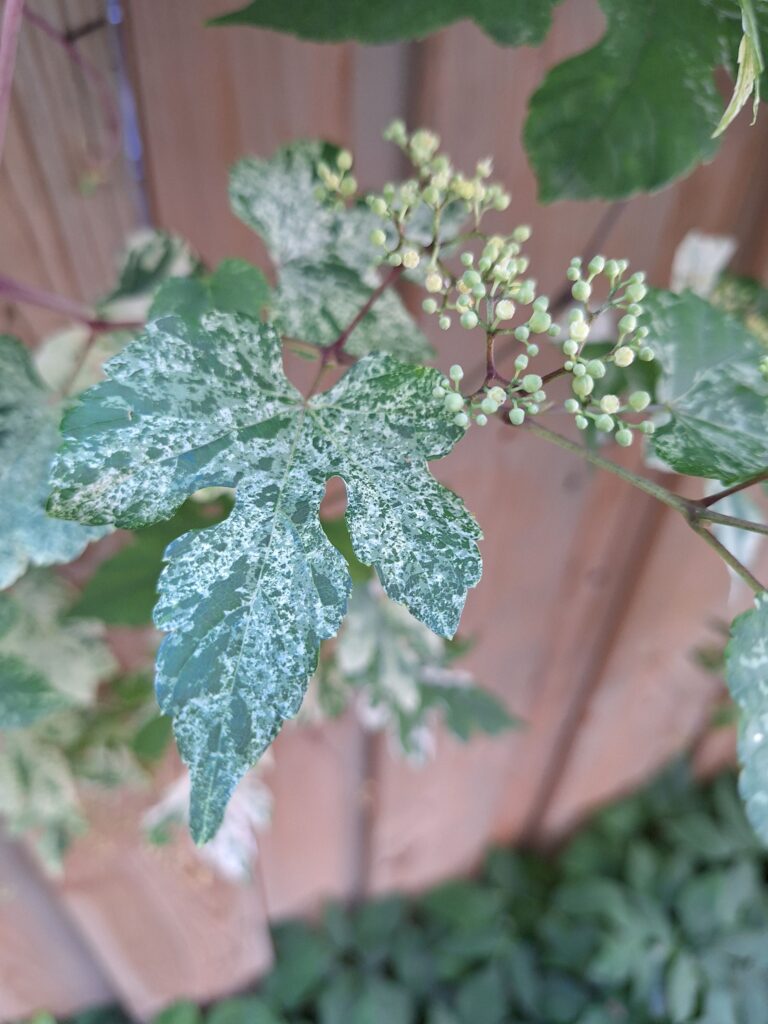
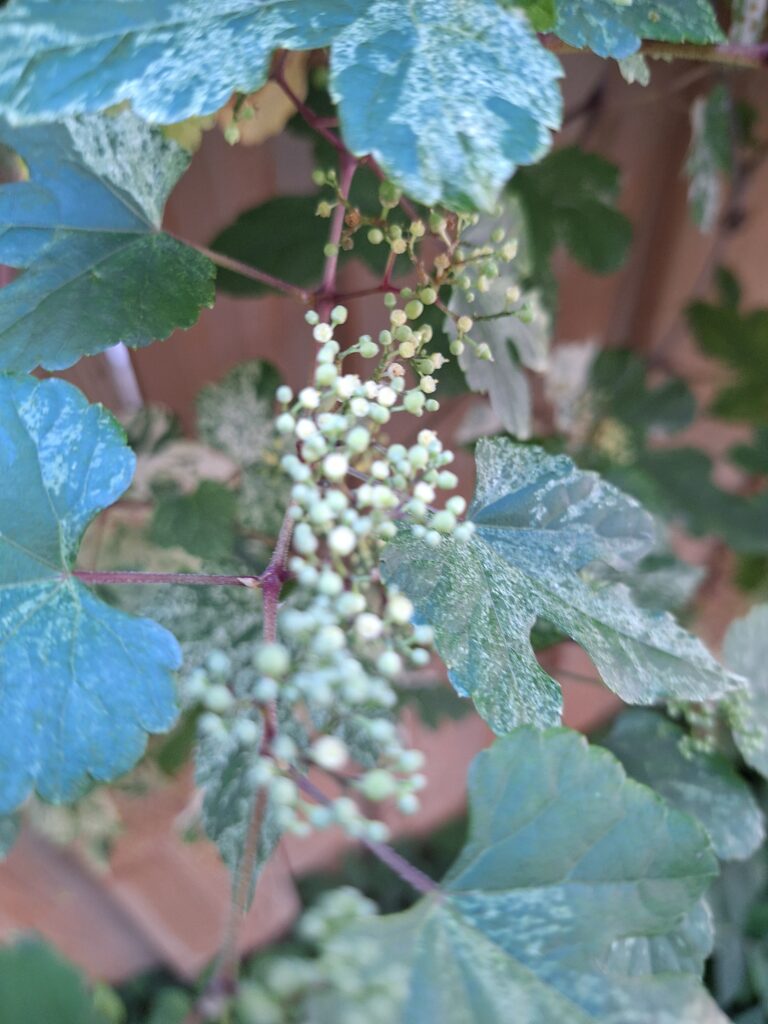
Porcelain vine is the common name for Ampelopsis glandulosa var. brevipedunculata (synonym: Ampelopsis brevipedunculata), also known as porcelain berry or Amur peppervine. A member of the grape family (Vitaceae), this woody, deciduous climber can reach up to 20–30 feet, producing vibrant greenish-white flowers in summer and striking speckled berries in shades of white, pink, blue, or purple in fall.
🌏 Origins and Introduction
Native to temperate regions of East Asia—including China, Japan, northern India, Nepal, Myanmar, and the Philippines—A. glandulosa var. brevipedunculata was introduced to the United States and Canada in the late 19th century as an ornamental plant.
⚠️ Invasive Tendencies
Despite its ornamental appeal, porcelain vine is a wolf in sheep’s clothing:
- Forms dense mats that smother native vegetation and young trees by cutting out sunlight.
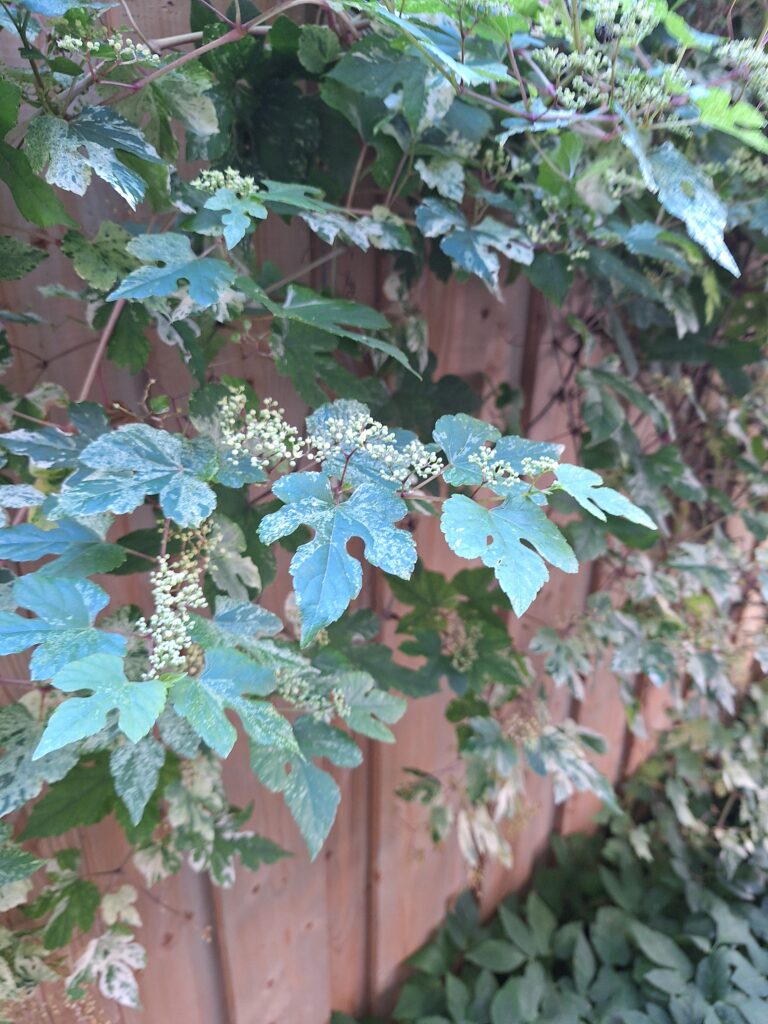
- Reaches up to 20–25 ft in a single growing season, quickly engulfing fences, shrubs, and tree canopies.
- Produces fruit consumed by birds and small mammals, leading to widespread seed dispersal; seeds remain viable for years, and the plant also spreads vegetatively via root regeneration.
- Considered invasive in many U.S. states—particularly in the Northeast and Midwest; in several states it is listed as prohibited or noxious. Check out this website for more information on invasive species in Ontario.
✅ Status in Ontario
Porcelain vine is not currently regulated or listed as invasive in Ontario, according to provincial invasive species databases. However, its aggressive growth and invasive behavior in nearby regions make it a serious ecological risk for local plant communities.
🚫 Please Do Not Plant This
Given its potential:
- Avoid planting porcelain vine in your garden or landscapes.
- If you already have it, please remove it as soon as possible to prevent its spread.
🛠️ How to Remove Porcelain Vine
Choose the method that best suits the extent of infestation:
Manual & Mechanical Removal
- Pull small vines when soil is moist, removing entire root systems; place all debris into sealed black bags and leave in the sun for 5 days before disposal.
- For vines climbing trees or structures: use pruners/saw to cut at chest height, leave upper sections to dry and die.
Chemical Control (Herbicide Treatment)
- Not allowed in Ontario under the Cosmetic Pesticide Ban.
🌼 Looking for Alternatives?
If you’re seeking climbing or ornamental options that offer similar structure without invasive risks, we’d be happy to suggest eco-friendly native or non-invasive alternatives.
For advice or alternatives, please reach out to Matt:
📧 matt@verdantlandscaping.ca
📞 905‑299‑9403
Let’s work together to keep Ontario landscapes beautiful and biodiversity-friendly.Would you like me to also include a list of native vine alternatives for Ontario gardens?