Philodendron Brasil
Few houseplants combine beauty and simplicity quite like Philodendron hederaceum ‘Brasil’. With its colorful variegated foliage and cascading vines, this tropical plant adds life and energy to homes, offices, and indoor plant displays.
Whether growing from a hanging basket, trailing from a bookshelf, or climbing a moss pole, Philodendron Brasil rewards plant owners with lush growth and year-round visual appeal.
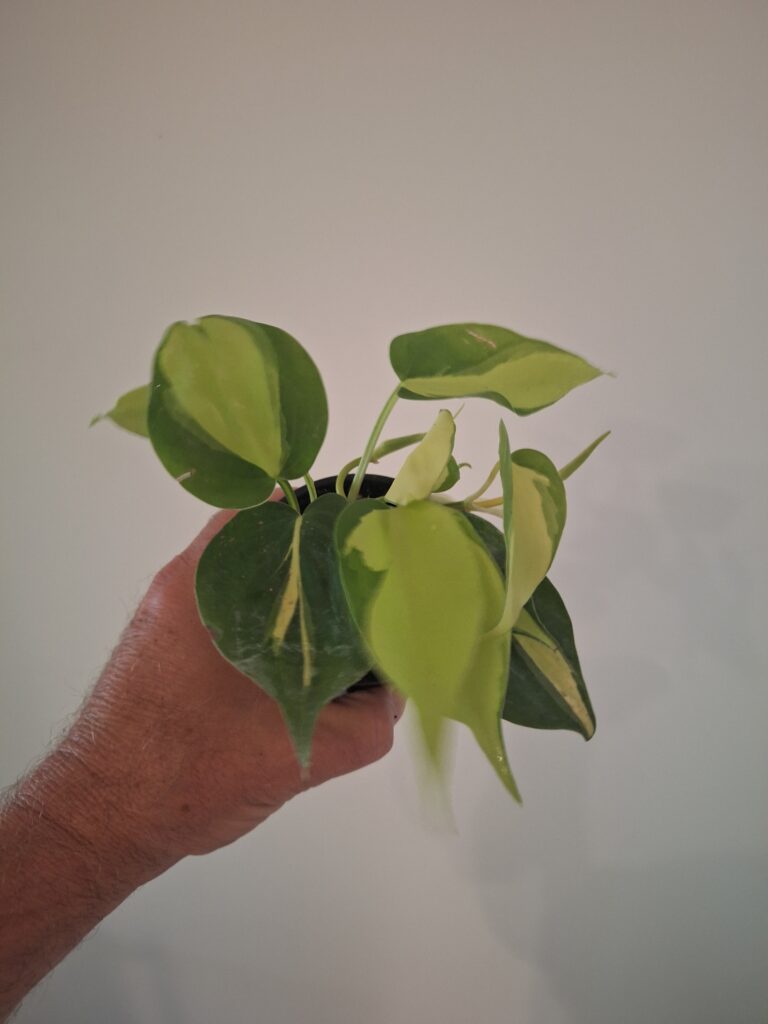
History and Origins
Philodendron Brasil is a cultivated variety of the Heartleaf Philodendron (Philodendron hederaceum), a species native to the tropical rainforests of Central America, South America, and the Caribbean.
In its natural environment, the plant climbs tree trunks and stretches toward filtered sunlight beneath the forest canopy. The cultivar name “Brasil” is believed to reference the plant’s vibrant green and yellow coloration, reminiscent of the colours associated with Brazil’s national flag.
Today, Philodendron Brasil is one of the most widely grown indoor plants thanks to its attractive foliage, adaptability, and ease of care.
Plant Description
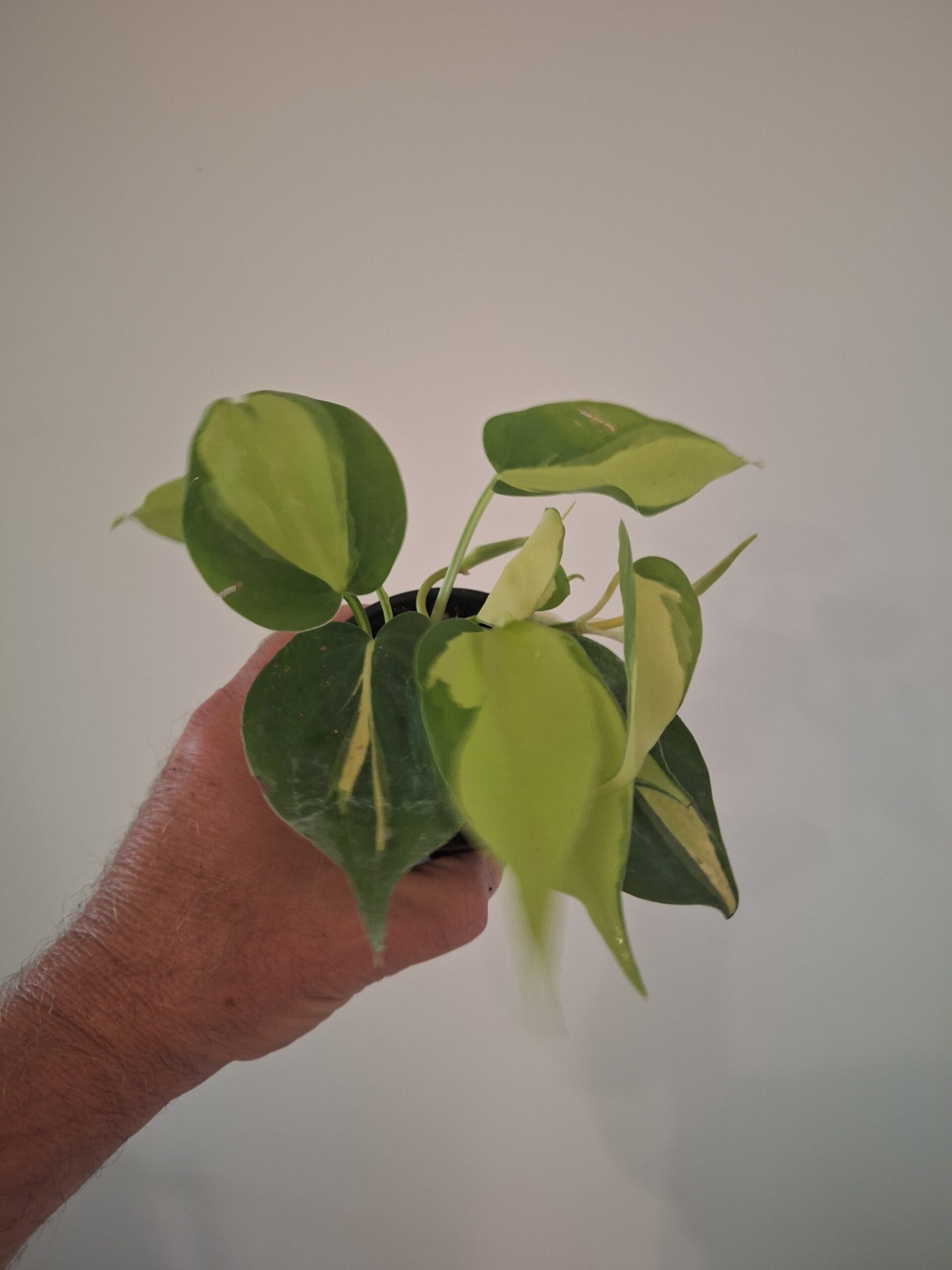
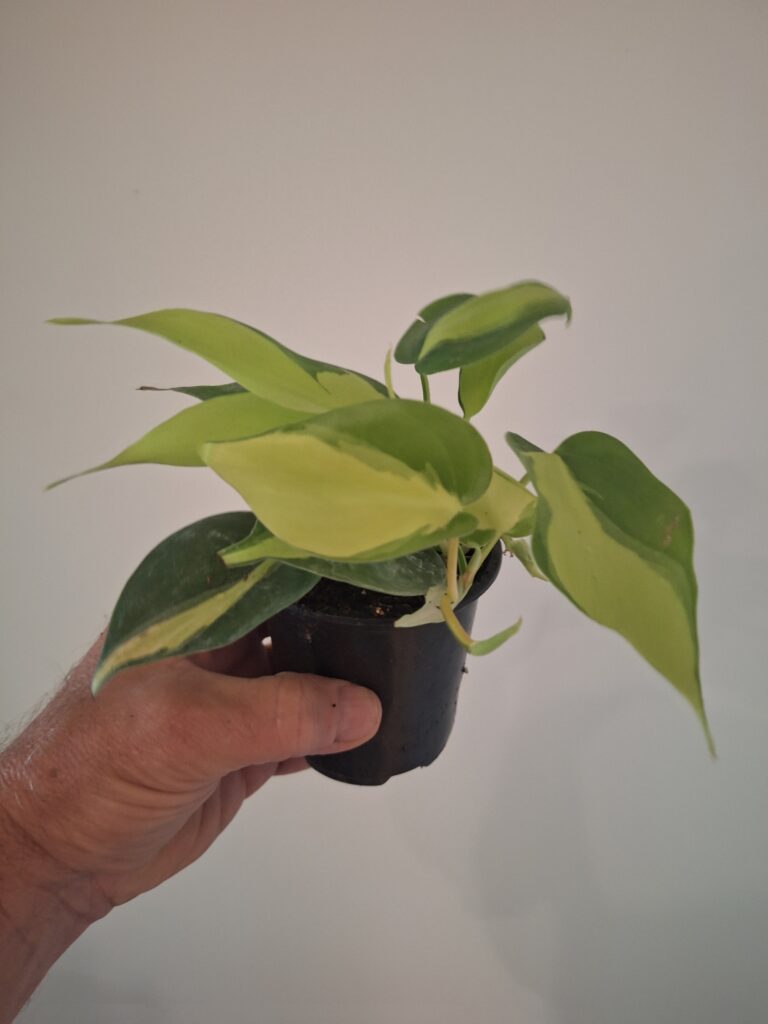
Philodendron Brasil is a tropical evergreen vine featuring glossy, heart-shaped leaves with dramatic variegation.
Key Features
- Heart-shaped foliage
- Lime-green and dark-green variegation
- Trailing or climbing growth habit
- Fast-growing under ideal conditions
- Easy-care nature
- Attractive year-round appearance
The colorful patterning varies from leaf to leaf, making every plant unique. Some leaves may display broad lime-green streaks, while others exhibit intricate marbling.
Indoors, vines commonly grow several feet long and can be pruned to maintain a compact, bushy appearance.
Ideal Growing Conditions
Light Requirements
Philodendron Brasil performs best in:
- Bright indirect light
- Medium indirect light
- East-facing windows
- Locations near bright windows
Bright light encourages strong growth and vibrant variegation.
Although the plant tolerates lower light conditions, growth may slow and the variegation may become less pronounced.
Avoid prolonged exposure to harsh direct sunlight, which can scorch the leaves.
Temperature
As a tropical plant, Philodendron Brasil prefers warm conditions.
Ideal temperatures range between:
- 18°C to 29°C (65°F to 85°F)
Protect the plant from:
- Cold drafts
- Frost
- Sudden temperature fluctuations
- Air conditioning vents
Consistent temperatures help promote healthy, vigorous growth.
Watering
One of the secrets to success with Philodendron Brasil is avoiding overwatering.
Watering Tips
- Allow the top 2 to 5 cm (1 to 2 inches) of soil to dry before watering.
- Water thoroughly until excess moisture drains from the container.
- Empty drainage trays after watering.
- Reduce watering frequency during winter.
The plant can tolerate occasional dryness better than constantly wet soil.
Soil Requirements
Philodendron Brasil thrives in soil that is:
- Well-draining
- Rich in organic matter
- Light and airy
- Moisture-retentive without becoming soggy
A quality indoor tropical plant mix enhanced with perlite and orchid bark provides excellent drainage and root health.
Always use a container with proper drainage holes.
Fertilizing
Feed monthly during spring and summer using a balanced liquid houseplant fertilizer.
Benefits of regular feeding include:
- Faster growth
- Larger leaves
- Enhanced variegation
- Healthier vines
Reduce fertilization during autumn and winter when growth naturally slows.
Pruning and Training
Philodendron Brasil responds exceptionally well to pruning.
Pruning helps:
- Encourage branching
- Create a fuller plant
- Control vine length
- Remove damaged foliage
For larger leaves and a more dramatic appearance, train vines to climb a moss pole or trellis. Climbing plants often develop bigger foliage than trailing specimens.
Propagation
Philodendron Brasil is one of the easiest houseplants to propagate.
Simple Propagation Method
- Cut a healthy stem just below a node.
- Remove lower leaves.
- Place the cutting in water or moist potting mix.
- Wait for roots to develop.
- Transplant once roots are established.
This simple process allows gardeners to create new plants for themselves or to share with friends.
Common Pests and Problems
Philodendron Brasil is generally easy-going but may occasionally experience a few issues.
Potential Pests
- Spider mites
- Mealybugs
- Scale insects
- Fungus gnats
Routine inspection helps catch problems early.
Common Growing Issues
Yellow Leaves
Often caused by overwatering or poor drainage.
Brown Leaf Tips
May indicate low humidity, salt buildup, or inconsistent watering.
Leggy Growth
Usually a sign that the plant needs more light.
Fading Variegation
Often occurs when the plant is grown in overly dark conditions.
Interesting Facts About Philodendron Brasil
Every Leaf Is Different
No two leaves display exactly the same variegation pattern, giving each plant its own unique character.
It’s a Natural Climber
In tropical forests, Philodendron species use aerial roots to climb trees in search of brighter light.
It Helps Create a Jungle Feel Indoors
Its cascading vines and lush foliage make it one of the best plants for creating a tropical indoor aesthetic.
It’s Beginner Friendly
Philodendron Brasil is among the easiest houseplants to grow, making it ideal for those new to indoor gardening.
It’s Fast Growing
Under proper conditions, this plant can produce impressive vine growth throughout the growing season.
Final Thoughts
Philodendron hederaceum ‘Brasil’ is an outstanding houseplant that combines stunning foliage with easy maintenance. Its vibrant green-and-gold leaves, fast growth, and adaptability make it a favourite for homes, offices, apartments, and indoor plant collections.
Provide bright indirect light, well-draining soil, moderate watering, and occasional feeding, and this beautiful tropical vine will reward you with lush, colourful growth for years to come.