Peperomia obtusifolia (Baby Rubber Plant)
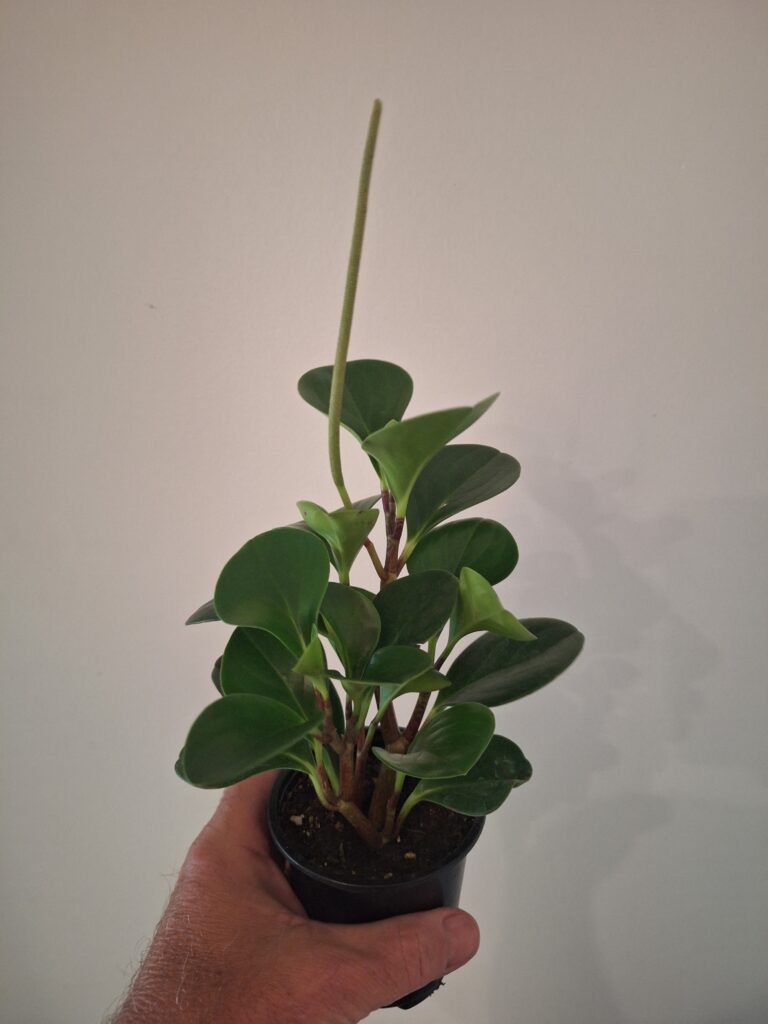
If you’re looking for a stylish indoor plant that is both attractive and easy to care for, the Baby Rubber Plant is an excellent choice. Its thick, shiny leaves and compact growth habit make it a perfect addition to desks, shelves, windowsills, and indoor plant collections.
Unlike many tropical houseplants that demand constant attention, Peperomia obtusifolia is remarkably forgiving. Its semi-succulent leaves allow it to store moisture, helping it tolerate occasional neglect while maintaining its attractive appearance.
History and Origins
Peperomia obtusifolia is native to tropical regions of Central America, South America, and the Caribbean, where it grows in warm, humid forests.
In its natural habitat, it can be found growing as a groundcover beneath tree canopies or perched on fallen logs and branches. The plant has adapted to filtered light conditions, making it exceptionally well suited to indoor environments.
Although commonly called the Baby Rubber Plant, it is not related to the Rubber Tree (Ficus elastica). The nickname comes from its thick, glossy leaves, which resemble miniature versions of a rubber plant’s foliage.
Today, it remains a favourite houseplant around the world due to its durability, attractive foliage, and compact size.
Plant Description
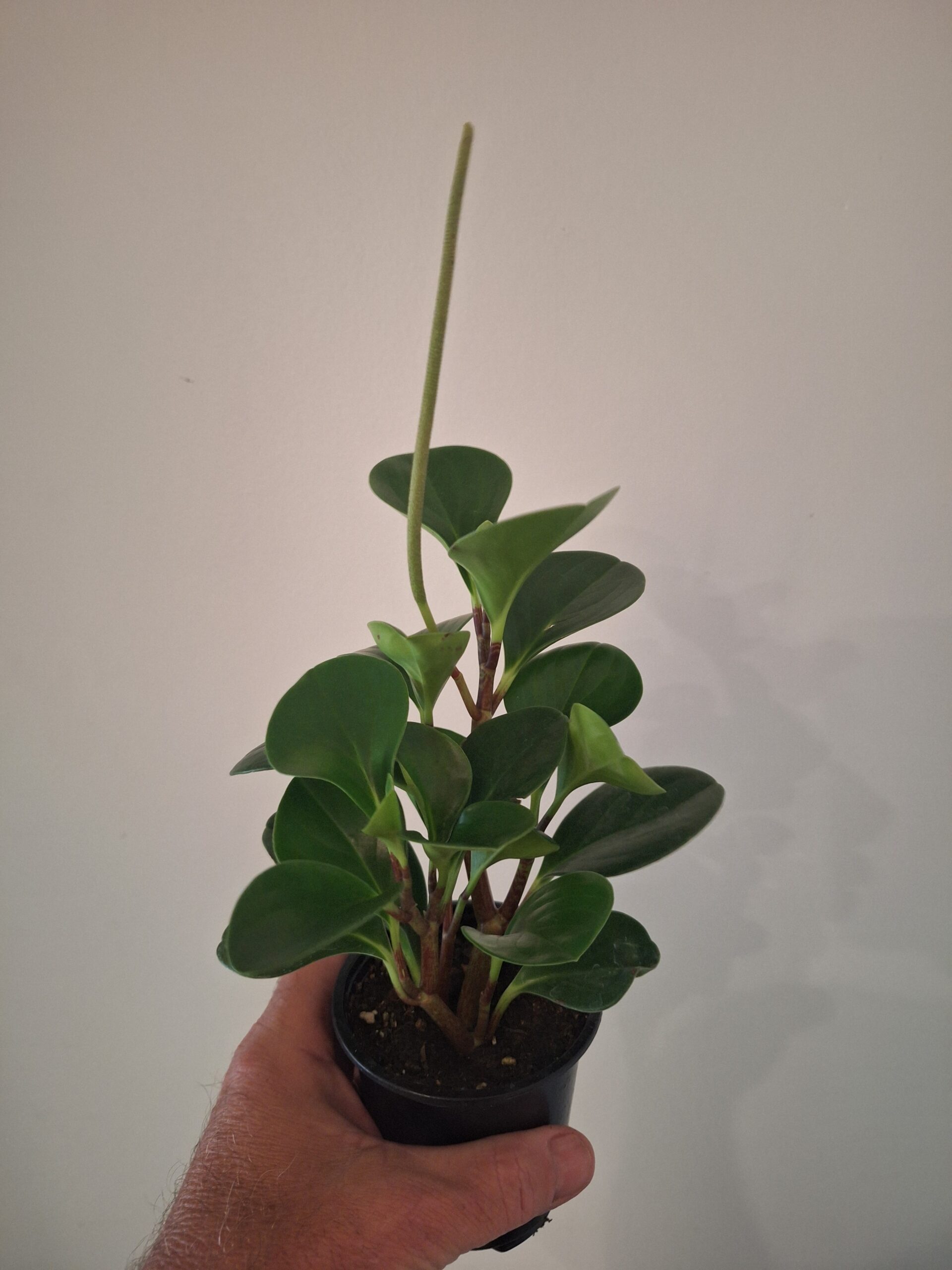
Baby Rubber Plant is a bushy, upright evergreen known for its lush foliage and tidy growth habit.
Key Features
- Thick, glossy leaves
- Compact, rounded growth habit
- Succulent-like water storage ability
- Attractive green or variegated foliage
- Slow to moderate growth rate
- Excellent adaptability to indoor conditions
The leaves are typically deep green, although variegated cultivars featuring cream, white, yellow, or light green markings are also popular.
Most plants reach between 20 and 40 cm (8 to 16 inches) in height, making them ideal for small spaces.
Ideal Growing Conditions
Light Requirements
Baby Rubber Plant grows best in:
- Bright indirect light
- Medium indirect light
- East-facing windows
- Rooms with filtered sunlight
While it tolerates lower light conditions better than many houseplants, brighter locations encourage fuller growth and more vibrant foliage.
Avoid intense direct afternoon sun, which may scorch the leaves.
Variegated varieties generally require slightly more light to maintain their colourful patterns.
Temperature
This tropical plant prefers warm indoor temperatures.
Ideal temperatures include:
- 18°C to 27°C (65°F to 80°F)
Avoid:
- Cold drafts
- Frost
- Temperatures below 13°C (55°F)
- Sudden temperature fluctuations
Consistent warmth promotes healthy growth.
Watering Requirements
One of the biggest mistakes in caring for Peperomia obtusifolia is overwatering.
Because its leaves store moisture, the plant prefers to dry slightly between waterings.
Watering Tips
- Water when the top few centimetres of soil feel dry.
- Water thoroughly and allow excess water to drain away.
- Reduce watering during winter months.
- Never leave the plant sitting in standing water.
When in doubt, it’s generally safer to underwater than overwater.
Soil Requirements
Baby Rubber Plant prefers a growing medium that is:
- Well-draining
- Light and airy
- Rich in organic matter
A quality indoor potting mix amended with perlite works very well.
Good drainage is essential to prevent root rot and maintain healthy roots.
Always select pots with drainage holes.
Fertilizing
Feed monthly during the spring and summer growing season using a balanced liquid houseplant fertilizer.
Benefits of regular feeding include:
- Healthier foliage
- Improved growth
- Richer leaf colour
- Stronger root development
Reduce or stop fertilizing during the winter when active growth slows.
Pruning and Maintenance
Baby Rubber Plant requires very little maintenance.
Pruning may be used to:
- Maintain shape
- Encourage bushier growth
- Remove damaged leaves
- Prevent legginess
Occasionally wiping the leaves with a damp cloth helps remove dust and keeps the foliage looking glossy and healthy.
Repotting
This plant prefers being slightly root-bound and does not require frequent repotting.
Repot every two to three years or when:
- Roots begin emerging from drainage holes
- Water drains too quickly
- Growth becomes restricted
Choose a container only slightly larger than the current pot.
Propagation
One reason Baby Rubber Plant remains popular is how easy it is to propagate.
Propagation Methods
- Stem cuttings
- Leaf cuttings
- Water propagation
- Soil propagation
Even a single healthy leaf can often produce an entirely new plant, making it a fun project for indoor gardeners.
Common Pests and Problems
Although generally trouble-free, occasional issues can occur.
Potential Pests
- Mealybugs
- Spider mites
- Fungus gnats
- Scale insects
Regular inspection helps prevent infestations from becoming serious.
Common Problems
Yellow Leaves
Usually caused by overwatering.
Drooping Stems
May indicate excessive moisture or poor drainage.
Leggy Growth
Often a sign that the plant requires more light.
Root Rot
The most common serious problem, almost always linked to overwatering.
Most issues are easily corrected by adjusting care routines.
Interesting Facts About Baby Rubber Plant
It’s Semi-Succulent
Although considered a tropical plant, its thick leaves store water much like a succulent, making it surprisingly drought tolerant.
It’s Perfect for Small Spaces
Its compact growth habit makes it ideal for apartments, offices, dorm rooms, and small homes.
It Produces Unusual Flowers
The flowers are small and grow on thin spikes that resemble tiny rat tails. While not particularly showy, they add an interesting feature to mature plants.
It’s Beginner Friendly
Few houseplants are as forgiving as Peperomia obtusifolia, making it a favourite recommendation for first-time plant owners.
It Comes in Many Varieties
Gardeners can choose from solid green forms or variegated selections featuring beautiful combinations of cream, yellow, and green foliage.
Why You Should Grow a Baby Rubber Plant
If you’re searching for a low-maintenance indoor plant that offers year-round beauty, Peperomia obtusifolia is difficult to beat. Its glossy leaves, compact size, drought tolerance, and adaptability make it an outstanding choice for homes and offices alike.
Whether you’re an experienced collector or just starting your indoor gardening journey, the Baby Rubber Plant is a reliable and rewarding addition to any plant collection.