I was having a chat with a client recently about thatch on their lawn. I mentioned the word thatch and the client ‘s eyes bulged as if said there were zombies in their shed.
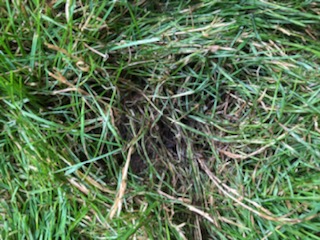
One thing a lot of people don’t understand is thatch is a naturally occurring integral part of your lawn. Excess thatch can be a real health issue on lawns. Let me tell you a little about thatch….
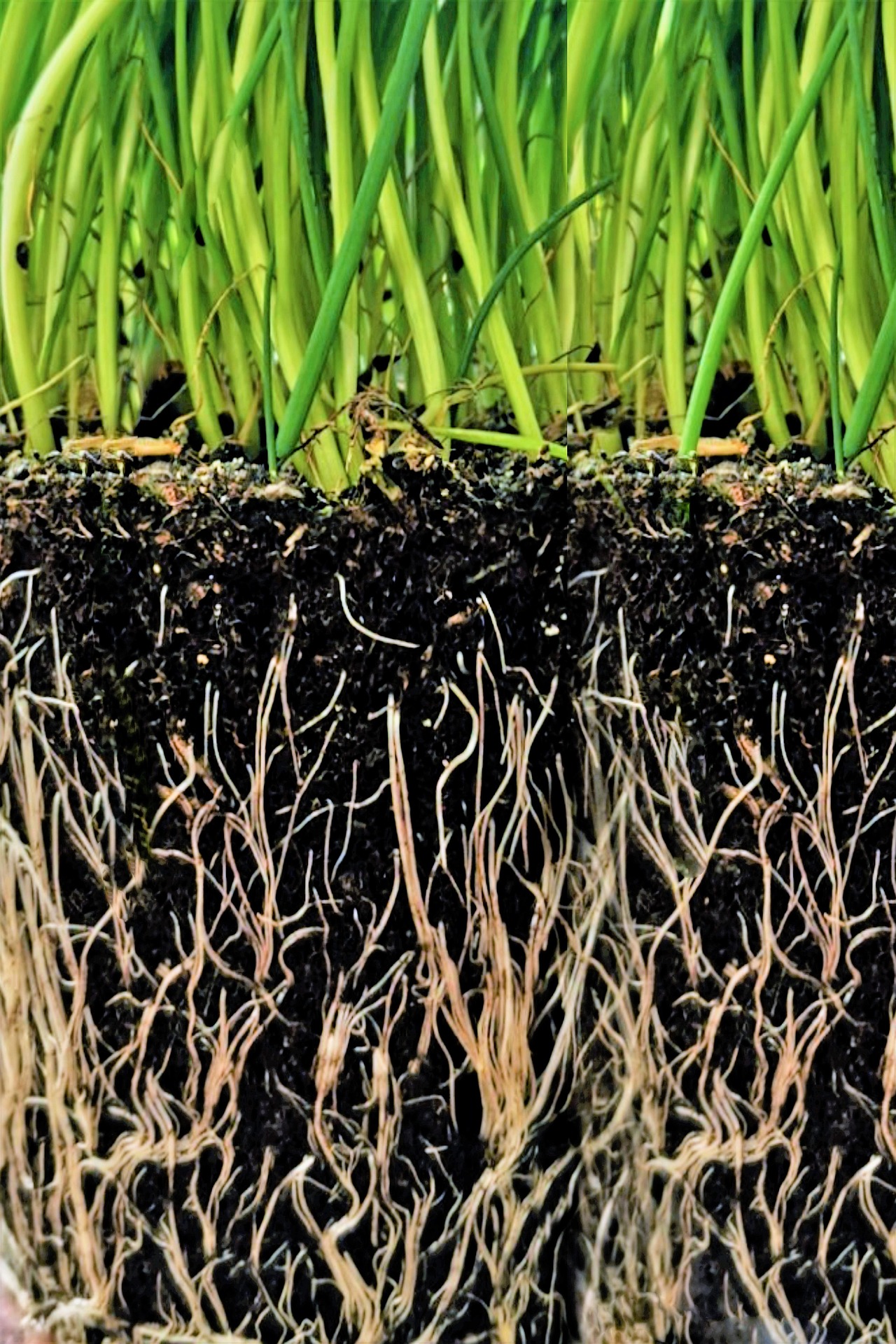
Thatch is naturally occurring. When you mow your lawn the clippings fall to the soil surface. In the spring, the thatch builds up fairly quickly. Through the summer it builds up slowly and late summer and fall it builds up quickly again. All the time the thatch is also breaking down as soil bacteria and other organisms consume it – it decomposes. As it decomposes it releases valuable nutrients back to the soil to enter the soil food web.
Thatch is important to the health of a lawn. Thatch helps protect the crown of the grass plant. It is sort of like mulch in a garden. It can contribute positively to the health of grass plants.
Excess thatch can be caused by a number of things including too frequent mowing, excess fertilizer application, and others. If you have thatch the first thing to do is stop doing whatever is causing it!
Roughly, more than about 1 cm, about ½” of thatch is too much. It can cause many different issues such as:
- Shallow rooting.
- Poor growth and turf colour.
- Can give habitat to insects such as chinch bug.
- Drought stress. This can occur even under irrigated conditions. The thatch blocks the water from entering the soil – think of a thatched roof.
If you ever run into a situation where you have excess thatch there are a few ways to remedy the situation.
- Core aerating. This pokes holes through he thatch allowing oxygen to enter the soil stimulating the bacteria that will break the thatch down.
- Power raking. This is a slightly more aggressive way to treat thatch. The machines baldes are set “high” as to not damage the grass crowns.
- This is a last ditch effort to remove thatch. The blades are set lower to scarify the surface of the soil. This causes a lot of damage and should only be done when the grass is growing actively – mid-August through mid-September. We suggest topdressing and overseeding at this point to help the lawn recover more quickly.
As always, if you have any questions please contact us.