Actaea pachypoda: A Striking and Essential Woodland Native in Ontario
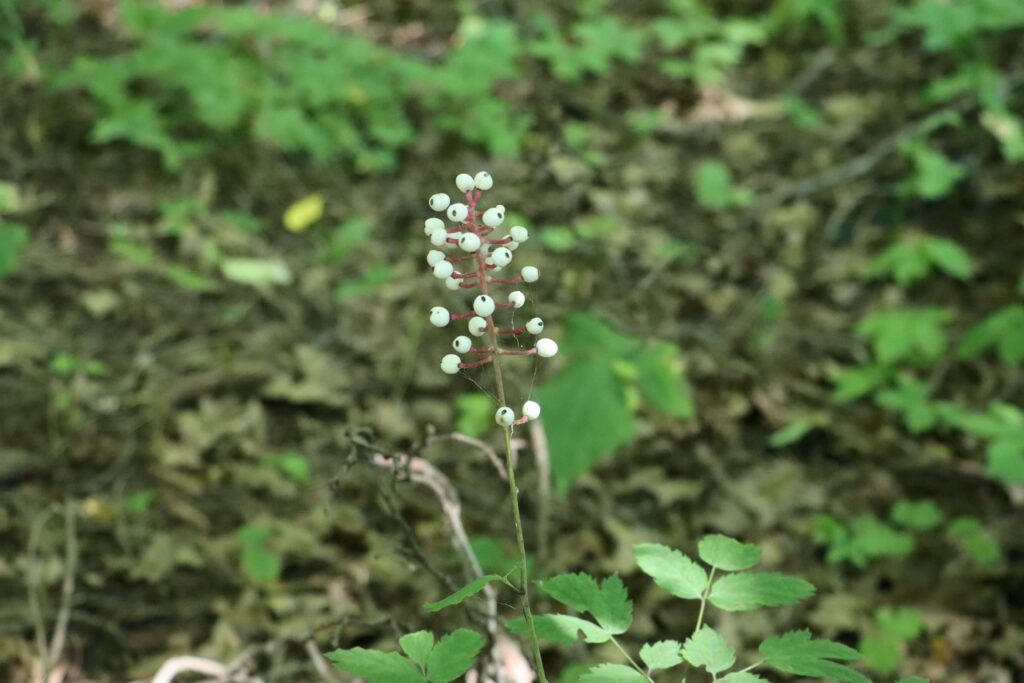
If you’ve ever walked through a shaded Ontario forest in late summer and spotted a cluster of ghost‑white berries staring back at you, you’ve likely encountered Actaea pachypoda—better known as White Baneberry or the eerily named Doll’s‑eyes. This native perennial has long fascinated naturalists, horticulturists, and woodland gardeners alike.
In this article, we’ll explore what makes Actaea pachypoda so distinctive, its ecological role in Ontario’s forests, and why it deserves both admiration and respect.
A Native of Ontario’s Woodland Ecosystems
Actaea pachypoda is native to eastern North America, and in Ontario it is considered common in rich deciduous and mixed forests. It grows as far north as the southeast shore of Lake Superior, thriving in shady understories where moisture levels are moderate and soils are rich.
Local Ontario wildflower guides describe it as a shade‑loving perennial found primarily in mature forest habitats. These guides regularly document populations of Doll’s‑eyes throughout the Province’s woodland regions.
How to Recognize Actaea pachypoda
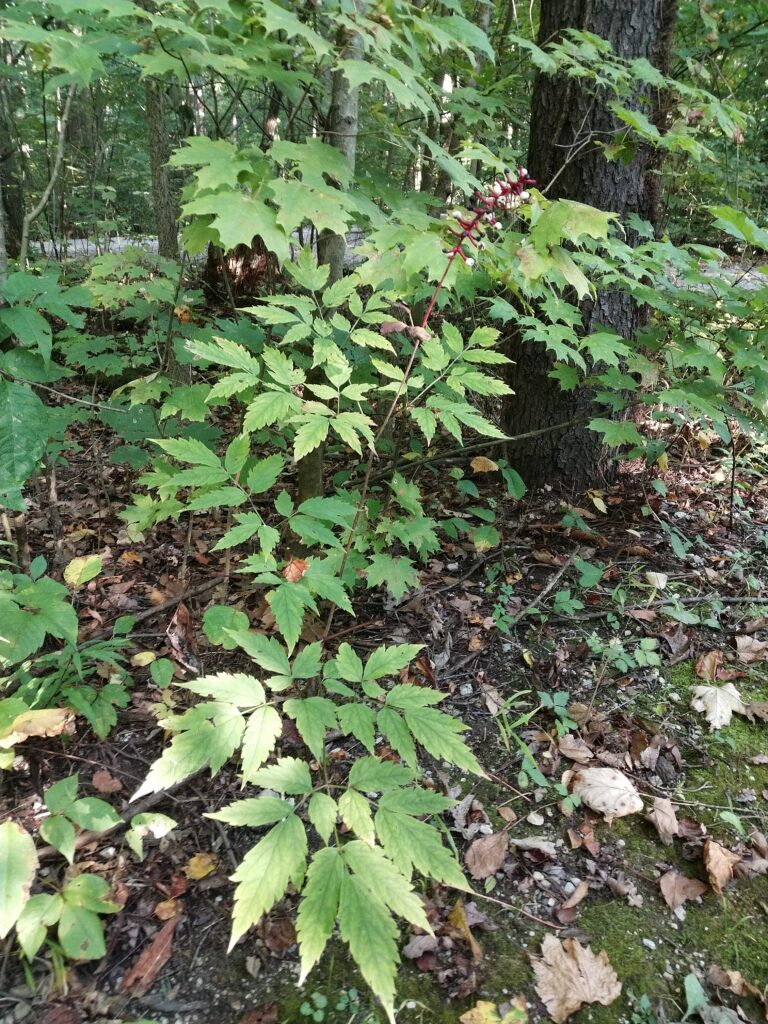
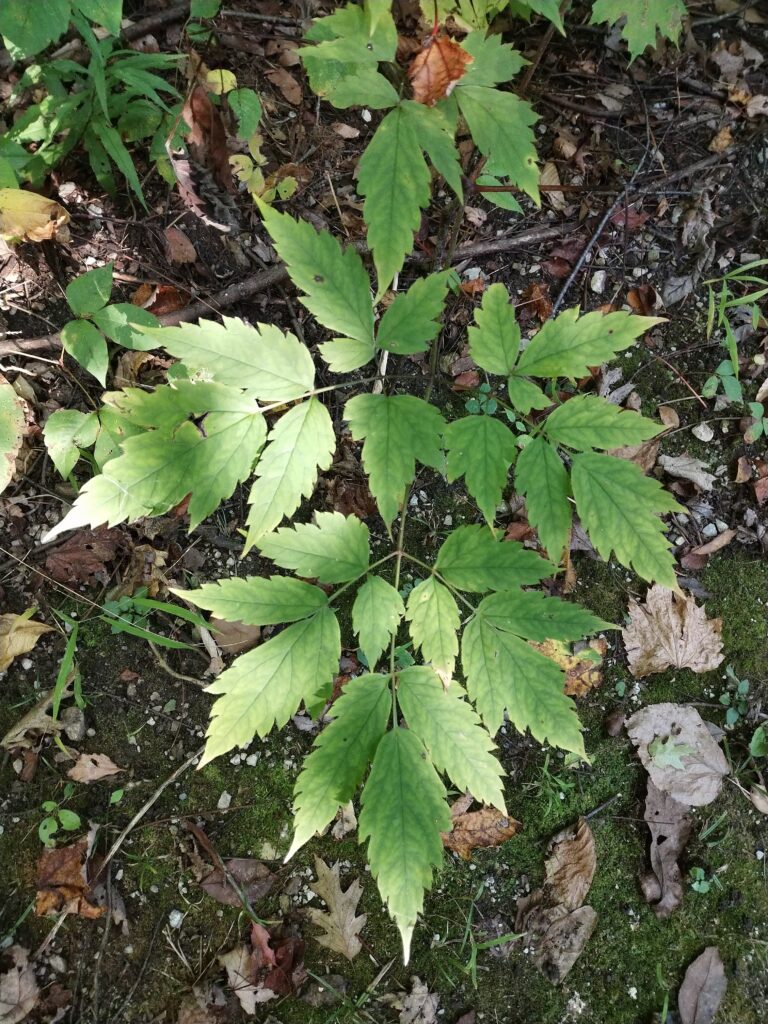
This plant stands 30–60 cm tall, with large, compound, sharply toothed leaves that add lush texture to the forest floor. In spring, it produces small white flowers held in an upright raceme.
But it’s the berries that steal the show.
The Famous “Doll’s‑eyes”
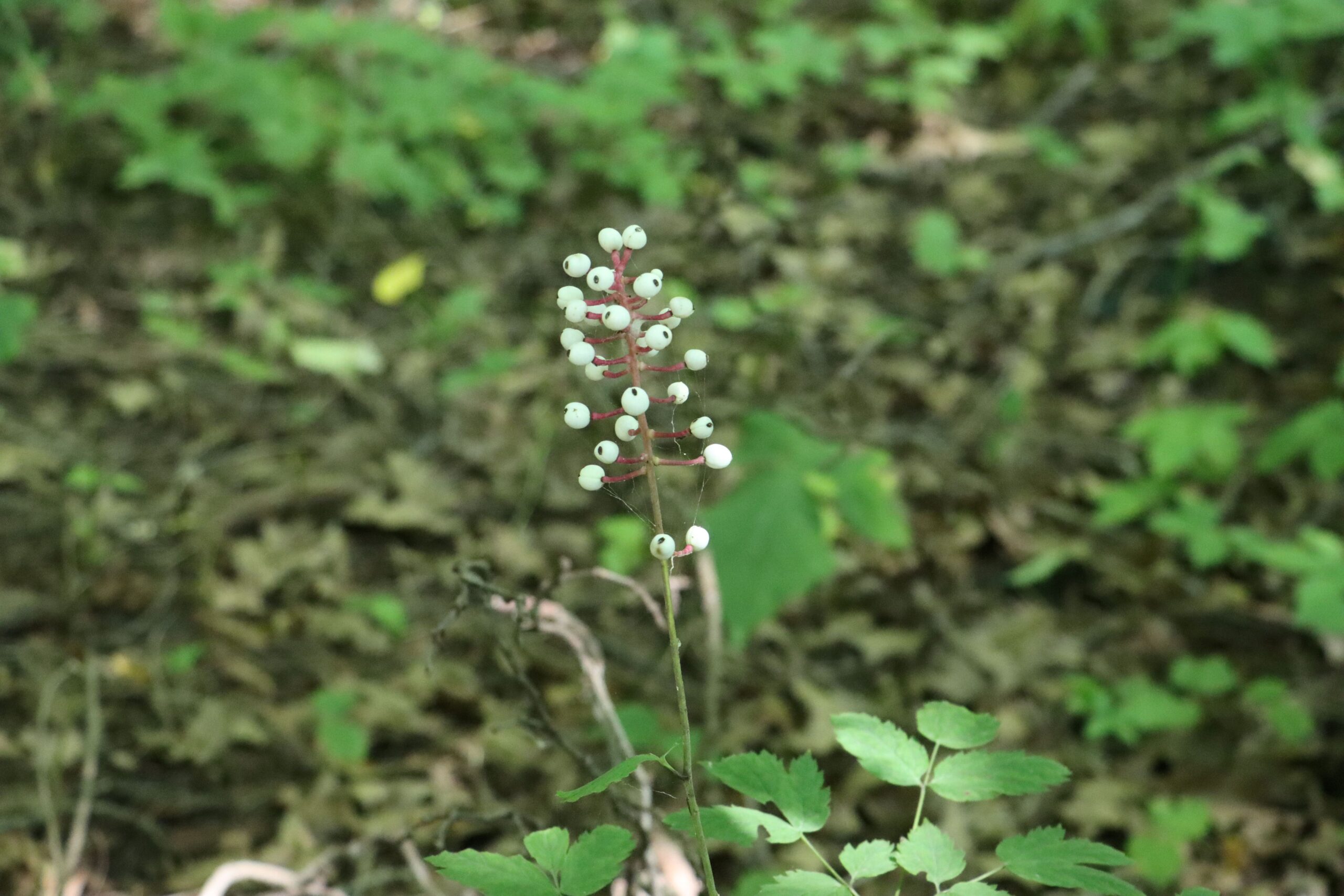
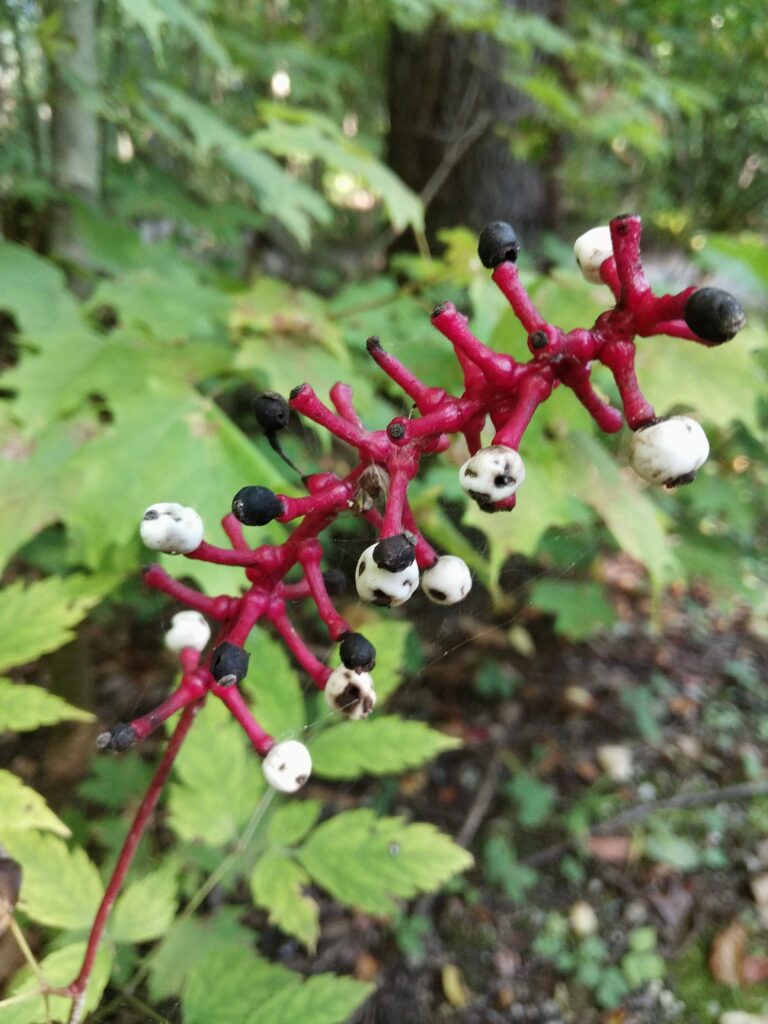
By summer, Actaea pachypoda forms clusters of white berries, each marked with a conspicuous black dot—the remains of the stigma. These fruits sit on thick, bright red stalks, making the plantz unmistakable and unlike anything else in Ontario’s woods.
This visual effect is both beautiful and slightly unsettling, which is why Doll’s‑eyes has become one of the most memorable woodland plants for hikers and naturalists.
Ecological Importance in Ontario’s Forests
Although this plant is toxic to humans, it plays an important ecological role.
Seed Dispersal by Birds
The berries are highly poisonous to humans, but birds can safely eat them. In doing so, they help spread seeds through the forest.
Support for Pollinators
In spring, the flowers offer pollen for long‑tongued bees, contributing to pollinator biodiversity even though the flowers produce no nectar.
Part of a Healthy Forest Understory
Actaea pachypoda is typically found in forests with:
- Sugar Maple
- Basswood
- and herb companions like False Solomon’s Seal, Zig‑zag Goldenrod, Bloodroot, and Wild Geranium.
These associations are indicators of rich, mature woodland soils.
Toxicity: Beautiful but Dangerous
Actaea pachypoda is visually stunning, but it is also highly toxic. The berries contain cardiac toxins that can cause severe illness or even death if ingested. Even small quantities—as few as 5 or 6 berries—are enough to be dangerous.
For that reason, gardeners should avoid planting it in areas accessible to children or pets.
Growing Actaea pachypoda in Cultivated Settings
For gardeners seeking native plants for shade gardens or woodland restorations, Actaea pachypoda can be a worthwhile—but specialized—addition.
It prefers:
- Part to full shade
- Rich, humus‑laden soil
- Moist but well‑drained conditions
Propagation from seed requires patience: seeds need alternating cold and warm periods (cold and warm stratification) and may take up to two years to germinate outdoors.
Why Actaea pachypoda Matters in Ontario
Actaea pachypoda is far more than a curious oddity in the forest. In Ontario, it is:
- A native species that signals healthy, undisturbed woodlands.
- A supporting player in forest ecology, aiding birds and pollinators.
- A striking visual symbol of the biodiversity lurking beneath the canopy.
For horticulturists, naturalists, and forest‑stewardship advocates, Doll’s‑eyes is a reminder of the delicate balance in our woodland ecosystems—and the importance of protecting these native habitats.
For more information reach out to matt@verdantlandscaping.ca or 905-299-9403