Plant Myths People Still Believe About Indoor Tropical Plants
Indoor tropical plants have never been more popular. From pothos and philodendrons to fiddle leaf figs and snake plants, houseplants are transforming homes and offices across Canada.
Unfortunately, along with their popularity comes a surprising amount of misinformation. Many people avoid owning plants or struggle with plant care because they’re following advice that simply isn’t true.
Let’s separate fact from fiction and debunk some of the most common indoor plant myths that people still believe.
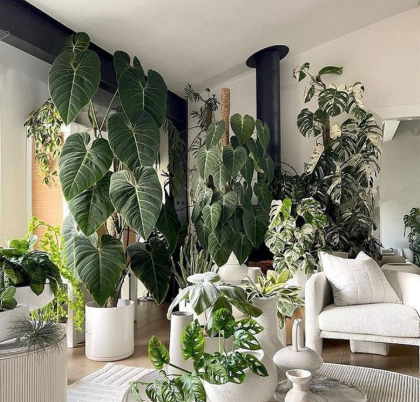
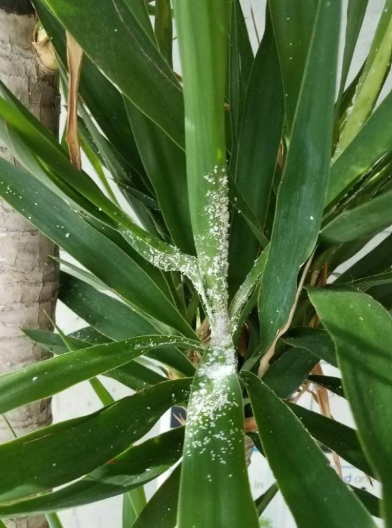
Myth #1: Houseplants Bring Bugs Into Your Home
This is perhaps the most common concern I hear from potential plant clients.
The truth is that healthy indoor plants don’t magically attract insects. Most pest issues begin when a plant is purchased with an existing infestation or when poor growing conditions weaken the plant. Overwatering, excessive humidity, and neglected foliage are usually the real culprits.
A healthy, properly maintained tropical plant is no more likely to attract pests than any other item in your home.
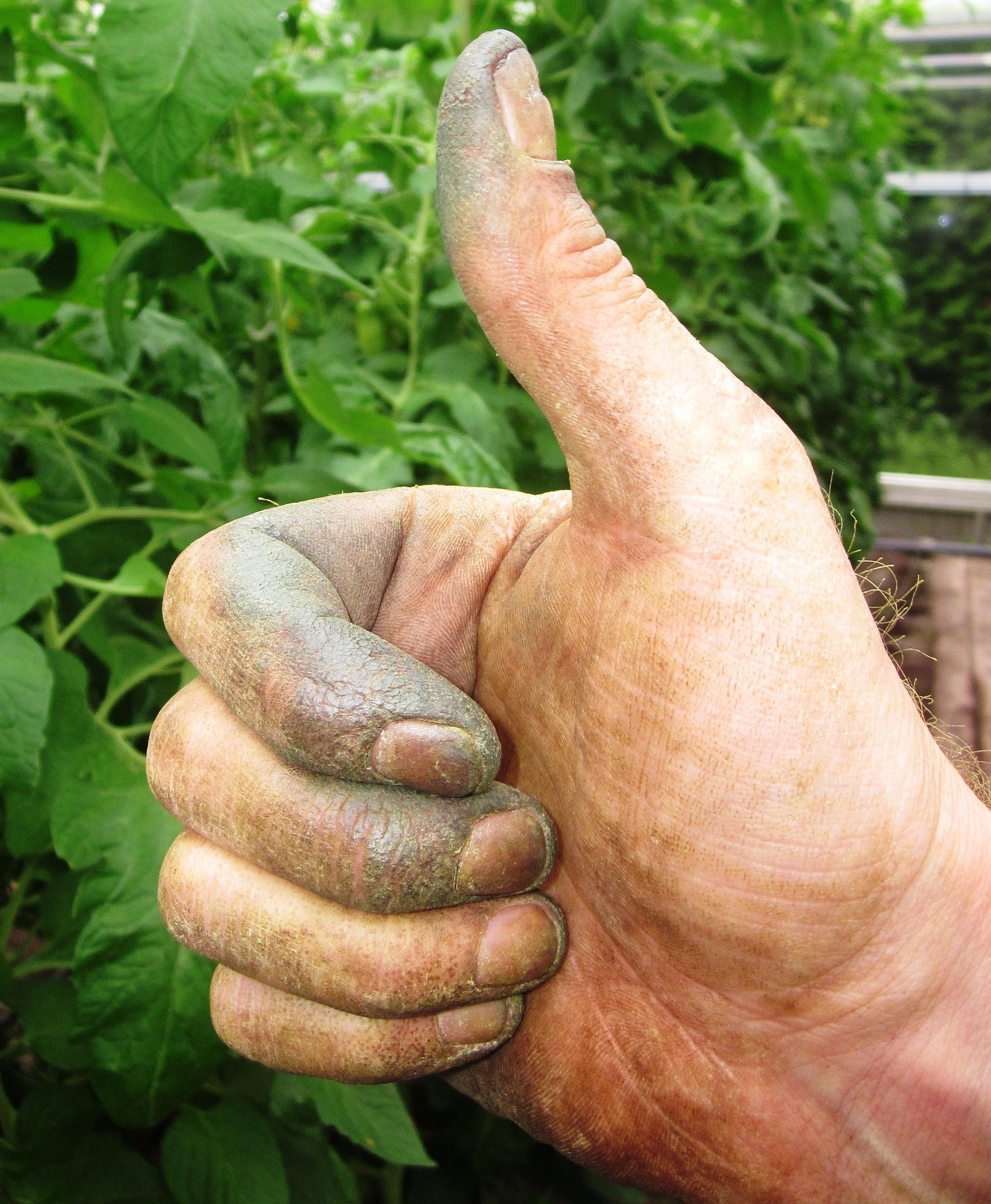
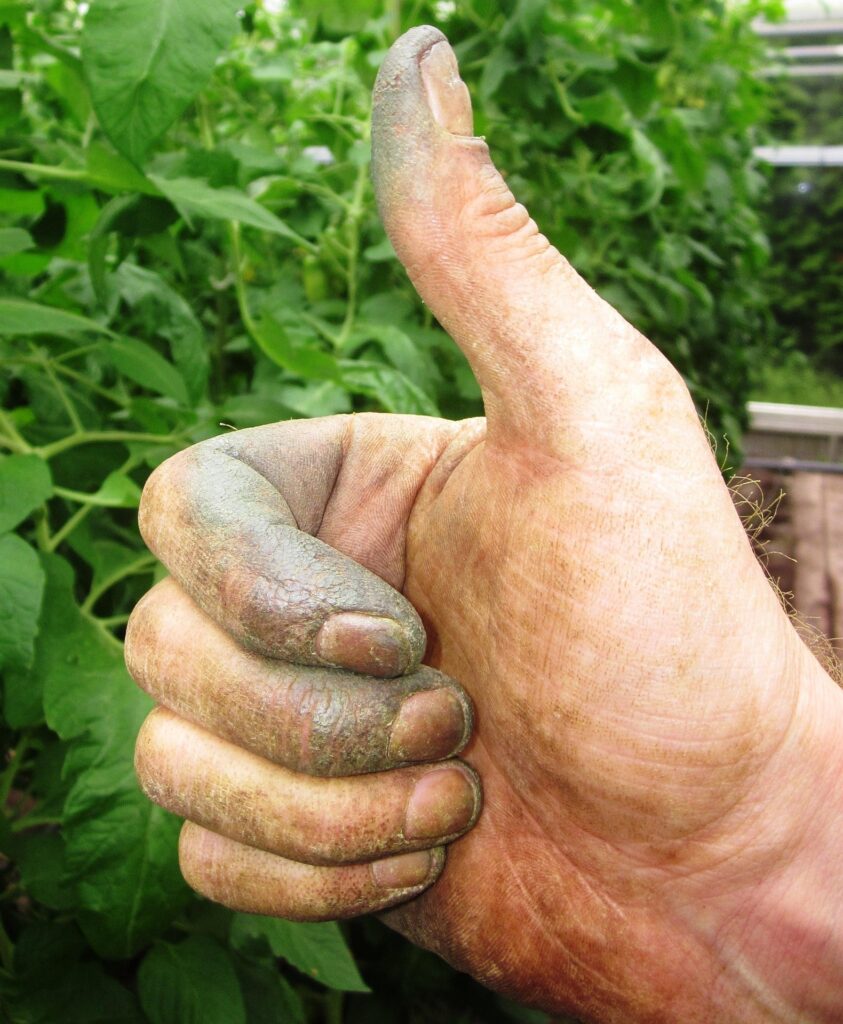
Myth #2: You Need a Green Thumb to Grow Houseplants
Many people believe some individuals are simply born with a natural ability to grow plants.
The reality is that successful plant owners learn through experience. Understanding light, watering, and basic plant care makes far more difference than any special talent.
Most experienced plant enthusiasts will admit they’ve lost a few plants while learning. Plant care is a skill, not a gift.
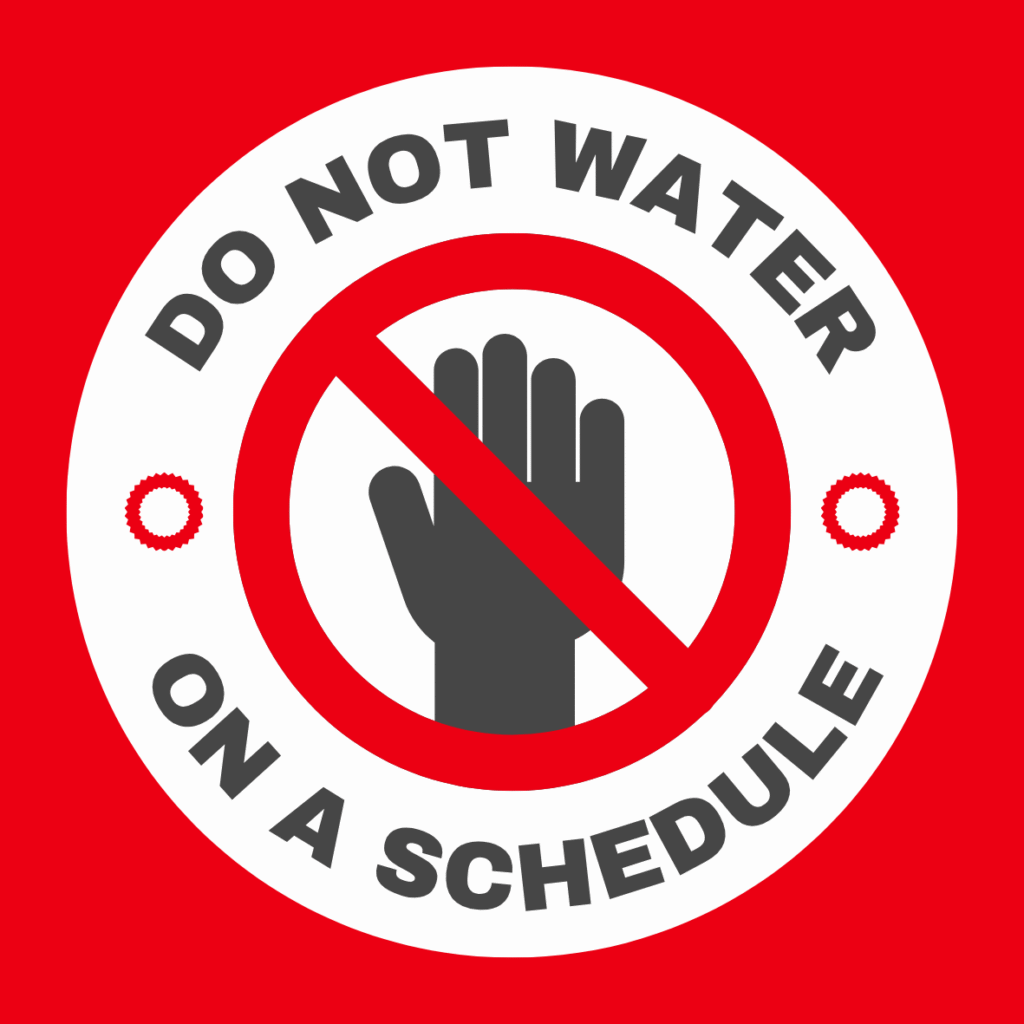
Myth #3: Indoor Plants Need Water on a Set Schedule
One of the quickest ways to kill a tropical plant is to water it every Saturday because your calendar says so.
Plants don’t own calendars. Plants can’t read even if they owned a calendar…..
Temperature, humidity, light levels, pot size, and season all affect how quickly soil dries out. A plant may need water every five days in summer and every two weeks during winter.
Checking the soil is always more reliable than following a rigid schedule.
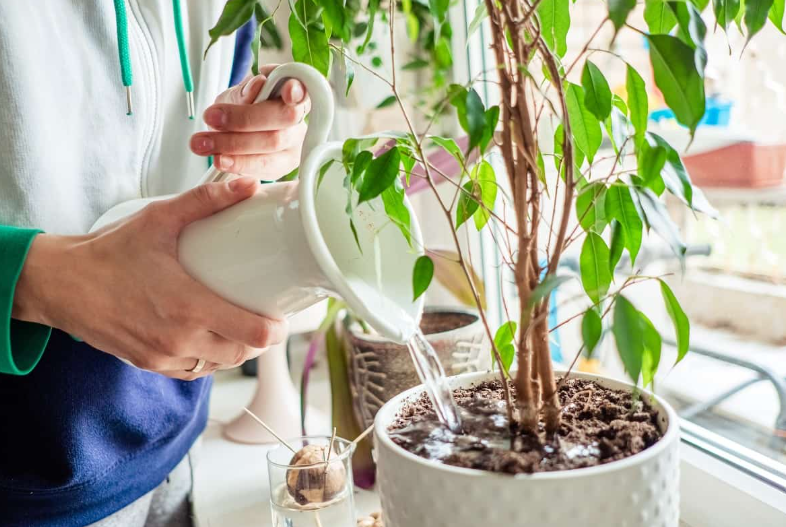
Myth #4: More Water Means Healthier Plants
Many houseplants die from kindness.
When leaves begin looking tired, owners often respond by adding more water. Unfortunately, excessive watering can suffocate roots and create ideal conditions for root rot.
Most tropical plants prefer soil that partially dries between waterings. Knowing when not to water is often more important than knowing when to water.
Myth #5: Any Window Is Good for a Tropical Plant
Many people place a plant wherever there happens to be room.
The problem? Plants care more about light than furniture placement.
A tropical plant positioned ten feet from a bright window may actually be receiving less than 10 percent of the light available near the glass. Understanding light requirements is one of the most important aspects of successful indoor plant care.
When a plant struggles, insufficient light is often the hidden culprit.
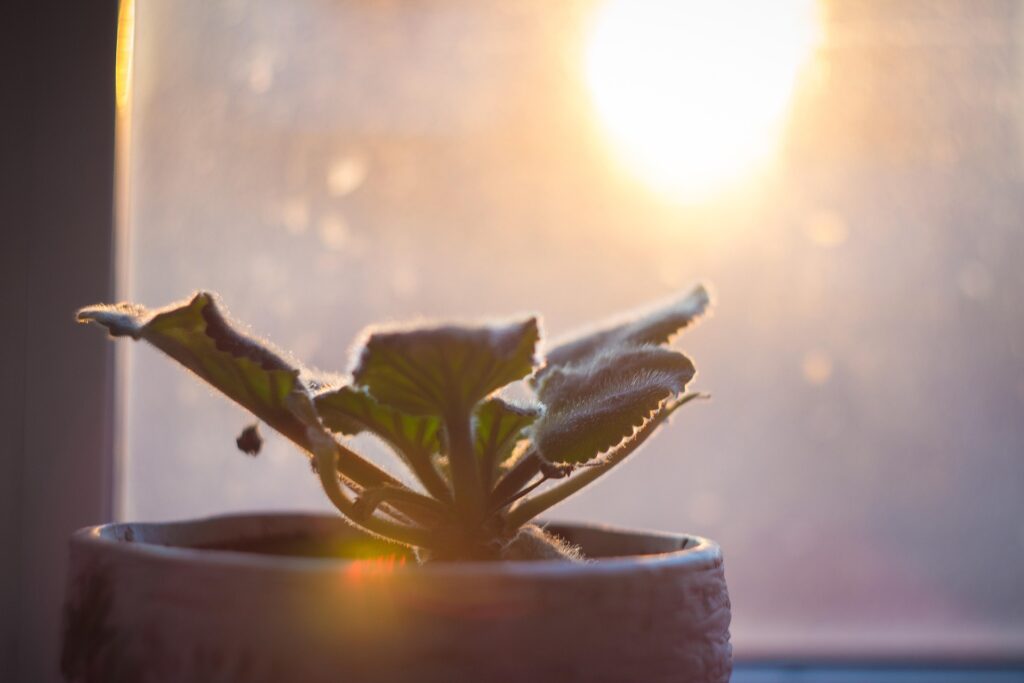
Myth #6: All Tropical Plants Need Direct Sunlight
This myth causes just as many problems as low light.
Many tropical plants originate from the understory of rainforests, where they receive filtered or indirect light beneath the forest canopy. Direct afternoon sun can actually scorch the leaves of species such as pothos, peace lilies, and many philodendrons.
Bright indirect light is the sweet spot for many popular houseplants.
Myth #7: Indoor Plants Purify Your Entire Home’s Air
This popular belief originated from studies showing that plants can remove certain airborne compounds under controlled conditions.
While houseplants can contribute to a healthier and more pleasant indoor environment, a few plants on a windowsill won’t replace proper ventilation or air filtration.
That said, indoor plants still provide significant benefits by enhancing aesthetics, reducing stress, and creating a connection to nature.
Myth #8: Bigger Pots Help Plants Grow Faster
When people buy a new tropical plant, they often assume it should immediately be placed in a much larger container.
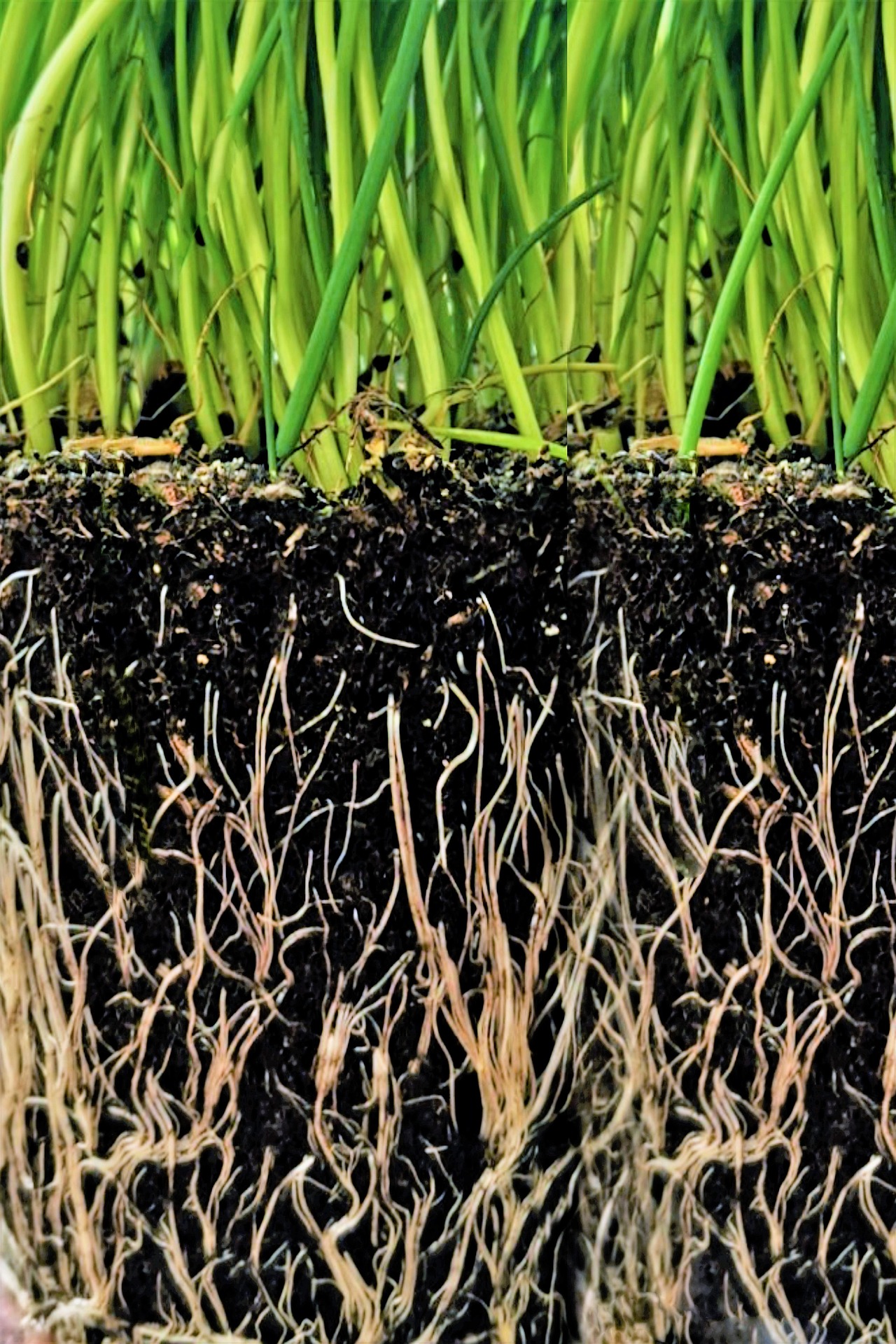
Unfortunately, oversized pots hold excess moisture and often lead to root problems. Most tropical plants perform best when moved up gradually into slightly larger containers as they grow.
The goal is matching the pot size to the root system, not maximizing soil volume.
Myth #9: Brown Leaf Tips Mean the Plant Needs More Water
Brown tips can result from many different factors, including low humidity, inconsistent watering, fluoride sensitivity, excess fertilizer, or environmental stress.
Simply adding more water often makes the problem worse.
Before reaching for the watering can, consider the plant’s overall growing conditions and recent care routine.
Myth #10: Tropical Plants Are High Maintenance
Many people love the look of indoor plants but assume they require constant attention.
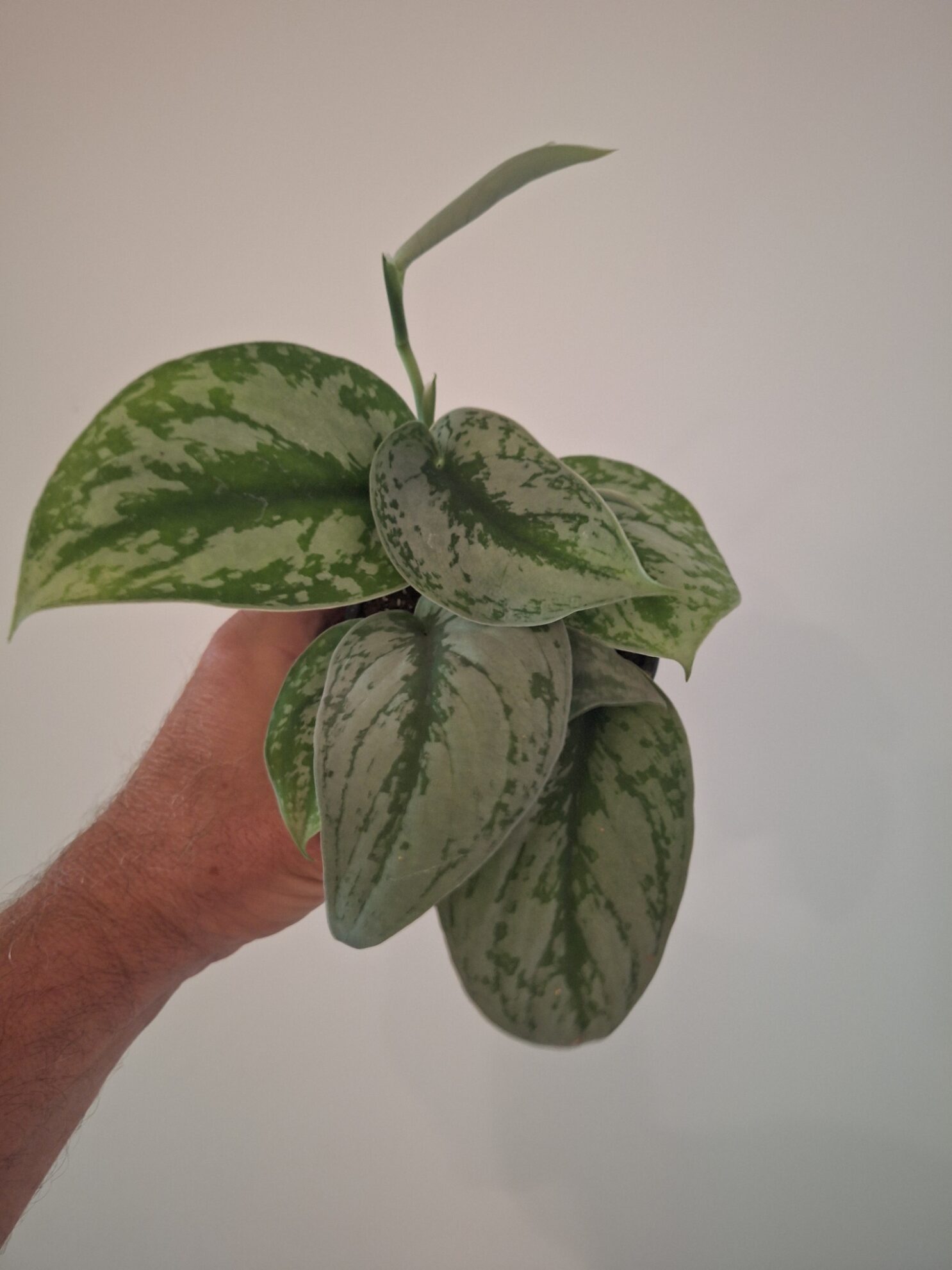
In reality, some of the toughest and most forgiving plants available are tropical species. Snake plants, ZZ plants, pothos, heartleaf philodendrons, and cast iron plants can thrive with relatively little care.
For busy homeowners and office environments, tropical plants are often among the easiest decorative features to maintain.
The Bottom Line
Indoor tropical plants aren’t difficult, mysterious, or reserved for people with a so-called green thumb. Most houseplant failures can be traced back to a handful of common myths that continue to circulate online and through word of mouth.
Understanding the basics of light, watering, and plant placement will do far more for your success than any trendy plant hack. The more you learn to observe your plants, the more confident you’ll become, and the more rewarding indoor gardening can be.
Healthy plants don’t need magic. They simply need the right care.