Geranium maculatum: A Low-Maintenance Native Plant for Shaded Landscapes
When gardeners think of geraniums, they often picture the colourful annuals found in containers and hanging baskets. However, Geranium maculatum, commonly known as Wild Geranium or Wild Cranesbill, is a completely different plant. This hardy native perennial is prized for its delicate pink-purple flowers, attractive foliage, and ability to thrive in woodland and partially shaded landscapes.
As interest in native plants and pollinator-friendly gardening continues to grow, Wild Geranium has become an increasingly popular choice for homeowners, landscape designers, and ecological restoration projects…… And US!
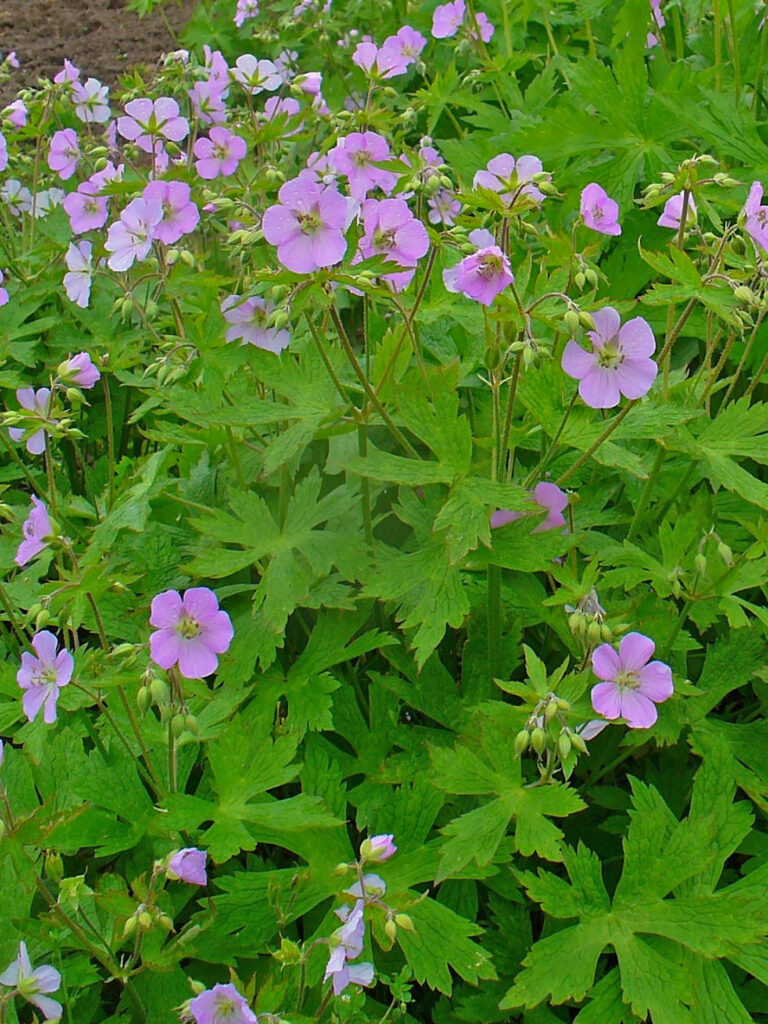
Origins of Geranium maculatum
Geranium maculatum is native to eastern North America, where it naturally occurs in woodlands, forest edges, meadows, and shaded clearings. Its native range extends from southeastern Canada through much of the eastern United States.
The common name**”Cranesbill”** comes from its distinctive seed pod, which resembles the long beak of a crane. Indigenous peoples historically used various parts of the plant for medicinal purposes, and it remains an important component of native plant communities today.
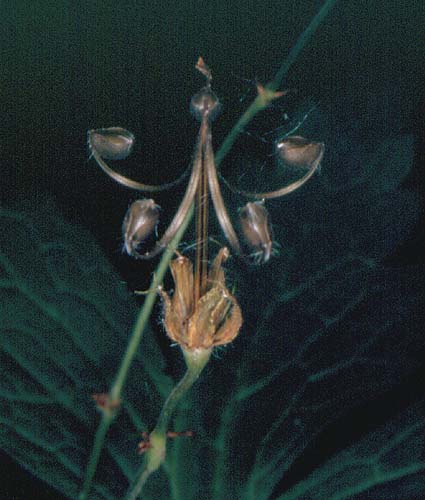
Why Wild Geranium Makes an Excellent Landscape Plant
Thrives in Shade
One of the biggest advantages of Geranium maculatum is its ability to grow in areas where many flowering perennials struggle.
It performs well in:
- Woodland gardens
- Partial shade
- Dappled sunlight
- Under mature trees
- Naturalized landscapes
This makes it a valuable solution for difficult shaded areas of the garden.
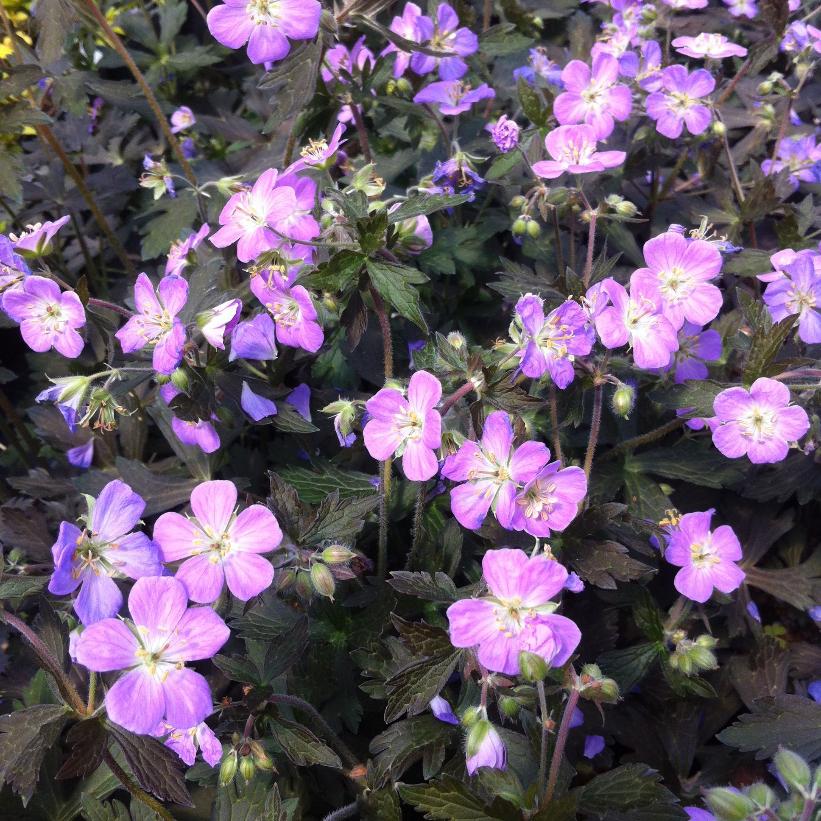
Attractive Flowers
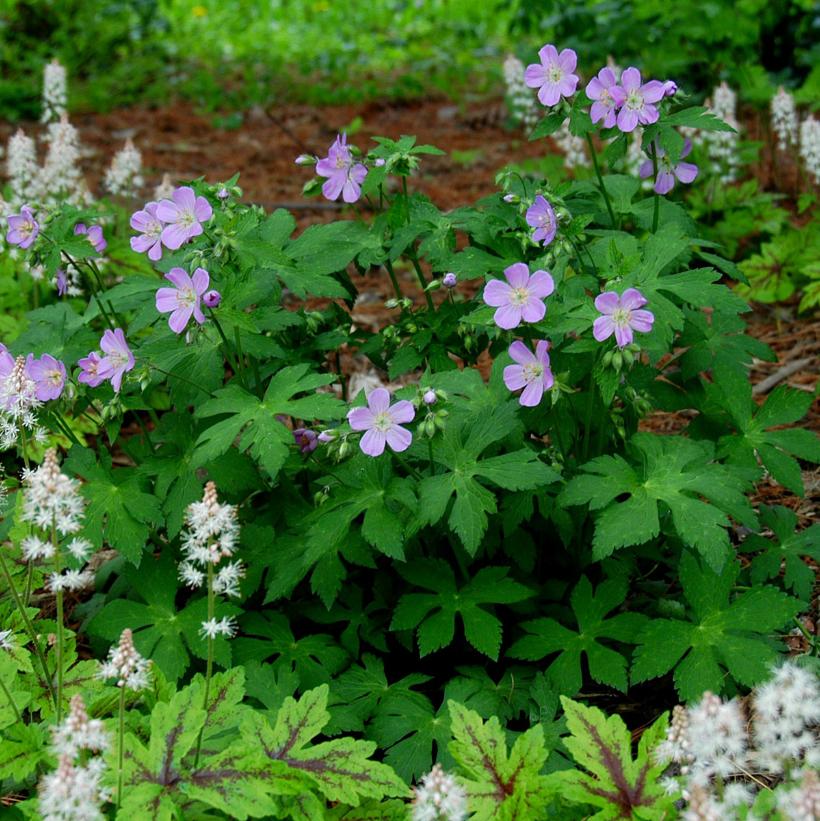
In late spring and early summer, Wild Geranium produces delicate five-petaled flowers in shades of pink, lavender, and purple. The blooms appear above attractive mounds of deeply lobed foliage.
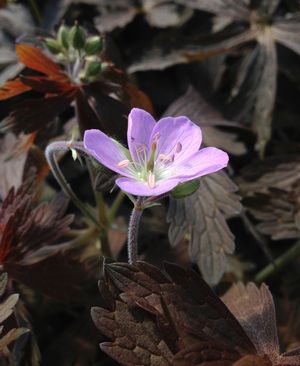
Pollinator Friendly
The flowers provide nectar and pollen for:
- Native bees
- Bumblebees
- Butterflies
- Other beneficial insects
As a native species, it plays an important role in supporting local ecosystems.
Attractive Foliage
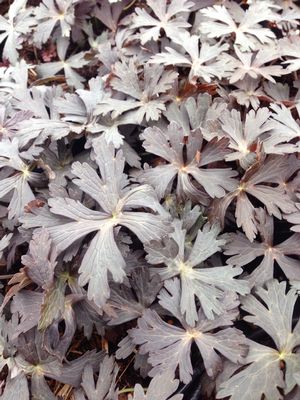
Even after flowering has finished, the deeply cut, palmate leaves continue to provide texture and interest in the garden. In autumn, foliage may develop attractive bronze, reddish, or golden tones.
Landscape Uses
Wild Geranium is highly versatile and works beautifully in:
Woodland Gardens
Its natural habitat makes it an ideal choice for woodland-style plantings.
Pollinator Gardens
The flowers attract valuable pollinators during the spring season.
Native Plant Gardens
Because it is indigenous to North America, it fits naturally into native plant designs and restoration projects.
Groundcover Plantings
Wild Geranium forms tidy clumps that gradually expand without becoming invasive, making it useful as a low-maintenance groundcover.
Understory Plantings
It works particularly well beneath deciduous trees and large shrubs where many sun-loving perennials would fail.
How to Care for Geranium maculatum
Sunlight
Wild Geranium performs best in:
- Partial shade
- Dappled sunlight
- Morning sun with afternoon shade
It can tolerate more sun if adequate soil moisture is available.
Soil Requirements
The plant prefers:
- Moist but well-drained soils
- Rich organic matter
- Woodland-like conditions
- Humus-rich soil
Adding compost or leaf mould helps replicate its natural environment.
Watering
New plants should be watered regularly during establishment.
Once established, Wild Geranium is relatively low maintenance but performs best when the soil remains evenly moist, particularly during dry periods.
Fertilizing
Most established plants require little fertilization.
A light application of compost or a balanced slow-release fertilizer in spring is typically sufficient.
Pruning and Maintenance
Wild Geranium requires very little maintenance.
After flowering:
- Remove spent flower stems if desired.
- Trim untidy foliage later in the season.
- Cut back dead foliage in late fall or early spring.
Plants may slowly self-seed or spread through short rhizomes, creating attractive colonies over time.
Common Pests and Diseases
One reason Wild Geranium is popular among gardeners is its relative freedom from serious pest problems.
Potential issues may include:
Aphids
Occasionally found on new growth but rarely cause significant damage.
Slugs and Snails
Young foliage may be nibbled in moist, shady locations.
Powdery Mildew
Can occasionally occur in crowded plantings with poor air circulation.
Leaf Spot Diseases
Generally minor and rarely threaten plant health.
Fortunately, serious pest or disease problems are uncommon when plants are grown in suitable conditions.
Why We Love Wild Geranium
✅ Native to North America
✅ Beautiful spring flowers
✅ Pollinator friendly
✅ Shade tolerant
✅ Deer resistant
✅ Low maintenance
✅ Attractive foliage
✅ Excellent woodland groundcover
✅ Long-lived perennial
These qualities make it one of the most dependable native perennials for Ontario landscapes.
Conclusion
Geranium maculatum is an outstanding choice for gardeners seeking a native, shade-tolerant perennial that combines beauty, ecological benefits, and easy care. Its charming spring flowers, attractive foliage, pollinator value, and adaptability make it an excellent addition to woodland gardens, naturalized landscapes, and native plantings throughout Ontario and much of North America.