Cornus Florida and Cornus Kousa: The Dynamic Dogwood Duo for Your Ontario Garden
If you’re looking to add some pizzazz to your Ontario garden, look no further than the dynamic duo of Cornus florida (Eastern Flowering Dogwood) and Cornus kousa (Kousa Dogwood). These two stunning trees are not only beautiful but also relatively easy to care for, despite what some might think. So, let’s dive into the world of dogwoods, explore their origins, and learn how to keep them happy and healthy in your Ontario garden!
Meet the Stars: Cornus Florida and Cornus Kousa
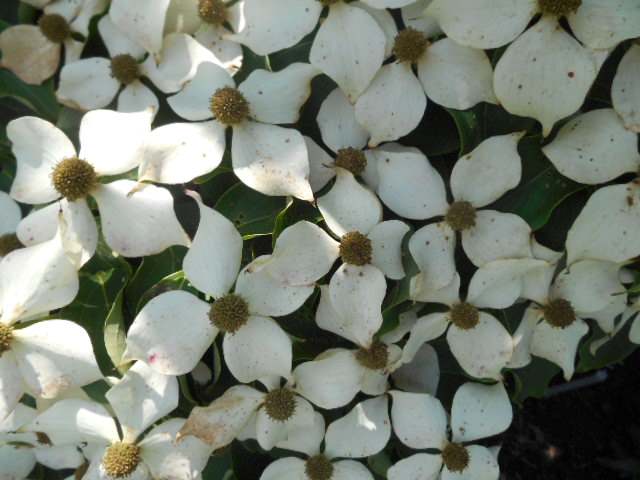
First, let’s get to know our stars. Cornus florida, also known as the Eastern Flowering Dogwood, is native to the eastern United States and parts of Canada. This tree is famous for its showy white or pink bracts (which look like petals but are actually modified leaves) that surround small, inconspicuous flowers. In the fall, it produces bright red berries that are a hit with local wildlife.
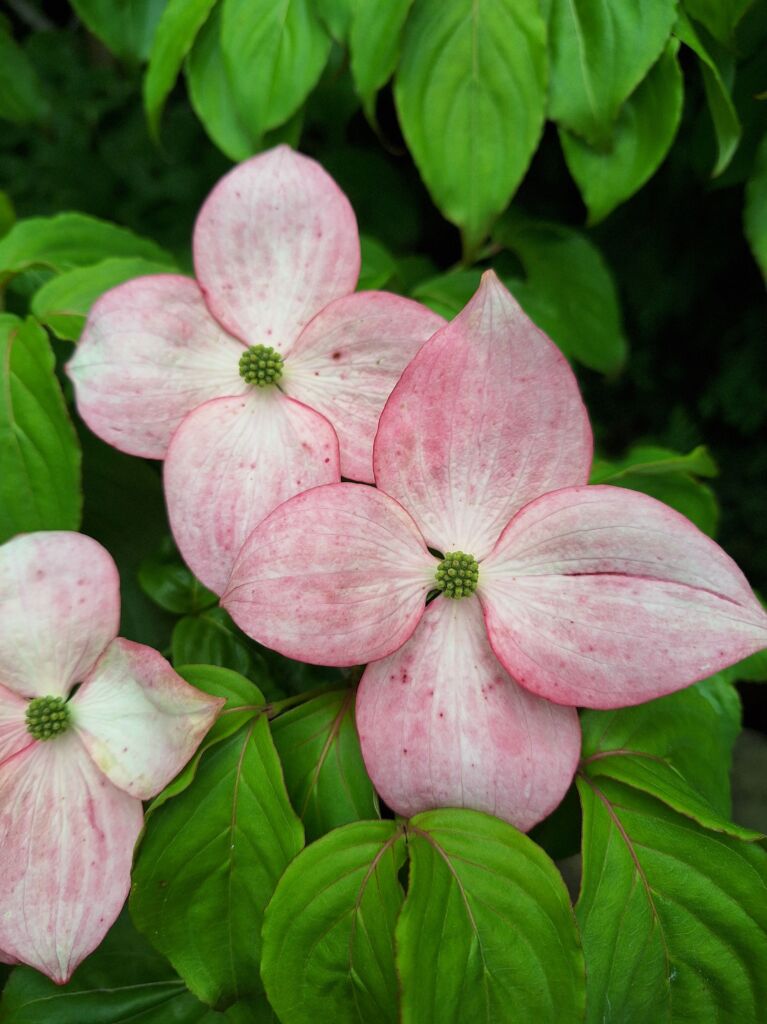
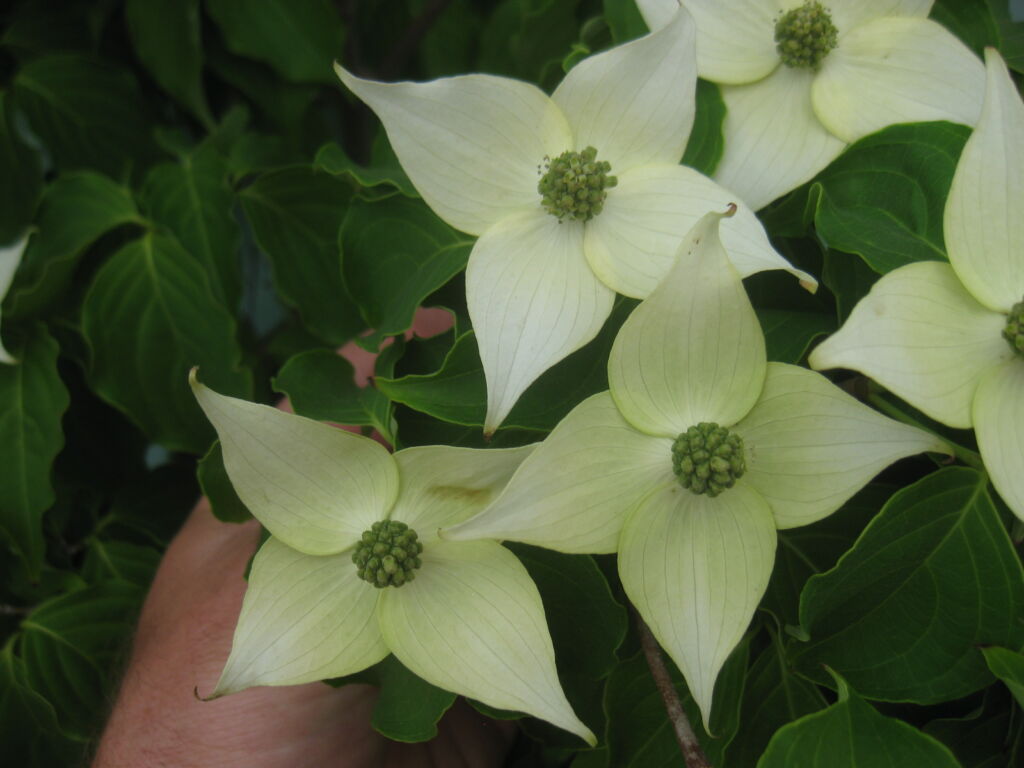
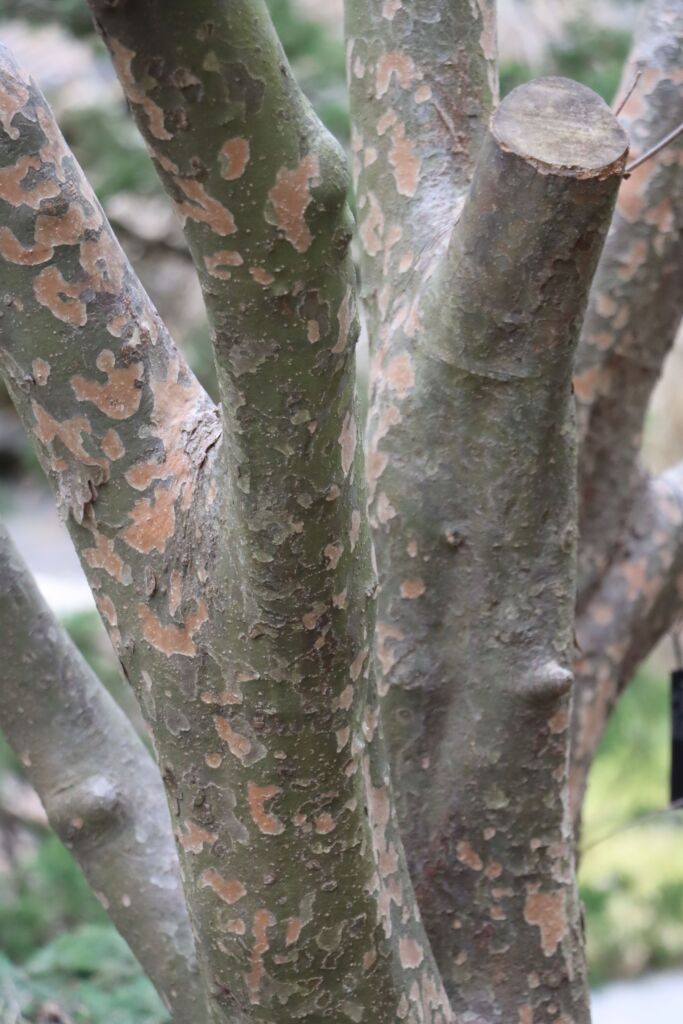
Cornus kousa, on the other hand, hails from East Asia, including China, Korea, and Japan. This tree also boasts beautiful bracts, but they tend to be more pointed and can range from white to pink. The Kousa Dogwood is known for its unique, raspberry-like fruit that appears in late summer and its striking exfoliating bark, which adds winter interest to your garden.
Myth-Busting: Dogwoods Are Not Divas
Many people believe that dogwoods are difficult to grow, but that’s simply not true. With a little knowledge and some basic care, you can enjoy these stunning trees in your Ontario garden without breaking a sweat. Let’s break down the care requirements for both Cornus florida and Cornus kousa.
Light: Bright but Not Blinding
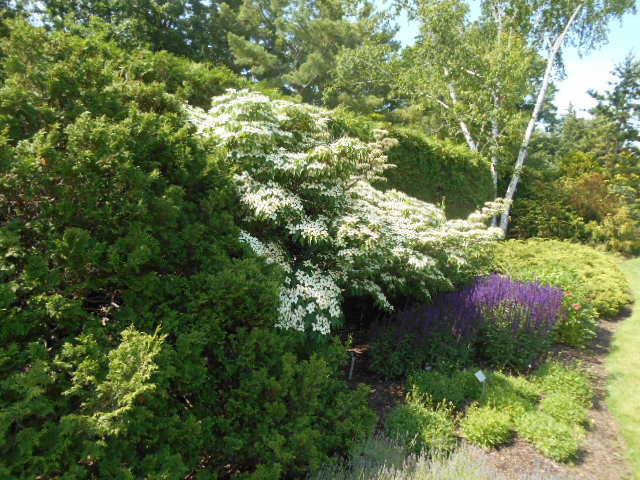
Both Cornus florida and Cornus kousa prefer a spot with partial shade to full sun. Think of them as the Goldilocks of the plant world—they don’t want too much sun, but they don’t want too little either. A location with morning sun and afternoon shade is ideal. If you plant them in full sun, make sure they get plenty of water, especially during hot, dry periods.
Soil: Rich and Well-Drained
Dogwoods love rich, well-drained soil. They prefer slightly acidic soil, so if your garden soil is on the alkaline side, consider adding some organic matter like compost or peat moss to lower the pH. Good drainage is essential, as dogwoods don’t like to sit in soggy soil. If your garden has heavy clay soil, consider planting your dogwood on a slight mound to improve drainage.
Watering: Keep It Consistent
Consistent moisture is key to keeping your dogwoods happy. Water them deeply once a week, especially during dry spells. Newly planted dogwoods will need more frequent watering until they establish a strong root system. Mulching around the base of the tree can help retain moisture and keep the roots cool.
Fertilizing: Less Is More
Dogwoods aren’t heavy feeders, so you don’t need to go overboard with fertilizer. A slow-release, balanced fertilizer applied in early spring is usually sufficient. Too much fertilizer can lead to excessive leaf growth at the expense of flowers, so it’s best to err on the side of caution.
Pruning: Keep It Light
Pruning dogwoods is a bit like giving them a gentle haircut—just a little trim to keep them looking their best. Prune your dogwood in late winter or early spring before new growth begins. Remove any dead, damaged, or diseased branches, and thin out any crowded areas to improve air circulation. Avoid heavy pruning, as this can stress the tree and reduce flowering.
Pests and Diseases: Stay Vigilant
While dogwoods are generally hardy, they can be susceptible to a few pests and diseases. Keep an eye out for common issues like dogwood anthracnose, powdery mildew, and borers. Good garden hygiene, such as cleaning up fallen leaves and debris, can help prevent disease. If you notice any signs of trouble, treat your tree promptly with appropriate fungicides or insecticides – or call in an expert like us.
Fun Facts and Final Thoughts
Before we wrap up, here are a few fun facts about Cornus florida and Cornus kousa that you can impress your friends with at your next garden party:
- The name “dogwood” comes from the Old English word “dagwood,” referring to the tree’s hard wood, which was used to make “dags” or skewers.
Cornus florida is the state tree of Missouri and Virginia, and the state flower of North Carolina.
The fruit of Cornus kousa is edible and can be used to make jams and jellies. - Just be sure to remove the seeds, as they can be a bit gritty.
Cornus florida and Cornus kousa are fantastic additions to any Ontario garden. With their stunning flowers, attractive foliage, and relatively low-maintenance care requirements, these dogwoods are sure to bring joy and beauty to your outdoor space. So go ahead, plant a dogwood (or two), and enjoy the show!
Happy gardening! 🌸🌳
As always, connect with us for more information!