When gardeners think of dogwoods, flowering dogwood often comes to mind first. However, Cornus alternifolia, commonly known as Pagoda Dogwood, is equally deserving of attention. This graceful native species is prized for its unique architectural form, adaptability, and exceptional four-season interest.
Whether planted as a specimen tree, woodland accent, or part of a native landscape design, Pagoda Dogwood offers beauty, ecological value, and year-round appeal.
Origins and Native Habitat
Pagoda Dogwood is native to eastern North America, including much of eastern Canada and the northeastern United States. In Ontario, it is commonly found growing naturally along woodland edges, forest understories, ravines, stream banks, and moist slopes.
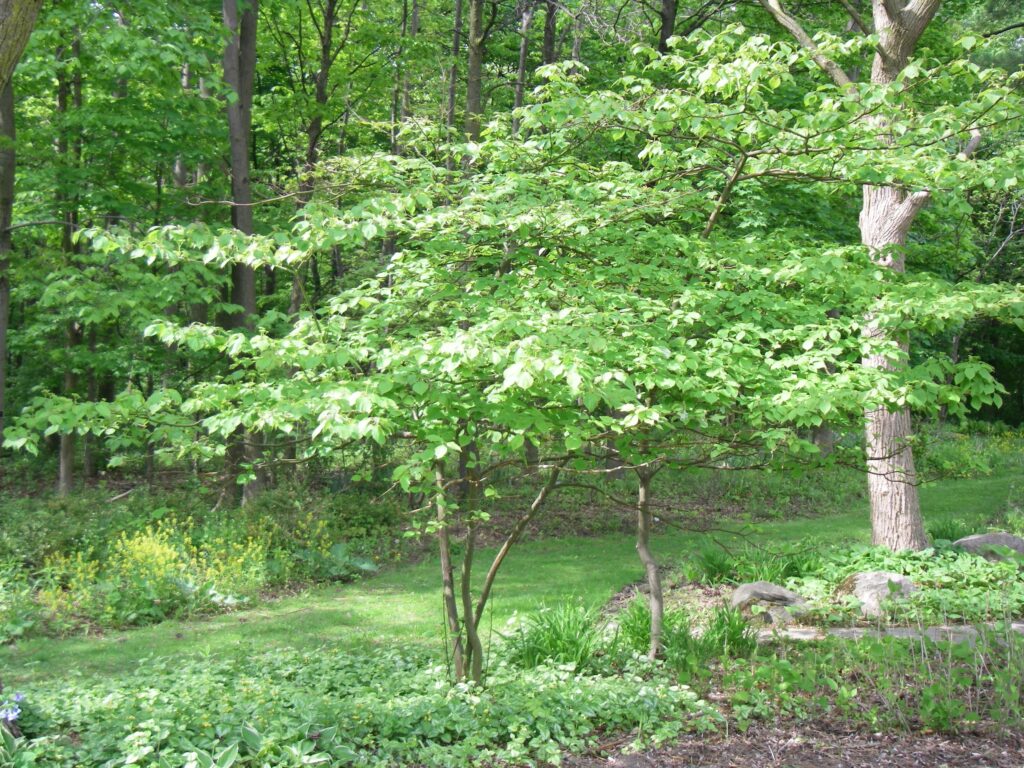
Unlike many dogwood species that grow as shrubs, Cornus alternifolia develops into a small tree or large shrub, typically reaching 4 to 8 metres (13 to 26 feet) in height. It thrives in the dappled light of forest environments, where its distinctive horizontal branching habit creates a layered appearance that resembles the roofs of traditional Asian pagodas—hence its common name.
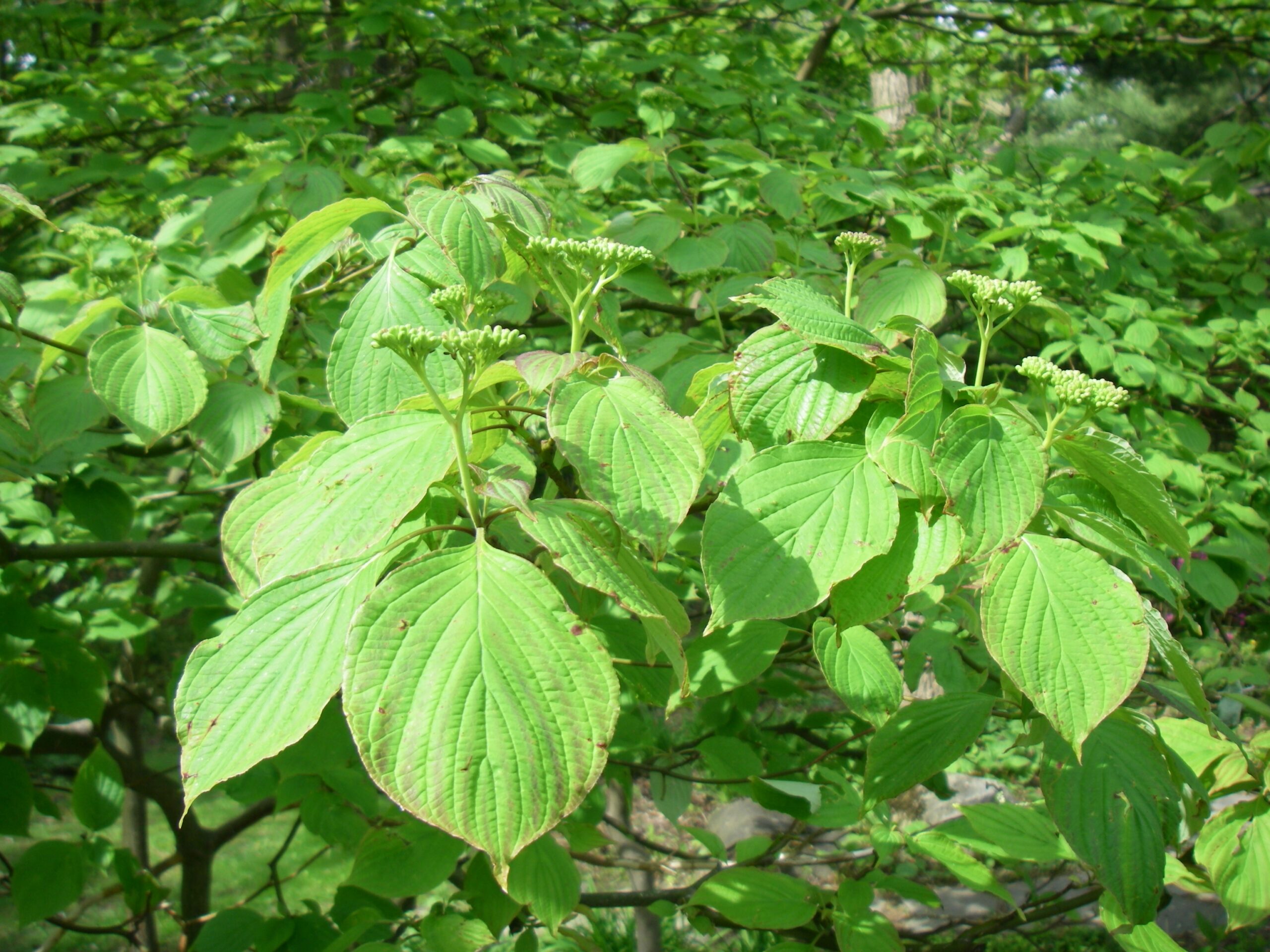
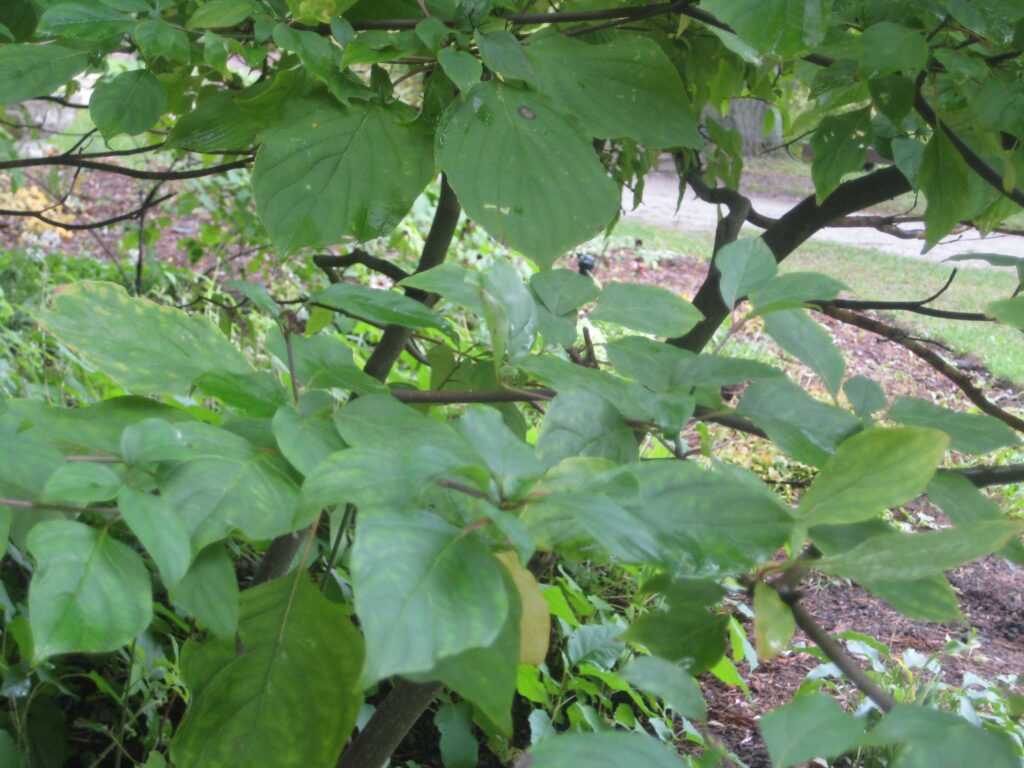
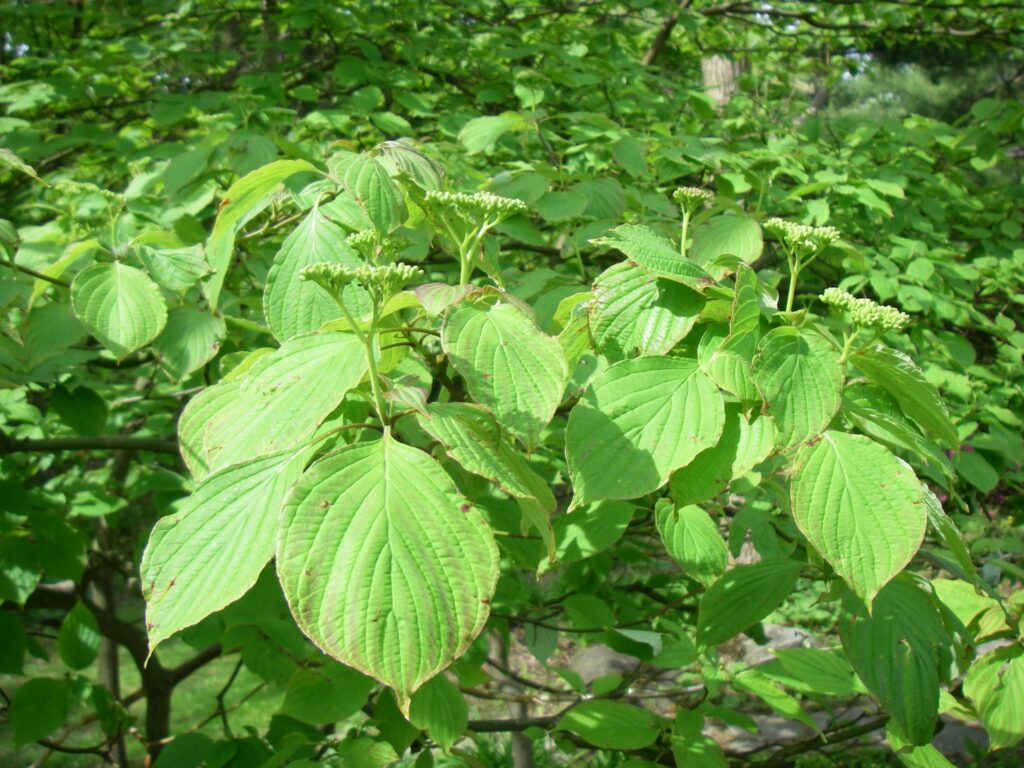
One of its most unique characteristics is its alternate leaf arrangement. Most dogwoods have opposite leaves, but Pagoda Dogwood is one of the few exceptions, making it easy to identify.
Landscape Uses
A Stunning Specimen Tree
Pagoda Dogwood is prized for its strong architectural form. The layered, horizontal branches create a striking silhouette that stands out in both formal and naturalistic landscapes.
Woodland Gardens
Its natural habitat makes it an ideal choice for woodland gardens. It pairs beautifully with native ferns, Foamflower (Tiarella cordifolia), Wild Ginger, Trilliums, and other shade-loving perennials.
Pollinator and Wildlife Gardens
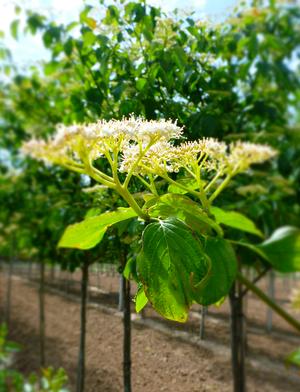
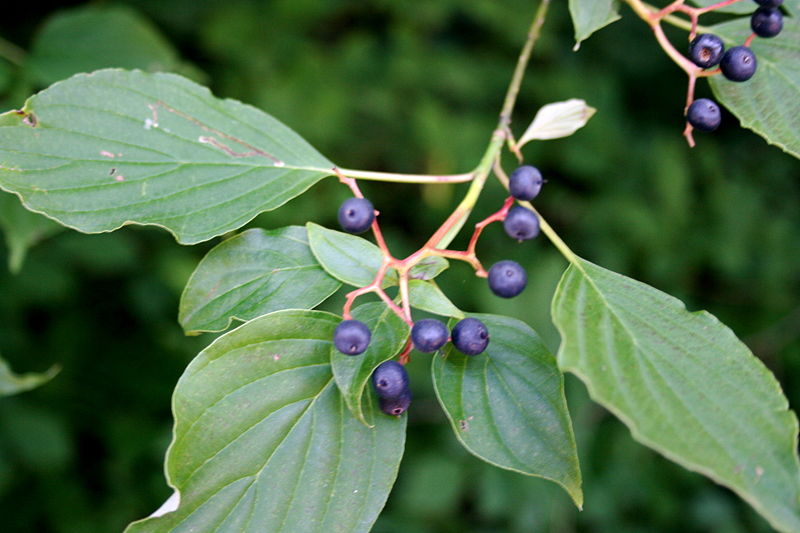
In late spring, clusters of creamy-white flowers attract a wide range of pollinators. By summer, the flowers are replaced with attractive blue-black berries borne on red stems.
The fruit is highly valued by:
- Songbirds
- Cedar waxwings
- Robins
- Thrushes
- Other wildlife species
As a result, Pagoda Dogwood is an excellent addition to biodiversity-focused landscapes.
Four-Season Interest
Very few native trees offer such a complete package of ornamental features:
Spring: Creamy-white flower clusters.
Summer: Attractive layered branching and ornamental berries.
Fall: Brilliant shades of burgundy, reddish-purple, and maroon foliage.
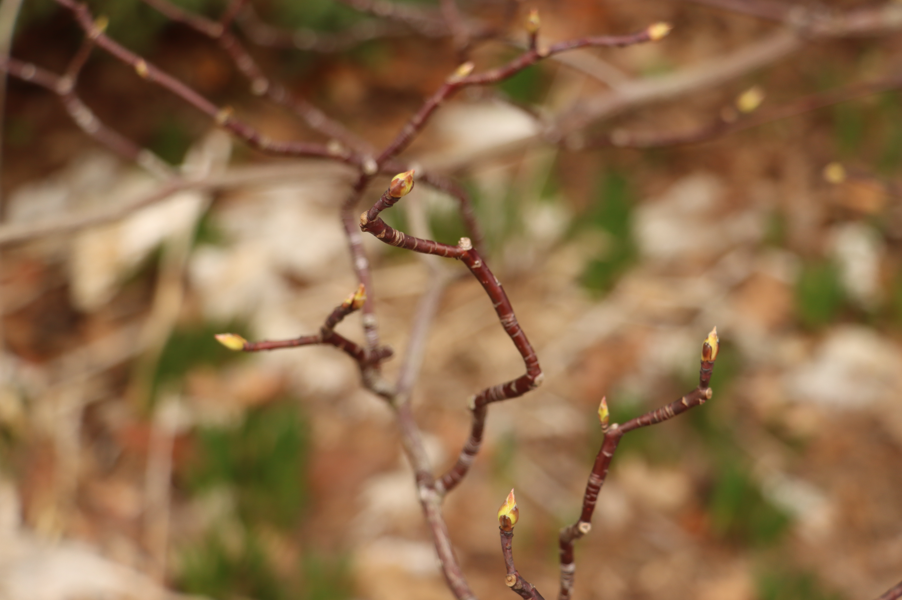
Winter: Elegant branch structure and attractive bark provide visual interest after leaves have fallen.
How to Care for Pagoda Dogwood
Light Requirements
Pagoda Dogwood performs best in:
- Partial shade
- Filtered woodland light
- Morning sun with afternoon shade
In cooler climates, it can tolerate more sun if adequate moisture is available. Excessive heat and drought stress can reduce vigor.
Soil Preferences
For optimal growth, provide:
- Moist, well-drained soil
- Organic-rich soil
- Slightly acidic soil conditions
- Consistent moisture
This species dislikes compacted, dry, or excessively alkaline soils.
Watering
Young trees should be watered regularly during establishment.
Once established, Pagoda Dogwood benefits from:
- Deep watering during prolonged dry periods
- Organic mulch to conserve moisture
- Protection from drought stress
Fertilization
Generally, little fertilizer is required when planted in healthy soil.
Instead, apply:
- Compost
- Leaf mould
- Shredded bark mulch
These amendments improve soil structure while mimicking the natural woodland conditions the tree prefers.
Pruning
Minimal pruning is typically needed.
Remove only:
- Dead branches
- Damaged limbs
- Crossing branches
Avoid excessive pruning, as the tree’s natural layered form is one of its greatest ornamental features.
Common Pests and Diseases
Pagoda Dogwood is generally considered a relatively low-maintenance tree, but like all plants, it can experience certain problems.
Golden Canker
One of the more significant concerns is golden canker, a disease that can cause:
- Sunken, discoloured areas on branches
- Dieback of twigs and stems
- Reduced vigor
- Branch death in severe cases
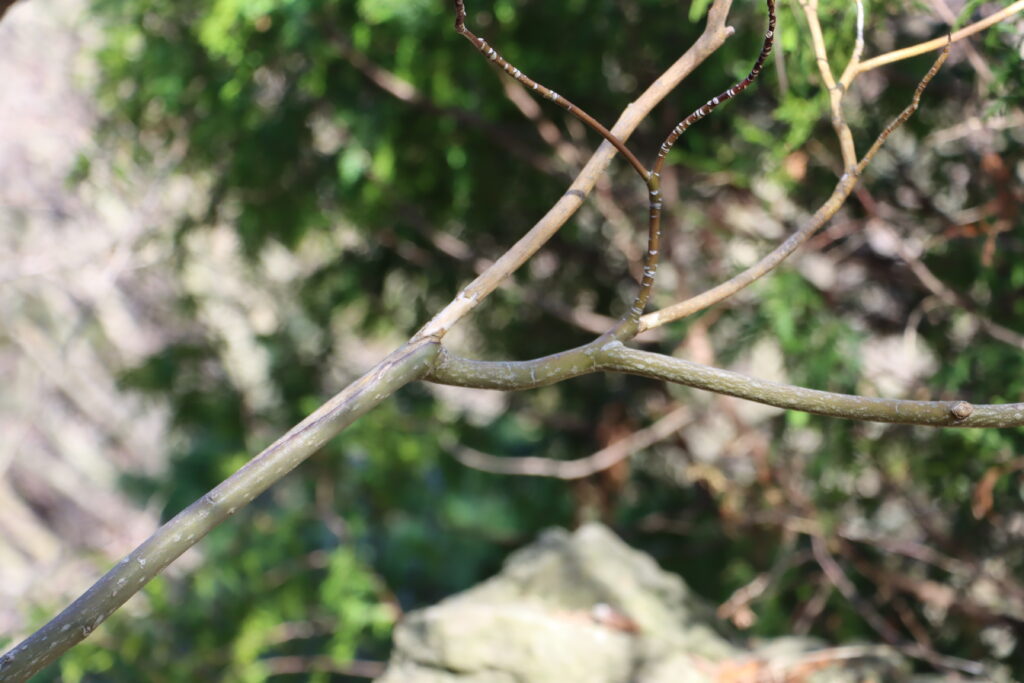
Canker organisms often enter through wounds caused by pruning, lawn equipment, winter injury, or environmental stress.
To reduce the risk of canker:
- Avoid damaging bark and branches.
- Maintain consistent soil moisture.
- Prune dead or infected branches during dry weather.
- Improve air circulation around the plant.
- Avoid excessive fertilization that encourages weak growth.
Healthy, unstressed trees are far less susceptible to canker problems.
Other Potential Issues
Occasionally, gardeners may encounter:
- Leaf spot diseases
- Scale insects
- Borers
- Twig dieback associated with stress
Most problems can be minimized through proper site selection and good cultural care practices.
Why We Love Pagoda Dogwood
Few native trees combine elegance and ecological value as effectively as Cornus alternifolia. Its distinctive tiered branching pattern provides a dramatic architectural feature, while its flowers, berries, and fall colour ensure interest throughout the growing season.
For homeowners looking to enhance a shade garden, support local wildlife, or incorporate more native plants into the landscape, Pagoda Dogwood is an excellent choice. Its adaptability, beauty, and relatively low maintenance requirements have made it one of the finest native ornamental trees for Canadian gardens.
By providing the right conditions—moist soil, partial shade, and protection from stress—Pagoda Dogwood will reward gardeners with decades of graceful growth and four-season beauty.