Cercis canadensis: A Native Herald of Spring
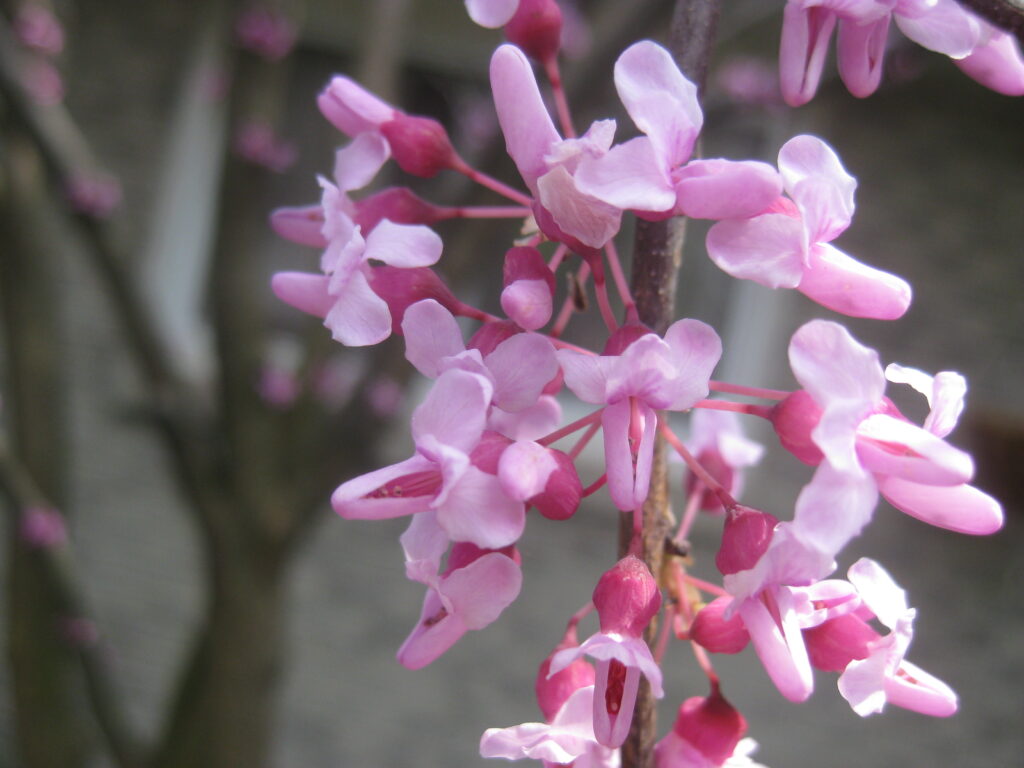
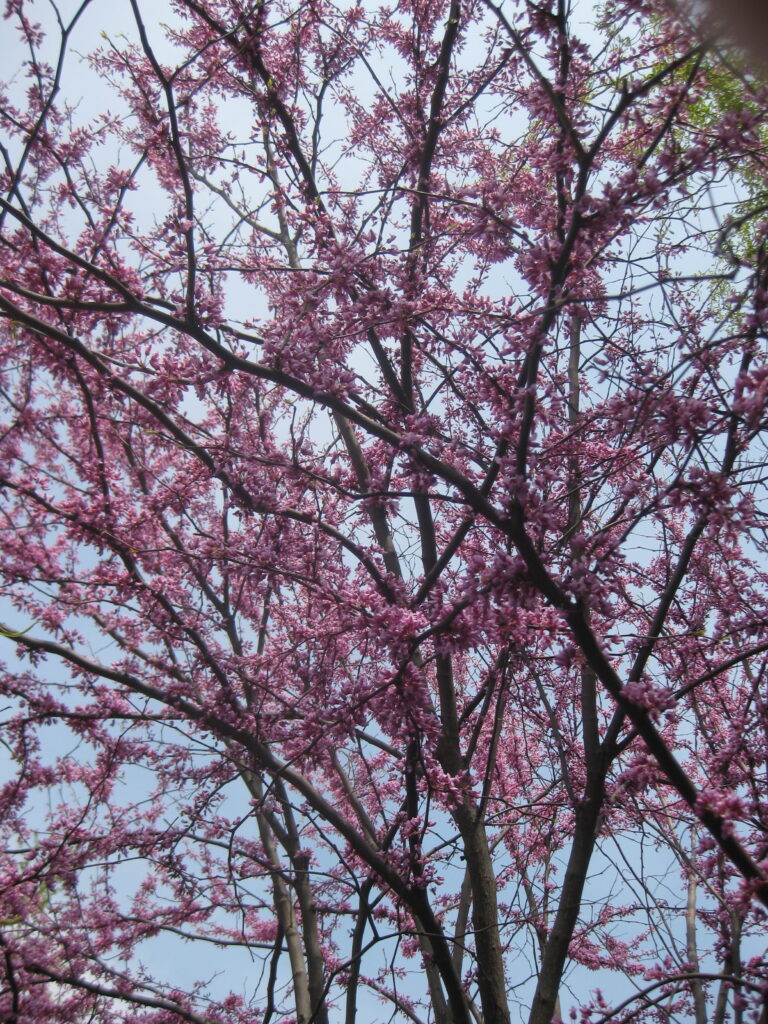
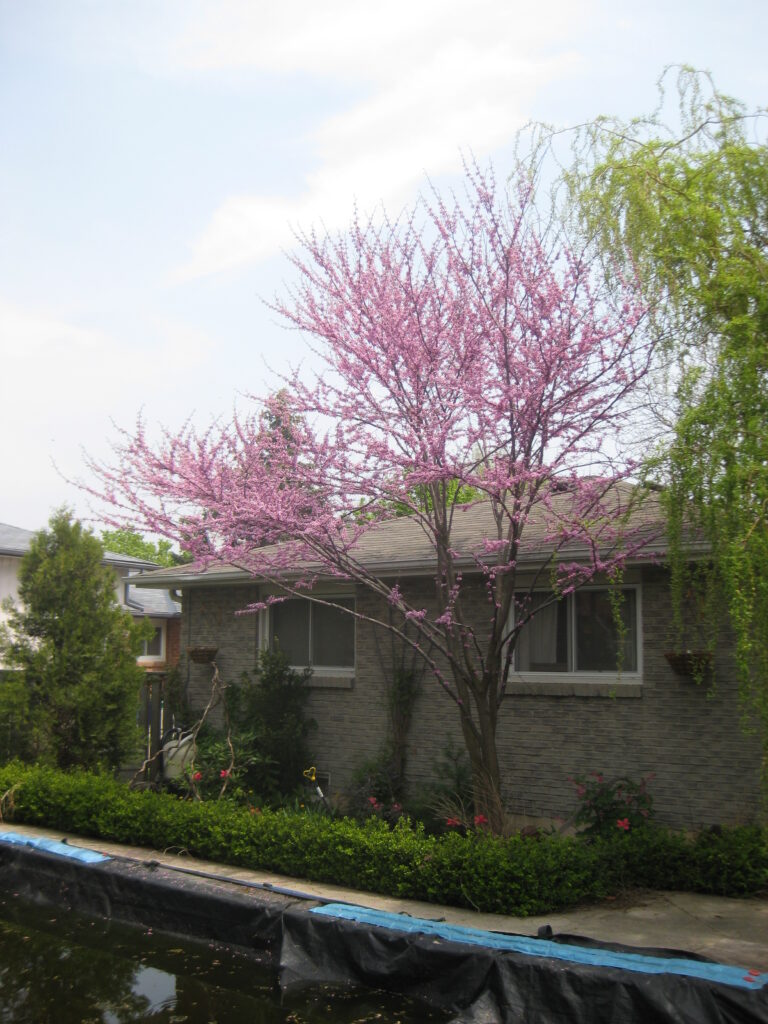
Few trees announce the arrival of spring quite like Cercis canadensis, commonly known as the Eastern Redbud. Before its leaves emerge, its branches and even its trunk become covered with vibrant pink to lavender-pink flowers, creating one of the most spectacular spring displays in the landscape.
This small native tree combines ornamental beauty with ecological value, making it one of the most desirable trees for residential landscapes, parks, and naturalized settings throughout much of eastern North America.
Origins of Cercis canadensis
Eastern Redbud is native to eastern and central North America. Its natural range extends from southern Ontario through much of the eastern United States and west into parts of the Great Plains and Texas. It is commonly found along woodland edges, open forests, stream corridors, and river valleys.
As a member of the Fabaceae (legume) family, Eastern Redbud is related to peas and beans. Like many legumes, it has the ability to work with soil bacteria to help improve soil fertility through nitrogen fixation.
Interesting Facts About Its Nativeness
One of the reasons Eastern Redbud is so valuable in the landscape is its ecological role as a native species.
An Early Lifeline for Pollinators
Eastern Redbud blooms very early in spring, often before many other trees and shrubs flower. Its blossoms provide an important source of nectar and pollen for native bees, butterflies, and other pollinating insects emerging from winter dormancy.
A True Ontario Native
Eastern Redbud occurs naturally in southern Ontario, making it one of the few spectacular flowering trees that is genuinely native to the region. This makes it an excellent choice for gardeners interested in supporting local ecosystems and biodiversity.
Flowers on the Branches and Trunk
One of the tree’s most unusual characteristics is a botanical feature called cauliflory, where flowers emerge directly from mature branches and even the trunk rather than only from new growth. This creates its distinctive spring appearance.
Supports Wildlife
In addition to supporting pollinators, Eastern Redbud provides seeds that are eaten by birds and serves as a host plant for several native butterfly and moth species.
Why Eastern Redbud Makes an Excellent Landscape Tree
Spectacular Spring Flowers
The tree’s greatest feature is undoubtedly its breathtaking spring bloom.
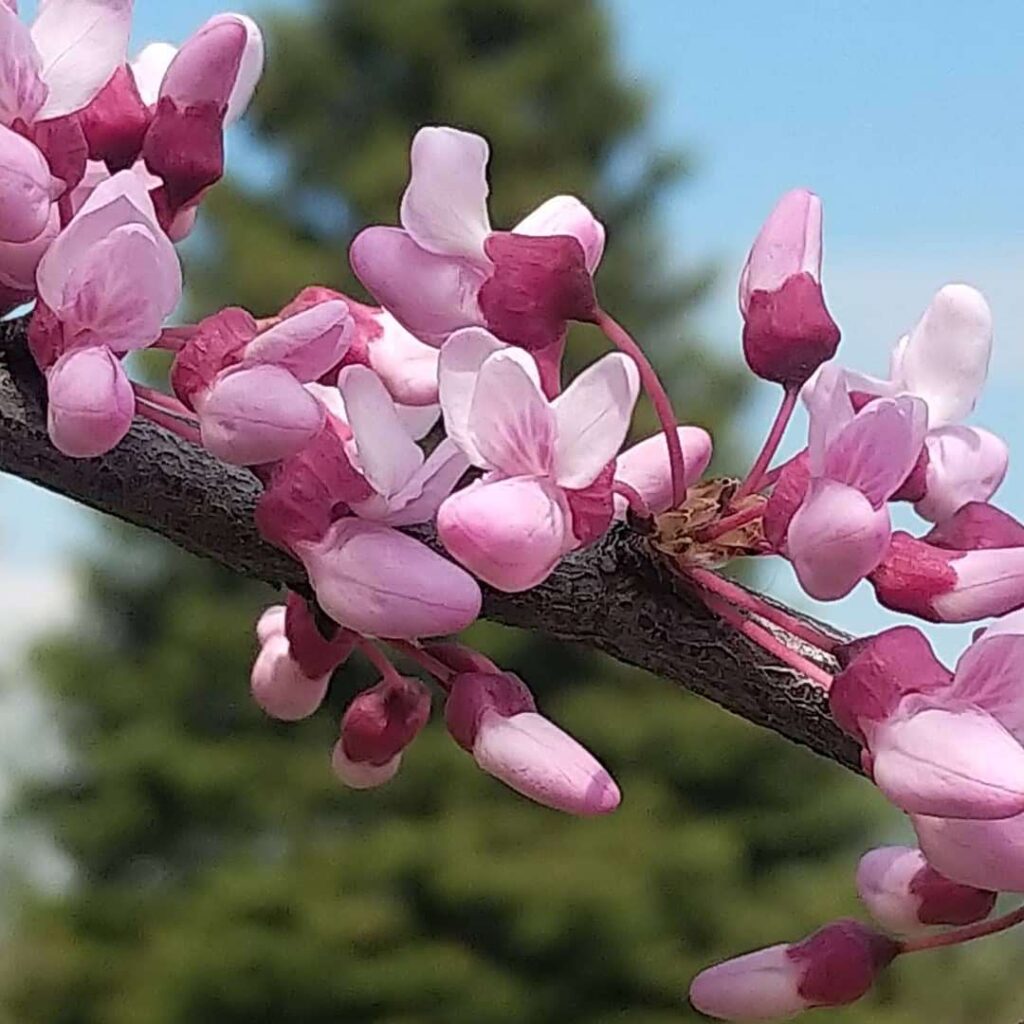
Clusters of pea-like flowers appear before the leaves emerge, covering bare branches with shades of:
- Pink
- Rose-purple
- Lavender-pink
- Occasionally white
The flowering display often lasts several weeks depending on weather conditions.
Heart-Shaped Leaves
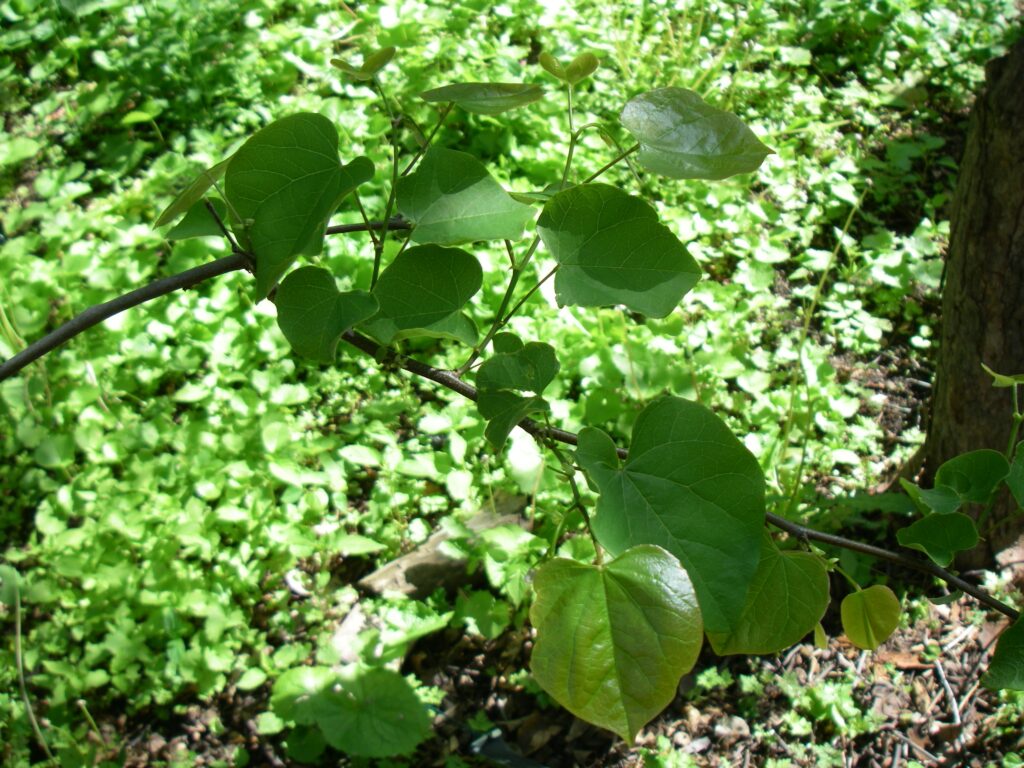
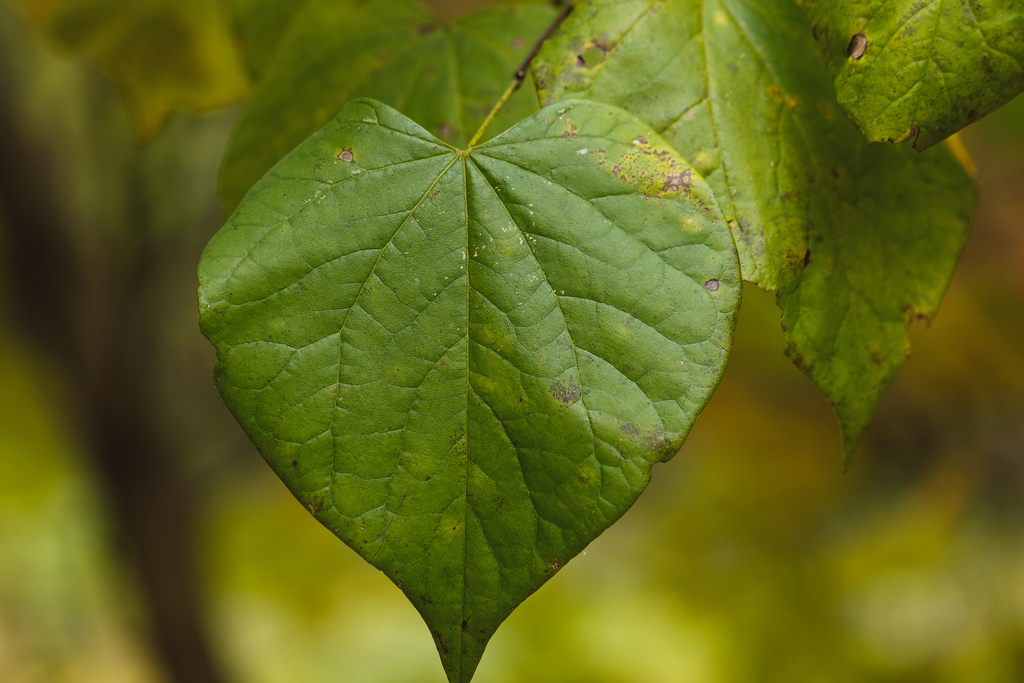
After flowering, attractive heart-shaped leaves emerge, providing a lush canopy throughout summer. New foliage often emerges with reddish or bronze tones before maturing to green.
Multi-Season Interest
Eastern Redbud provides beauty throughout the year:
- Spring flowers
- Summer foliage
- Golden fall colour
- Decorative seed pods
- Interesting winter branching structure
Suitable for Smaller Properties
Unlike many shade trees, Eastern Redbud remains relatively compact, making it suitable for modern urban and suburban landscapes.
Landscape Uses
Specimen Tree
Redbud shines as a focal point near entrances, patios, and front yards where its spring flowers can be fully appreciated.
Woodland Gardens
Because it naturally occurs as an understory tree, it works beautifully beneath taller canopy trees.
Native Plant Gardens
Eastern Redbud is a cornerstone species for native landscape designs and ecological gardens.
Pollinator Gardens
The early flowers provide critical support for native pollinators when few other plants are blooming.
Naturalized Landscapes
Its graceful growth habit allows it to blend naturally into woodland-edge and meadow settings.
Popular Cultivars
Numerous cultivars are available, including:
- ‘Forest Pansy’ – purple foliage
- ‘Royal White’ – white flowers
- ‘Ace of Hearts’ – compact form
- ‘Rising Sun’ – orange and gold foliage
- ‘Merlot’ – dark purple foliage and improved heat tolerance
- ‘Appalachian Red’ – brilliant rosy-red flowers
Plant Characteristics
- Botanical Name: Cercis canadensis
- Common Name: Eastern Redbud
- Family: Fabaceae (Legume Family)
- Plant Type: Deciduous flowering tree
- Height: 6–9 m (20–30 ft.)
- Spread: 7.5–10.5 m (25–35 ft.)
- Hardiness: USDA Zones 4–8
- Flower Colour: Pink, rose-purple, lavender-pink, occasionally white
- Native Range: Eastern and central North America including southern Ontario
How to Care for Eastern Redbud
Sunlight
Eastern Redbud performs best in:
- Full sun
- Partial shade
In hotter climates, some afternoon shade can be beneficial.
Soil Requirements
This adaptable tree tolerates:
- Loam
- Clay
- Sandy soils
However, it performs best in moist, well-drained soils. But loves our Milton shale clay soil……
Watering
Young trees benefit from regular watering during establishment.
Once established, Eastern Redbud becomes moderately drought tolerant but appreciates supplemental water during extended dry periods.
Fertilizing
Typically, little or no fertilization is required. As a member of the legume family, Redbud can help obtain nitrogen naturally through its relationship with soil microorganisms.
Maintenance and Pruning
Redbud is generally a low-maintenance tree.
Recommended care includes:
- Removing dead or damaged branches
- Light structural pruning when young
- Mulching around the root zone
- Avoiding mechanical damage to the trunk
Pruning is best done shortly after flowering.
Common Pests and Diseases
While generally reliable, Eastern Redbud can occasionally experience:
Leafhoppers
Small sap-feeding insects that rarely cause significant damage.
Cankers
Fungal cankers may occur on stressed trees.
Verticillium Wilt
A soil-borne fungal disease that can affect many ornamental trees, including Redbud.
Anthracnose and Leaf Spots
Occasional fungal diseases during wet seasons.
Proper siting, good drainage, and maintaining tree vigour help reduce most problems.
Why Homeowners Love Eastern Redbud
✅ Native to Ontario and eastern North America
✅ Spectacular spring flowering
✅ Pollinator friendly
✅ Heart-shaped foliage
✅ Compact size
✅ Multi-season interest
✅ Wildlife value
✅ Fits smaller landscapes
✅ Beautiful specimen tree
Conclusion
Cercis canadensis (Eastern Redbud) is one of the finest native ornamental trees available to gardeners. Its brilliant spring flowers, attractive heart-shaped leaves, manageable size, and tremendous ecological value make it an excellent choice for residential landscapes, woodland gardens, and native plantings. For gardeners seeking a tree that combines beauty with environmental benefits, Eastern Redbud remains one of North America’s true landscape treasures.