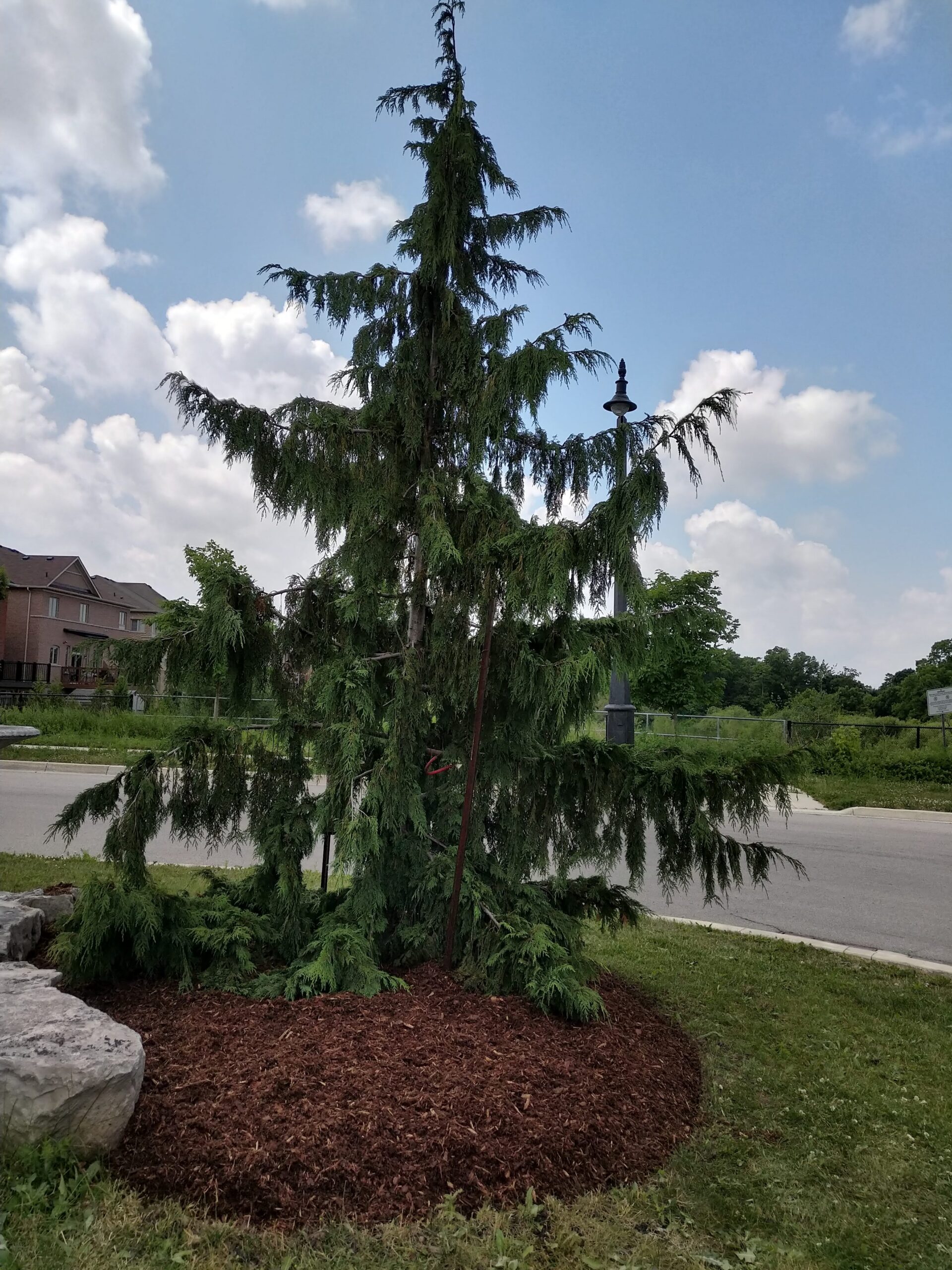
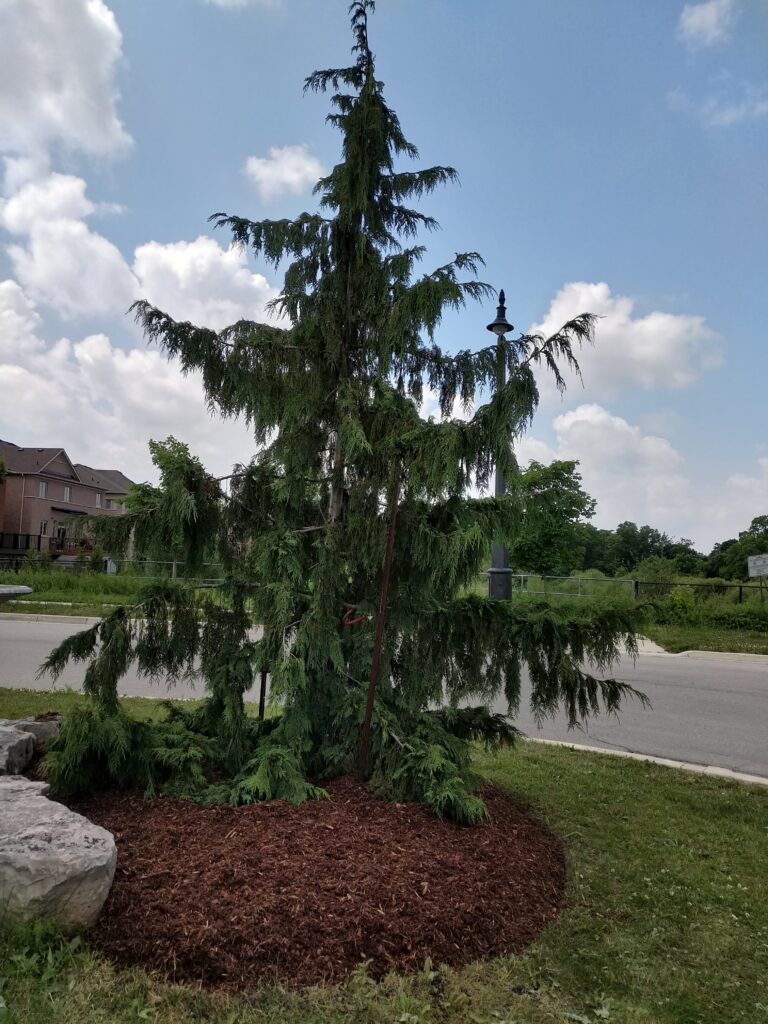
Few trees bring as much quiet drama to a landscape as Callitropsis nootkatensis ‘Pendula’, often known as the Weeping Nootka Cypress. With its flowing, curtain‑like branches and strong evergreen presence, this species adds sculptural elegance to gardens all year long.
Below, we’ll explore where it comes from, how to grow it successfully, what to watch for, and how to use it to create unforgettable outdoor spaces.
🌲 Origins & Natural Habitat
The species Callitropsis nootkatensis is native to the Pacific Northwest, naturally occurring along the rugged coastal regions of Alaska, British Columbia, and northern Washington. It thrives in cool, moist, mountainous environments with excellent air circulation.
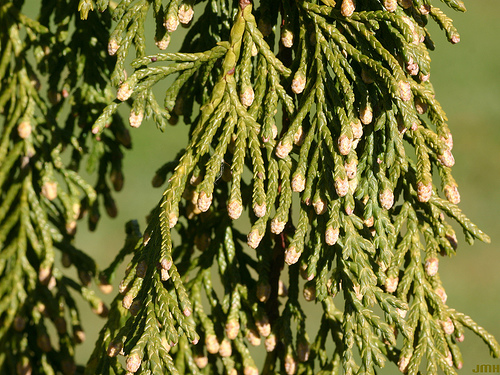
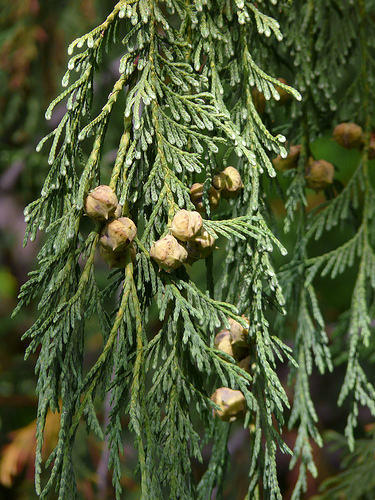
The cultivar ‘Pendula’ was selected for its distinct, weeping architecture—long, graceful branches that hang downward, creating a unique silhouette unlike any other conifer. This naturally elegant form makes it a favourite of designers looking for vertical interest with personality.
🌱 How to Care for Callitropsis nootkatensis ‘Pendula’
📍 Planting Location
- Prefers full sun to light shade
- Best planted in a spot with good airflow
- Avoid heat traps near reflective walls or south‑facing expansions
🌧 Soil & Watering
- Thrives in moist, well‑drained soil
- Does not tolerate standing water
- Benefits from regular deep watering during the first 2–3 years
- Once established, it is moderately drought tolerant, but performs best with consistent moisture
🌡 Climate
- Hardy to Zone 5, sometimes Zone 4 in sheltered conditions
- Appreciates cooler climates and does not thrive in hot, dry, inland environments
🌿 Pruning
- Minimal pruning required
- Best used to remove damaged wood or control size in tight spaces
- Allow natural form to develop—it is one of its greatest attributes
🪲 Pests and Diseases
Callitropsis nootkatensis ‘Pendula’ is generally robust, but there are issues to be aware of:
Common Concerns
- Root rot (Phytophthora) if soil stays too wet
- Bagworms in some regions
- Dieback in hot, dry summers or areas with poor airflow
Prevention Tips
- Plant in well‑drained soil
- Water deeply but avoid overwatering
- Mulch to retain soil moisture while keeping mulch away from the trunk
- Inspect foliage periodically
With proper care, it remains a long‑lived, resilient landscape feature.
🌳 How to Use ‘Pendula’ in the Landscape
This tree is a designer’s dream. Use it to:
✨ Create a Focal Point
Its dramatic form naturally draws the eye—perfect for front‑yard accents, courtyard gardens, or flanking entryways.
✨ Add Vertical Interest
Great in mixed borders or narrow spaces where height is desired without overwhelming width.
✨ Enhance Modern or Naturalistic Designs
Its sculptural habit suits contemporary landscapes, while its woodland origins make it equally at home in rustic, natural settings.
✨ Provide Four‑Season Beauty
Unlike deciduous features, its evergreen character brings shape and texture even in winter.
This is a plant that commands attention without being loud—and that’s part of its magic.
👋 Have Questions? Need Help With Design?
If you’d like to know whether Callitropsis nootkatensis ‘Pendula’ is right for your landscape—or you want help choosing plants that perform beautifully in Ontario—reach out any time.
I’m happy to answer your questions or offer a free landscape consultation.
🌿 Let’s build something beautiful together.