Calathea musaica (Mosaic Prayer Plant)
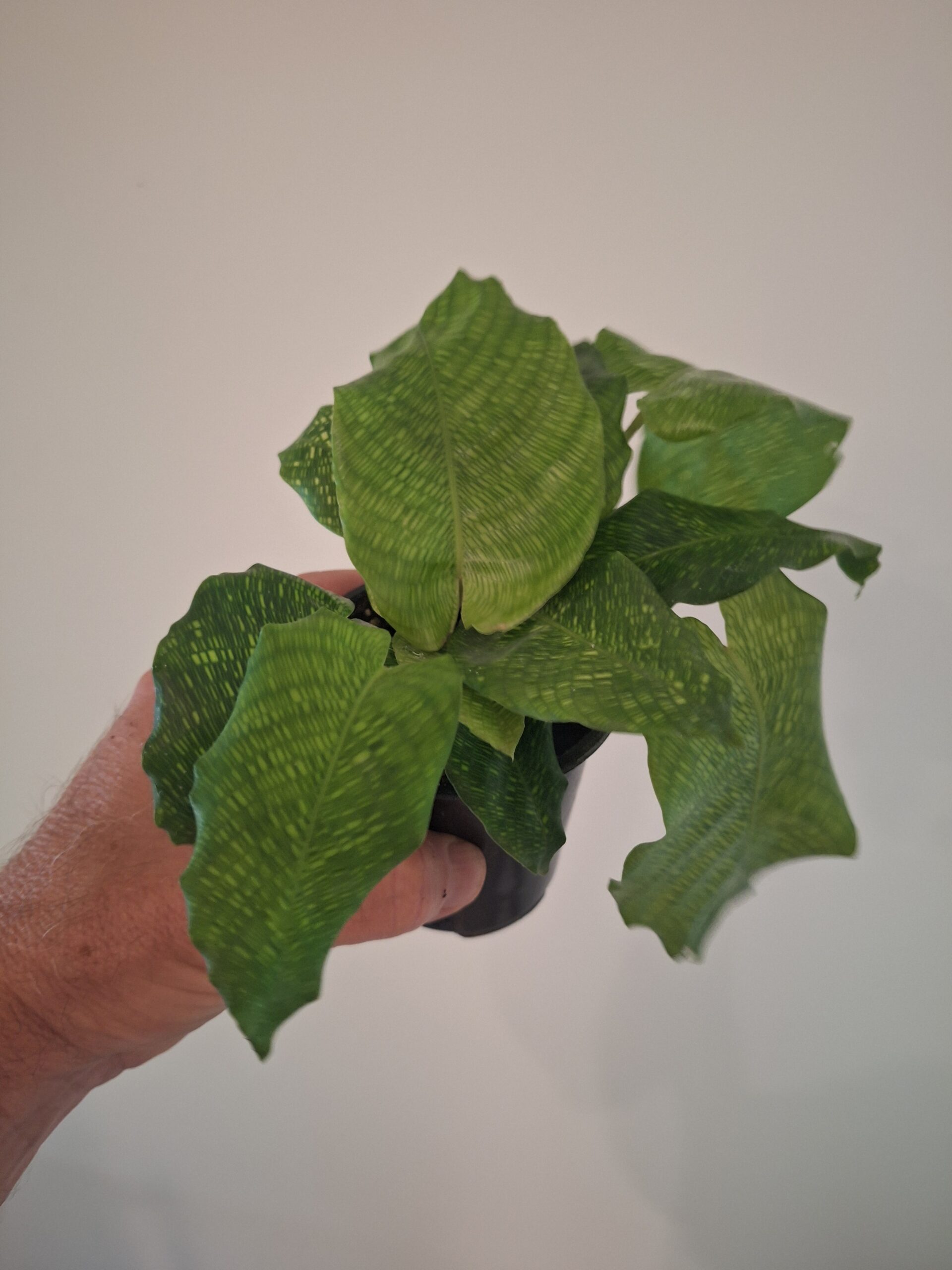
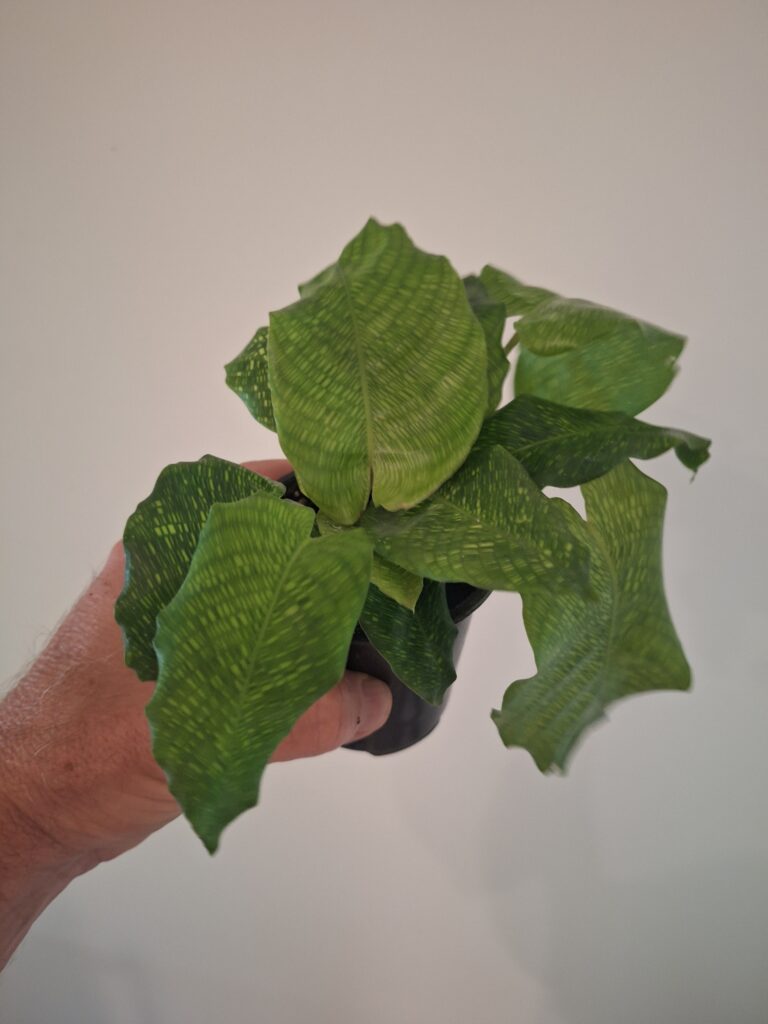
Among the many tropical houseplants available today, few are as visually striking as the Mosaic Prayer Plant. At first glance, its leaves appear almost artificial, displaying a mesmerizing network of tiny geometric patterns that resemble fine embroidery or digital artwork.
Unlike flowering houseplants that rely on blooms for visual appeal, Calathea musaica is grown almost entirely for its extraordinary foliage. Its intricate leaf patterns make it a natural focal point in homes, offices, and interior plant collections.
History and Origins
The Mosaic Prayer Plant originates from the tropical forests of Brazil, where it grows beneath the canopy of larger trees. In its native habitat, it experiences warm temperatures, filtered sunlight, high humidity, and consistently moist soil.
It belongs to the Marantaceae family, commonly known as the Prayer Plant family, which includes other popular houseplants such as Calatheas, Marantas, and Ctenanthes.
The plant has gained popularity in recent years because of its unique foliage pattern, which looks unlike almost any other houseplant available.
Plant Description
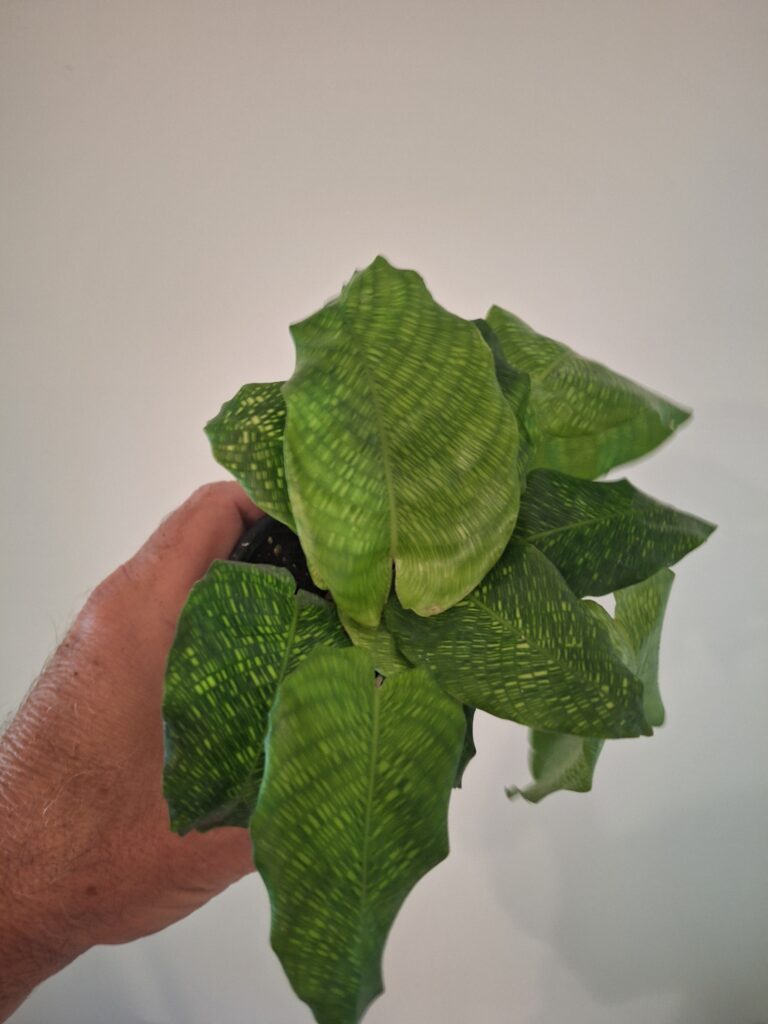
Calathea musaica is an evergreen tropical perennial prized for its spectacular leaves.
Key Features
- Intricate mosaic-like leaf pattern
- Bright green foliage with darker green netting
- Upright, clumping growth habit
- Compact size suitable for indoor spaces
- Airy, elegant appearance
- Distinctive leaf movement
Mature plants generally reach 30 to 60 cm (12 to 24 inches) in height and width, making them ideal for tabletops, plant stands, and decorative containers.
The leaves are oval-shaped and display one of the most detailed natural patterns found in the plant world.
Why Is It Called a Prayer Plant?
Like many members of the Marantaceae family, Calathea musaica exhibits a phenomenon called nyctinasty.
During the day, the leaves spread outward to capture available light. As evening approaches, the leaves gently fold upward, creating a subtle movement that resembles hands held in prayer.
This daily movement adds an extra element of interest and helps explain why prayer plants are so beloved by houseplant enthusiasts.
Ideal Growing Conditions
Light Requirements
Calathea musaica thrives in:
- Bright indirect light
- Filtered sunlight
- North-facing windows
- East-facing windows
- Bright rooms away from direct sunlight
The beautiful leaf pattern is most vibrant when the plant receives consistent indirect light.
Avoid direct sunlight, which can:
- Fade leaf markings
- Cause browning
- Scorch delicate foliage
The plant can tolerate moderate light levels but may grow more slowly in darker locations.
Temperature
As a tropical species, the Mosaic Prayer Plant prefers warmth year-round.
Ideal temperatures include:
- 18°C to 27°C (65°F to 80°F)
Protect the plant from:
- Cold drafts
- Air conditioning vents
- Sudden temperature fluctuations
- Temperatures below 15°C (59°F)
Consistency is important for maintaining healthy growth.
Watering Requirements
Calathea musaica likes evenly moist soil but dislikes being waterlogged.
Watering Tips
- Allow the top layer of soil to dry slightly between waterings.
- Water thoroughly when needed.
- Never let the soil become completely dry.
- Empty excess water from saucers promptly.
Many growers find that the plant performs best when watered with filtered, distilled, or rainwater, particularly in regions with hard tap water.
Excess minerals can contribute to leaf tip browning.
Soil Requirements
The ideal soil should be:
- Rich in organic matter
- Well-draining
- Moisture-retentive
- Light and airy
A tropical houseplant mix amended with perlite and fine orchid bark works very well.
Proper drainage prevents root problems while retaining sufficient moisture for healthy growth.
Fertilizing
Feed during the active growing season from spring through early fall.
A balanced liquid houseplant fertilizer applied monthly is usually sufficient.
Avoid over-fertilizing, which can:
- Burn roots
- Damage leaf margins
- Cause mineral buildup in the soil
Less is often more when feeding Calatheas.
Pruning and Maintenance
Calathea musaica is relatively low maintenance.
Routine care includes:
- Removing yellow or damaged leaves
- Cleaning foliage occasionally with a damp cloth
- Rotating the plant to encourage even growth
The large patterned leaves naturally collect dust, so periodic cleaning helps maintain their appearance and improves photosynthesis.
Repotting
Repot every two to three years or whenever the plant begins to outgrow its container.
Signs that repotting is needed include:
- Roots emerging from drainage holes
- Slower growth
- Soil that dries out unusually quickly
Choose a pot only slightly larger than the current container.
Propagation
Calathea musaica is most commonly propagated through division.
Division Method
- Remove the plant from its pot.
- Carefully separate healthy root clumps.
- Ensure each division has roots and foliage.
- Replant into fresh potting mix.
- Keep evenly moist while establishing.
Division is usually performed when repotting mature plants.
Common Pests and Problems
Although generally healthy, Calathea musaica can occasionally encounter a few challenges.
Potential Pests
- Spider mites
- Mealybugs
- Fungus gnats
- Scale insects
Spider mites are often the most common issue, especially when humidity levels are low.
Common Problems
Brown Leaf Tips
Usually caused by:
- Low humidity
- Hard water
- Excess fertilizer
Curling Leaves
May indicate:
- Underwatering
- Low humidity
- Temperature stress
Yellow Leaves
Often caused by overwatering or poor drainage.
Faded Patterns
Usually a result of excessive direct sunlight.
Most issues can be corrected by adjusting environmental conditions.
Interesting Facts About the Mosaic Prayer Plant
One of the Most Unique Leaf Patterns in the Plant Kingdom
The leaf markings resemble a finely woven mosaic, earning the plant its common name.
The Patterns Look Digital
Many people describe the foliage as appearing pixelated or computer-generated due to its precise geometric patterning.
It Moves Every Day
The leaves gently shift position between day and night as part of their natural growth cycle.
It Is Grown for Its Foliage, Not Flowers
Although it can produce small flowers, the intricate leaves are the real attraction.
It Creates Instant Tropical Elegance
Few houseplants deliver the same blend of sophistication, texture, and visual intrigue as Calathea musaica.
Why You Should Grow a Mosaic Prayer Plant
If you’re looking for an indoor plant that serves as a conversation piece, Calathea musaica is an outstanding choice. Its remarkable mosaic-patterned foliage, compact growth habit, and fascinating leaf movements make it one of the most distinctive tropical houseplants available.
Provide bright indirect light, warm temperatures, elevated humidity, and consistently moist soil, and this botanical masterpiece will reward you with year-round beauty.