Origins & Development
Buxus ‘Green Gem’ is a hybrid boxwood cultivar developed at Sheridan Nurseries in Canada. It is the result of crossing Buxus microphylla ‘Koreana’ with Buxus sempervirens and is part of the well‑known Sheridan Green Series.
Introduced in the 1970s alongside other classics such as ‘Green Mountain’ and ‘Green Velvet,’ these hybrids were bred to combine winter hardiness with strong ornamental qualities.
How to Grow Buxus ‘Green Gem’
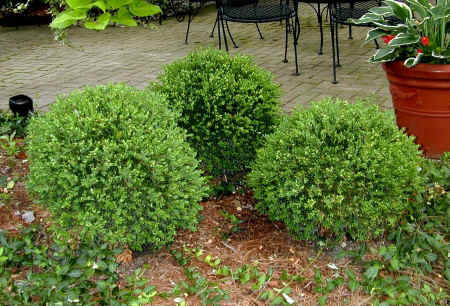
This cultivar is beloved for its dense, dwarf, perfectly rounded form, its winter-hardiness, and its adaptability in a range of garden conditions.
Growing Conditions
- Light: Full sun to part shade. Too much full sun in winter may lead to bronzing.
- Soil: Evenly moist, well‑drained soil; tolerant of slightly acidic to slightly alkaline pH.
- Moisture: Prefers consistent moisture but hates “wet feet.”
- Protection: Site in a spot sheltered from harsh winter winds to prevent leaf dehydration and bronzing.
- Pruning: Requires very little—its natural form is already compact, but it tolerates shearing. Never prune before danger of spring frost has passed.
- Propagation: Stem cuttings. This is a plant that I have propagated on my own. I like to propagate things as a weird hobby…..
Pest & Disease Pressures
Traditional Boxwood Pests
‘Green Gem’ is moderately resistant to boxwood blight, but still susceptible to:
- Box Tree Moth
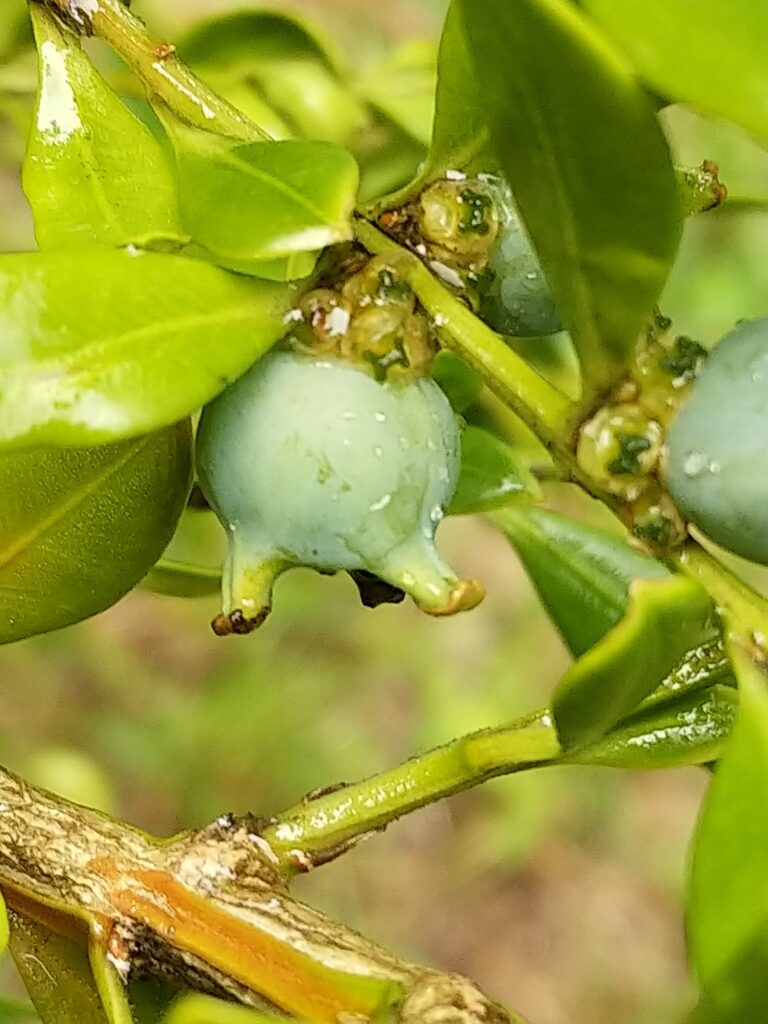
- Boxwood leaf miner
- Boxwood psyllid
- Boxwood mites
- Root rot in poorly drained soils
Winter stress can also cause injury, including leaf bronzing or dieback.
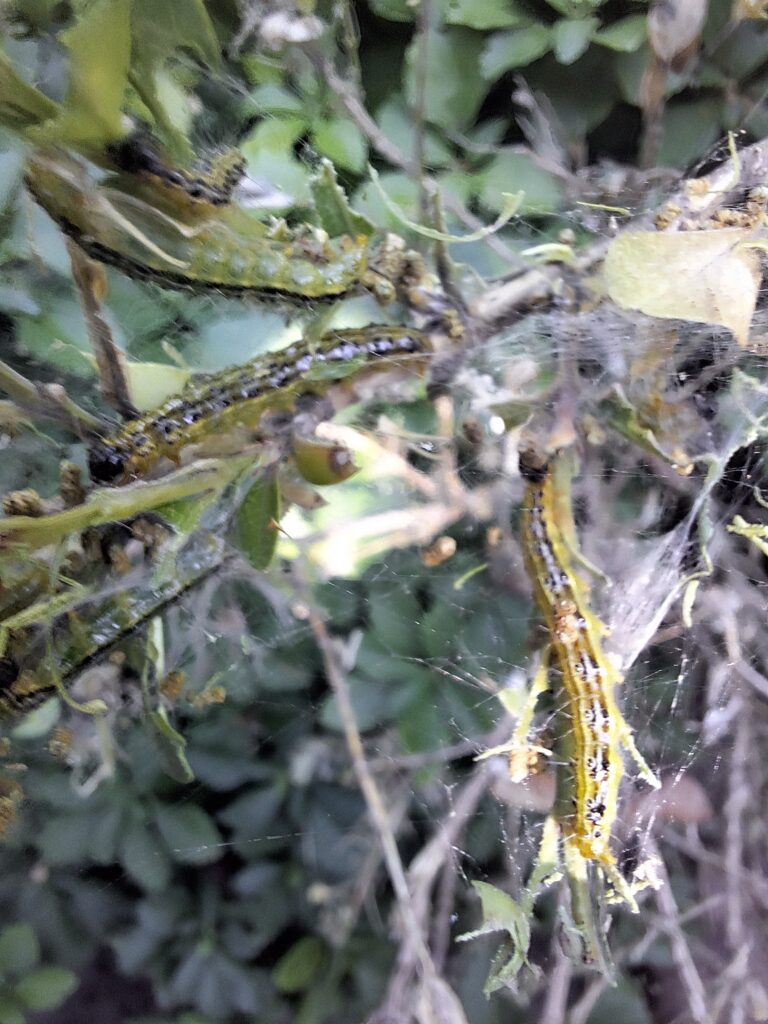
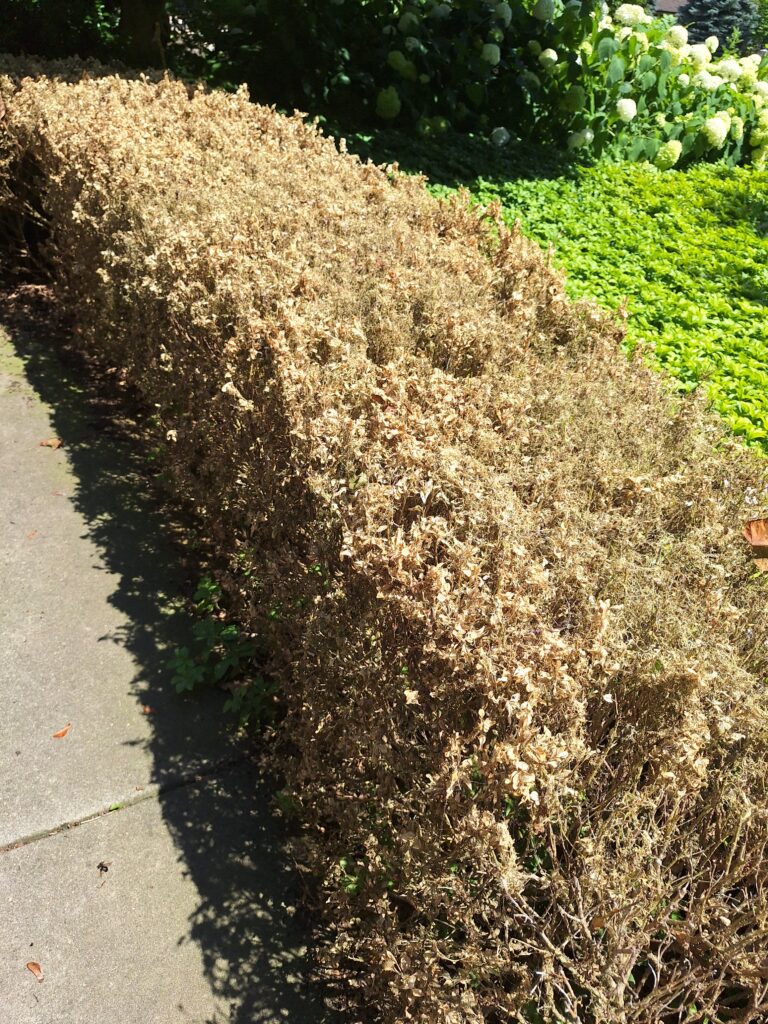
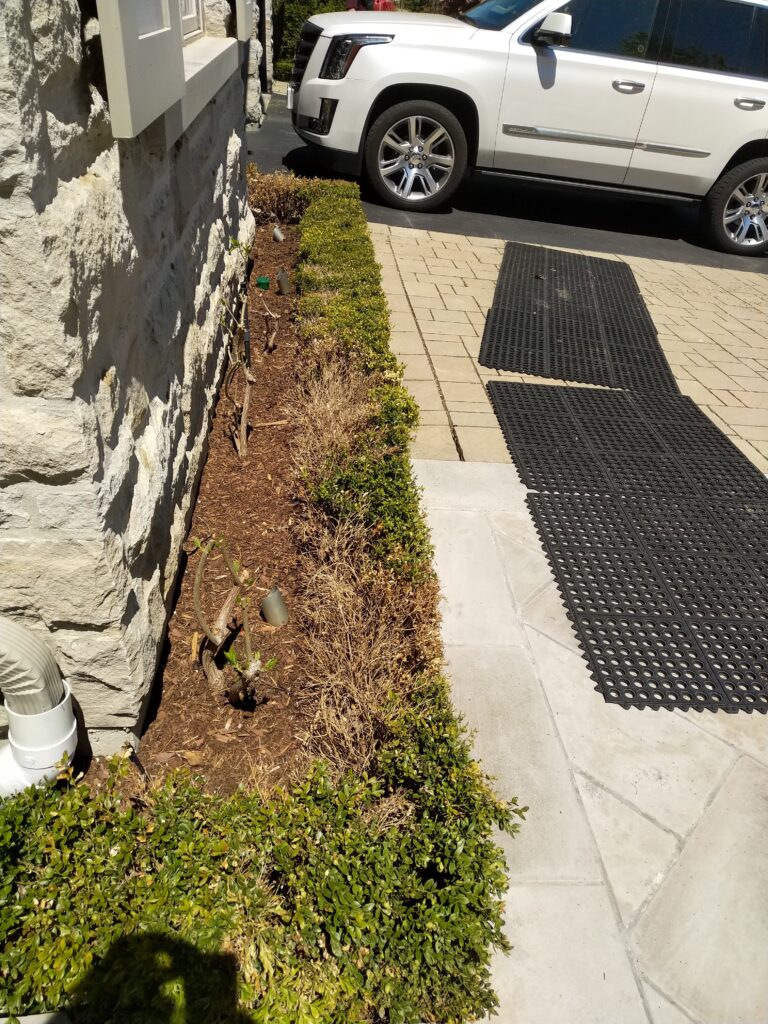
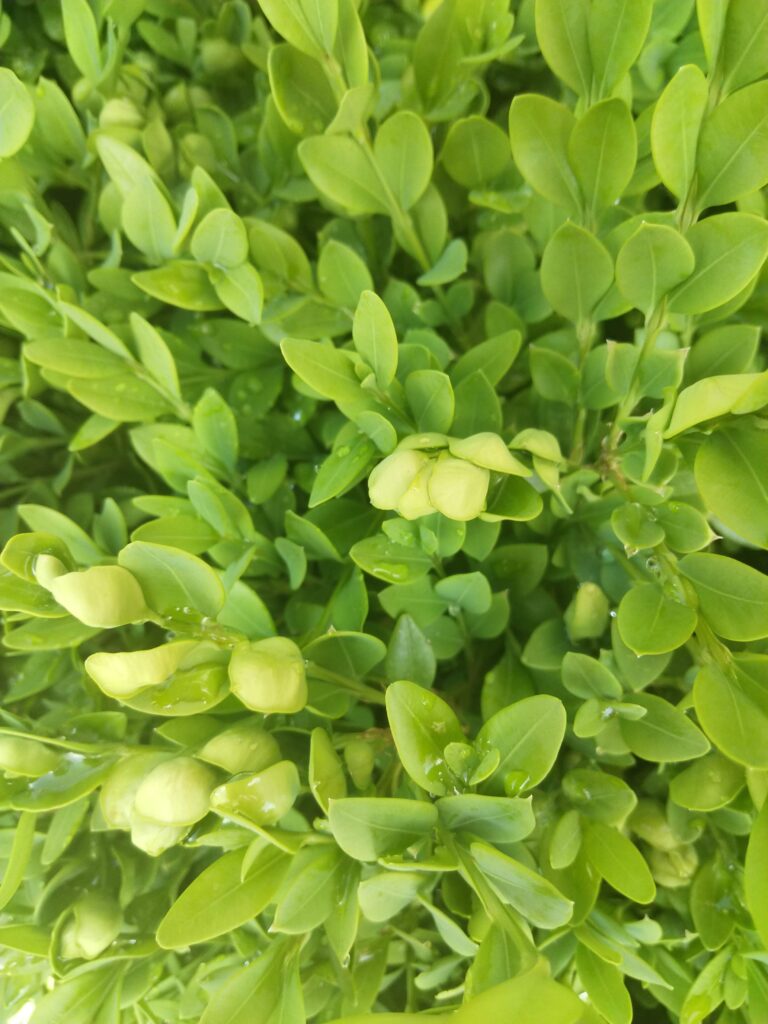
The Growing Threat: Box Tree Moth (BTM)
The Box Tree Moth, now spreading through Europe and North America, poses a new and serious challenge to all boxwood species. While breeding programs are now exploring BTM‑resistant varieties, classic cultivars like ‘Green Gem’ may face an uncertain future if the pest becomes widespread and unmanaged.
Because BTM caterpillars can defoliate and kill boxwood, widespread infestation may eventually make traditional boxwood—despite its long landscape history—less viable or even obsolete in some regions.
Breeding efforts are underway, but it may be several years before resistant cultivars become readily available.
We are licenced pesticide applicators. We can spray boxwood to control Box Tree Moth. Reach out to us if you’d like more information. This post will tell you a bit about our pesticide licence.
Best Landscape Uses
Thanks to its compact, rounded form, ‘Green Gem’ is ideal for:
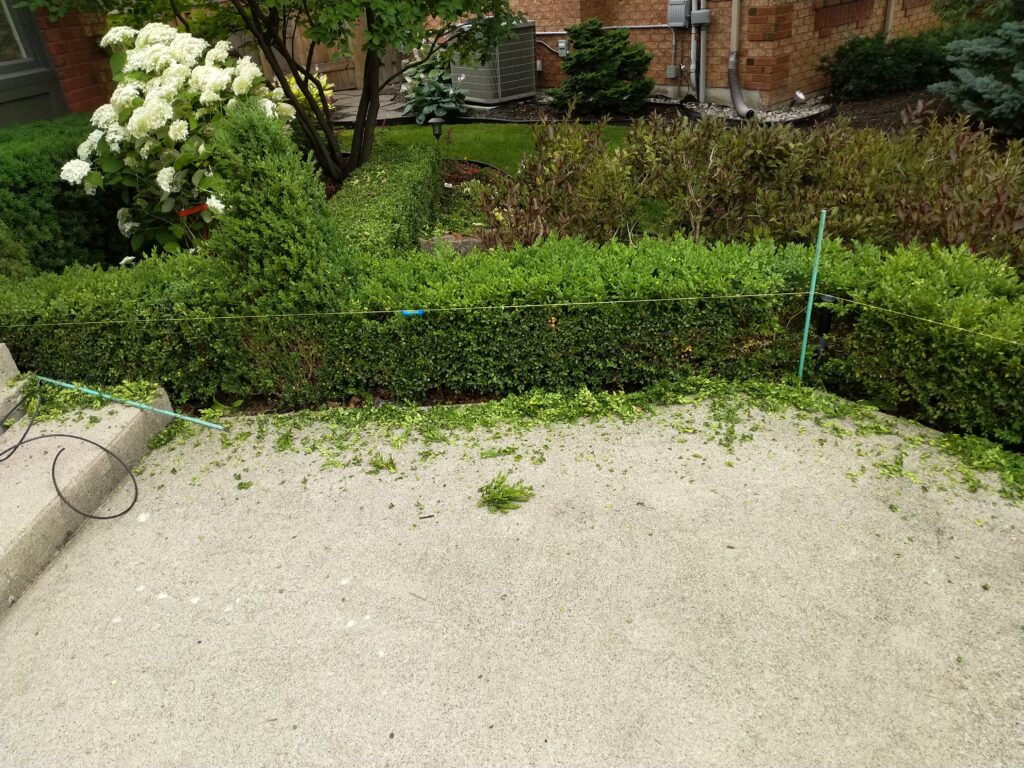
- Low hedges and formal borders
- Foundation plantings
- Pathway edging
- Patio or courtyard plantings
- Small gardens and tight spaces
- It’s (or it WAS – due to Box Tree Moth) reliable evergreen foliage also makes it valuable for winter interest.
Quick Facts: Buxus ‘Green Gem’
- Developer: Sheridan Nurseries, Canada
- Type: Broadleaf evergreen shrub
- Hardiness: USDA Zone 4
- Mature Size: 2–3 ft tall and wide (sometimes reported up to 4 ft)
- Growth Rate: Slow; naturally compact
- Light: Full sun to part shade
- Soil: Moist, well‑drained, slightly acidic to slightly alkaline
- Notable Features: Dense globe form, glossy evergreen foliage, good winter hardiness
- Pests: Boxwood leaf miner, mites, psyllid; emerging threat from Box Tree Moth
- Deer/Rabbit Resistance: Yes (generally avoided)
What Do You Think?
Have you grown ‘Green Gem’ in your landscape—or are you considering alternatives due to Box Tree Moth or winter bronzing?
I’d love to hear your experiences, concerns, or tips.
Drop your thoughts or questions in the comments below!