AXXE Herbicide: A Fast-Acting Alternative for Weed Control
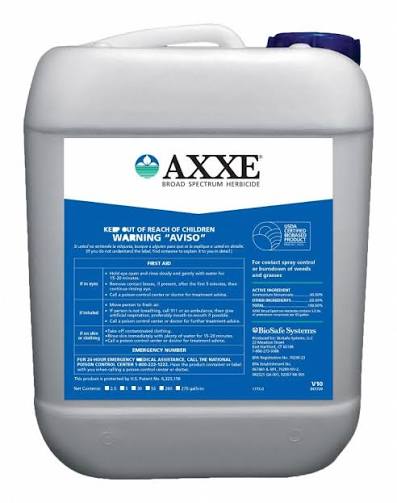
When clients ask about weed control options, many are looking for solutions that work quickly while minimizing long-term environmental impacts. One product gaining attention in the landscape and horticulture industry is AXXE Broad Spectrum Herbicide.
AXXE is a non-selective, post-emergent herbicide that controls a wide range of grasses, broadleaf weeds, mosses, and liverworts. Unlike systemic herbicides that move throughout the plant, AXXE works on contact and delivers visible results very quickly.
What Is AXXE Herbicide Made Of?
The active ingredient in AXXE is Ammonium Nonanoate, which makes up approximately 40% of the concentrated product. Ammonium nonanoate is a soap-based herbicidal compound derived from naturally occurring fatty acids. Think of it as a herbicidal soap.
Because it is based on fatty acid chemistry rather than synthetic systemic chemistry, AXXE is often used in situations where users want a fast-contact herbicide with no long-lasting soil activity.
How Does AXXE Work?
AXXE works by penetrating the cell membranes of green plant tissue. Once the cell membranes are disrupted, the contents of the plant cells leak and mix together, causing rapid dehydration and tissue breakdown. The result is visible burn-down and browning of treated weeds.
In simple terms:
- The spray contacts green plant tissue.
- Cell walls and membranes are disrupted.
- Plant cells lose their ability to function normally.
- The foliage rapidly dries out and dies.
- The plant turns brown and necrotic within hours to days.
Many users observe wilting and browning the same day, with significant injury visible within 24 hours under favourable growing conditions.
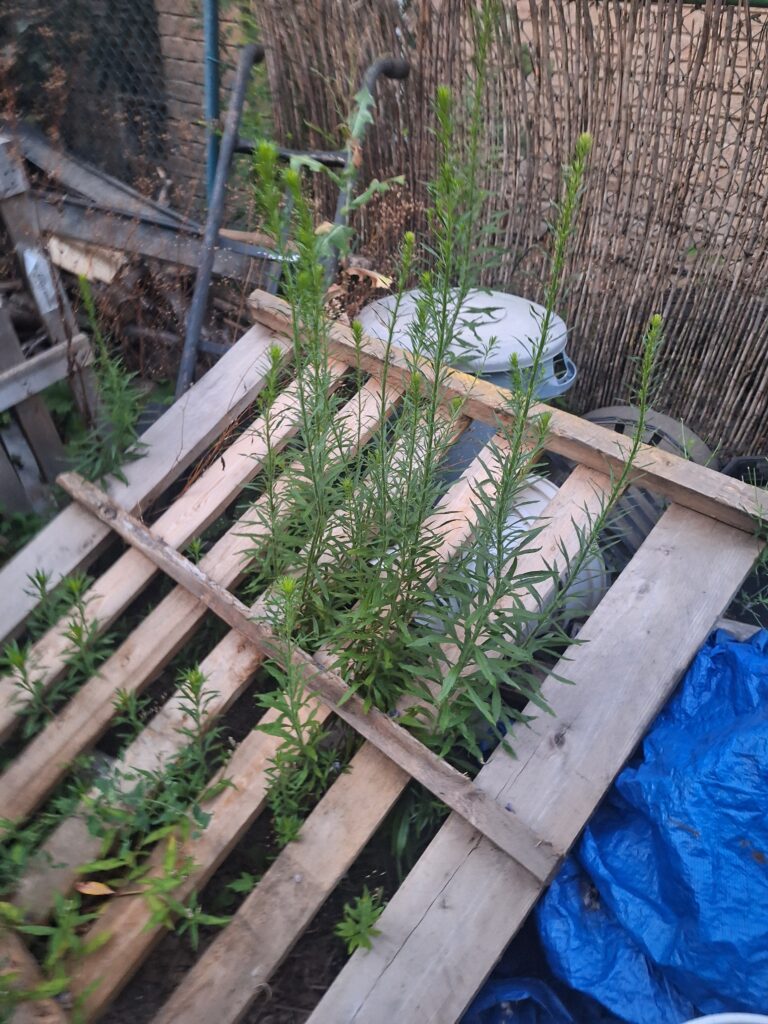
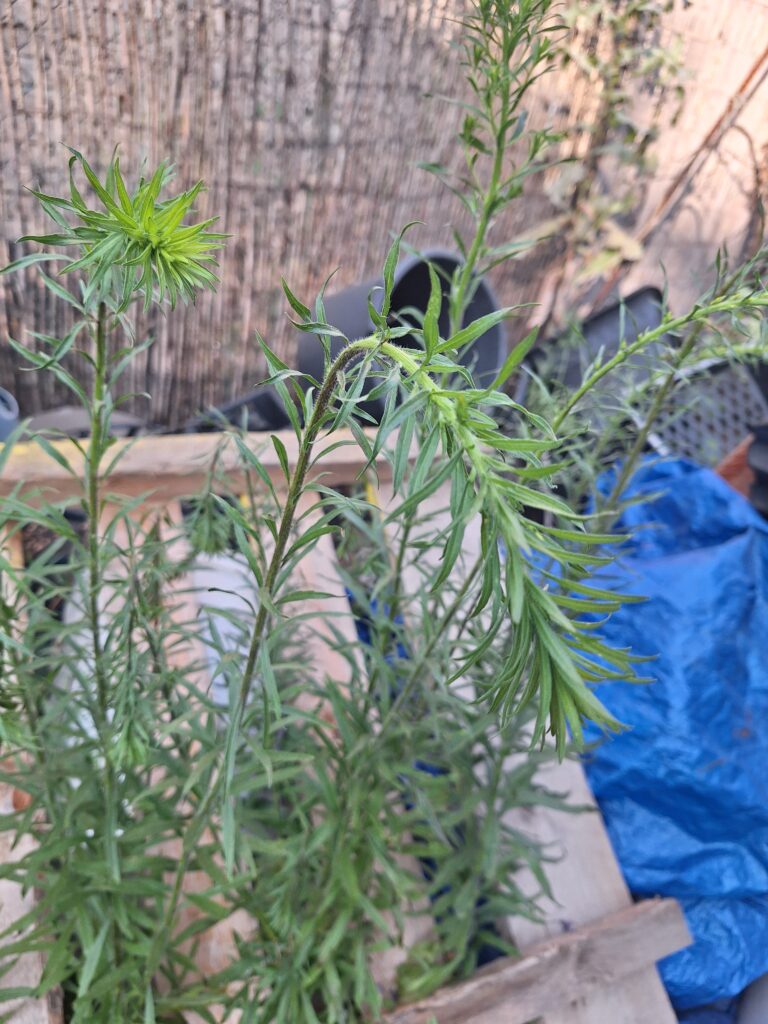
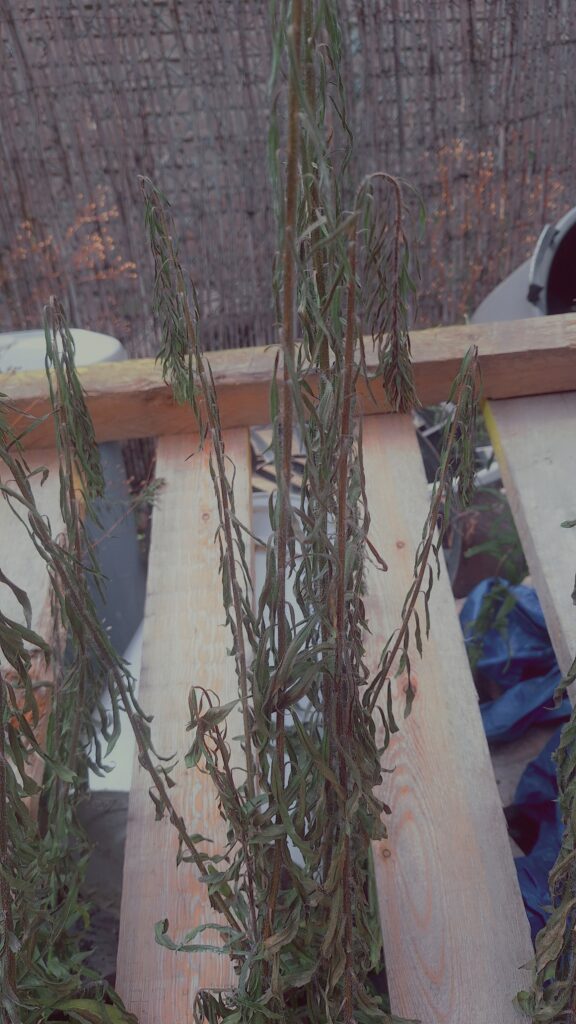
Is AXXE a Systemic Herbicide?
No.
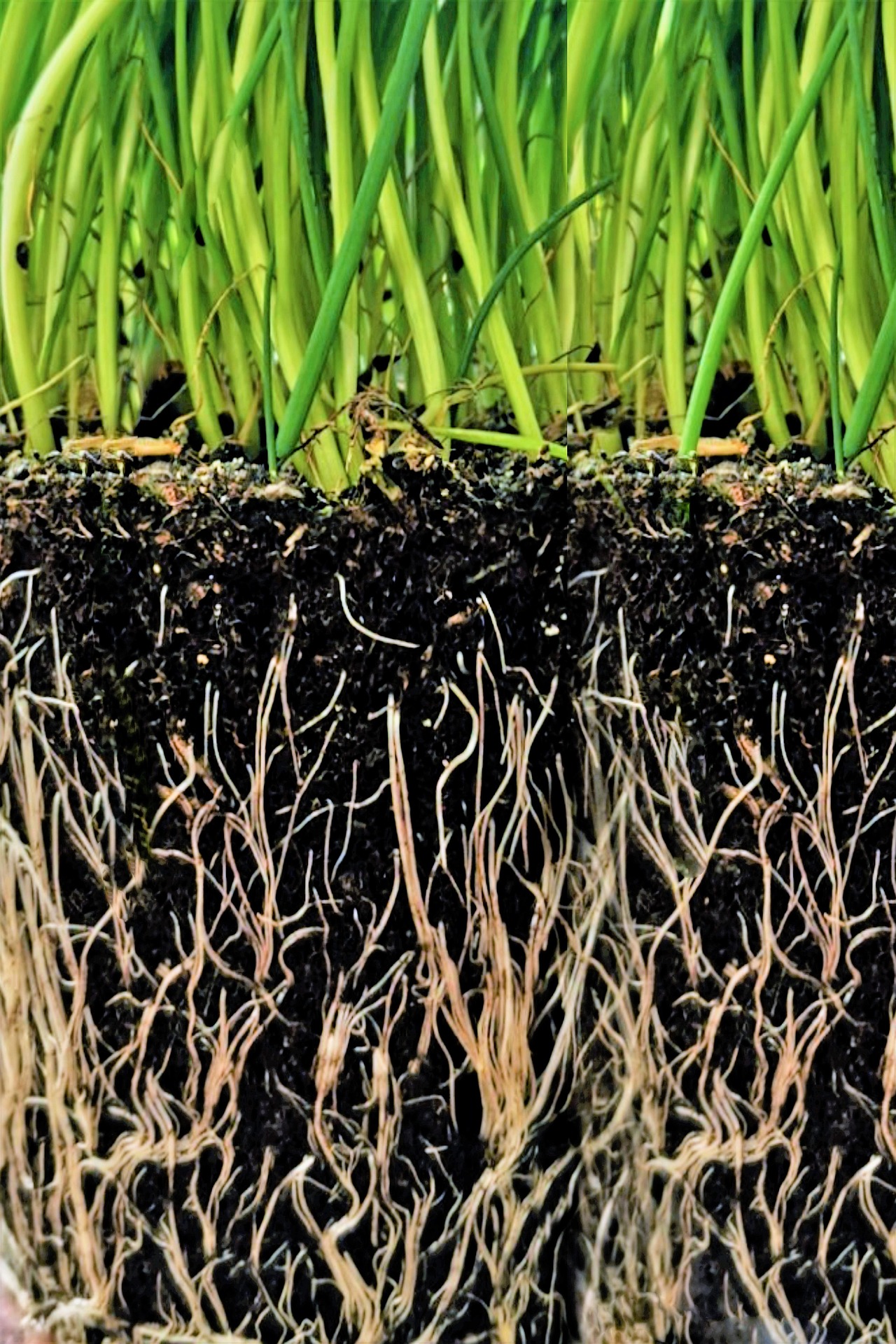
One of the most important things to understand about AXXE is that it is a contact herbicide, not a systemic herbicide. It only controls the plant tissue that it touches.
This means:
- Excellent control of young annual weeds.
- Fast burn-down of emerged vegetation.
- Often requires repeat applications on perennial weeds with extensive root systems.
- Thorough spray coverage is critical for best results.
Does AXXE Leave Residues in Soil?
One of AXXE’s key advantages is that it is considered non-residual. The active ingredient breaks down relatively quickly and does not provide long-term soil weed control. It also does not migrate through the soil profile.
This characteristic makes it useful for:
- Landscape beds
- Patios and walkways
- Vegetable gardens
- Pre-plant weed control situations
What Weeds Does AXXE Control?
AXXE is labeled for control or suppression of many common weeds, including:
- Chickweed
- Spurge
- Oxalis
- Plantain
- Mustards
- Bittercress
- Groundsel
- Various annual grasses
- Mosses
Like most contact herbicides, it performs best on small, actively growing weeds before they become mature and deeply rooted.
Where Can AXXE Be Used?
According to the product label, AXXE can be used in a wide variety of settings, including:
- Landscape beds
- Turf areas – with great care as it will kill the turf grass it contacts
- Around buildings and structures
- Walkways and driveways
Because it is non-selective, care must be taken to avoid contact with desirable plants, flowers, shrubs, and turfgrass. Any green tissue contacted by the spray can be injured.
The Bottom Line
AXXE Broad Spectrum Herbicide offers a fast-acting, non-selective weed control option based on ammonium nonanoate, a soap-based fatty acid herbicide. It works by disrupting plant cell membranes, causing rapid desiccation and visible burn-down of weeds. Because it is a contact herbicide with no significant residual activity in the soil, it is particularly useful for landscapes, gardens, and sites where quick vegetation control is desired.
For landscape contractors like us, AXXE can be an effective tool when applied to young, actively growing weeds and when complete spray coverage is achieved.