When it comes to creating stylish, lush, and architecturally interesting interior landscapes, Aralia plants have become quiet superstars. Their sculptural trunks, elegant foliage, and compact habits make them ideal for offices, lobbies, modern homes, and hospitality spaces.
Two cultivars stand out in today’s interiors:
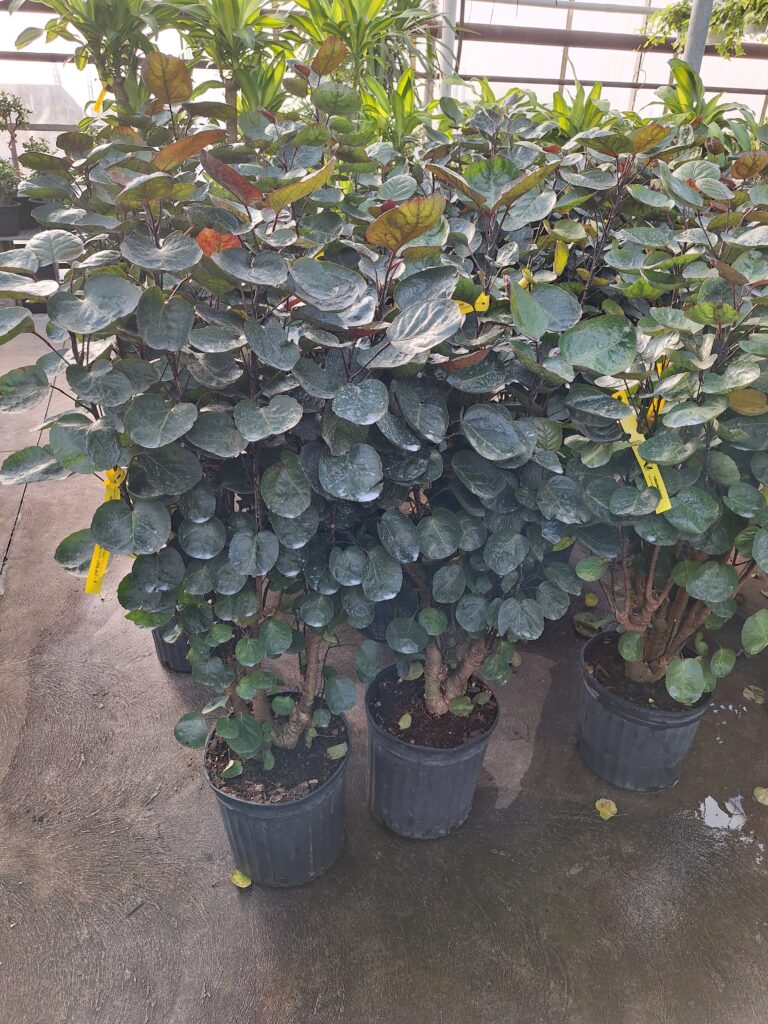
- Aralia ‘Fabian’ (often sold as Polyscias scutellaria ‘Fabian’)
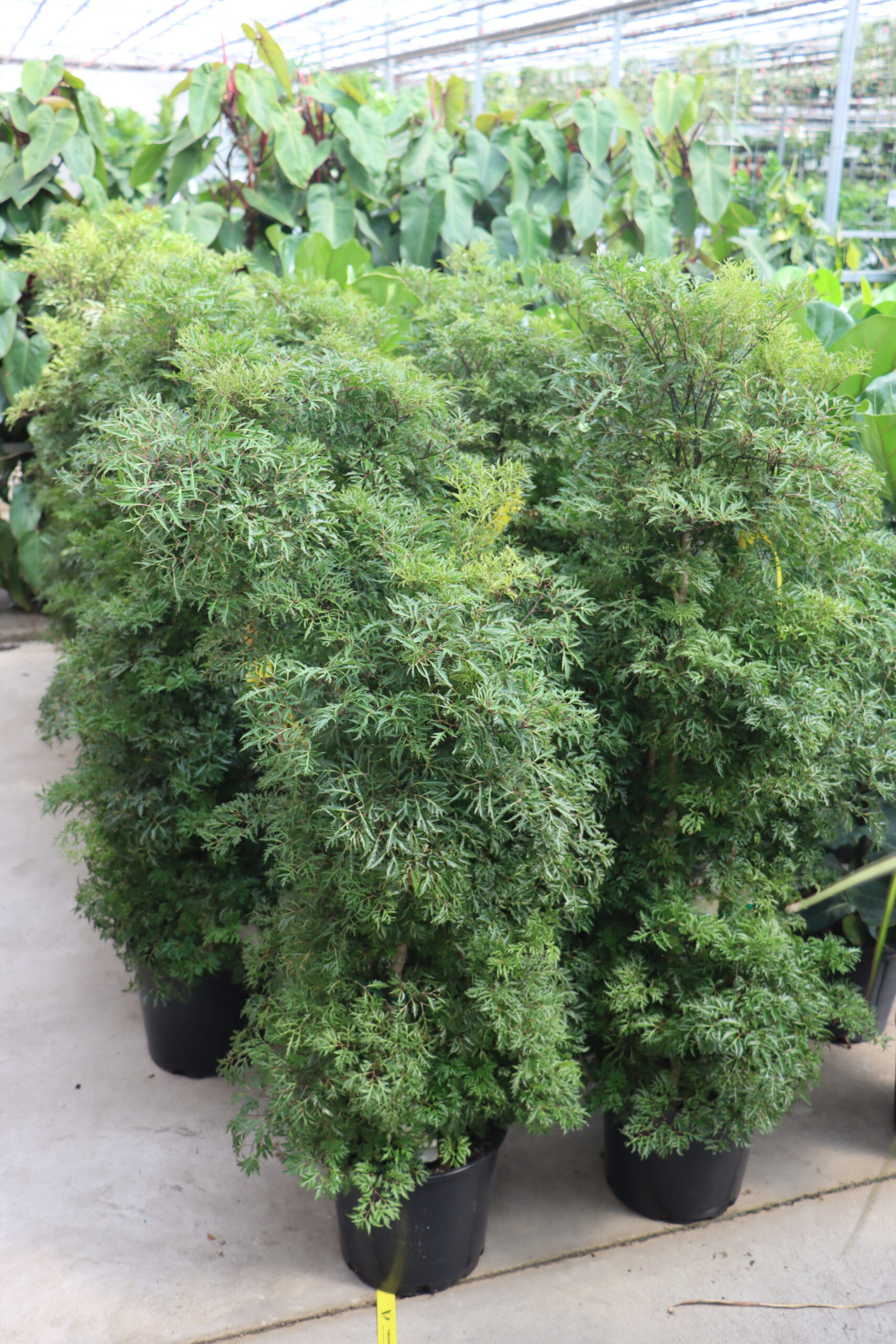
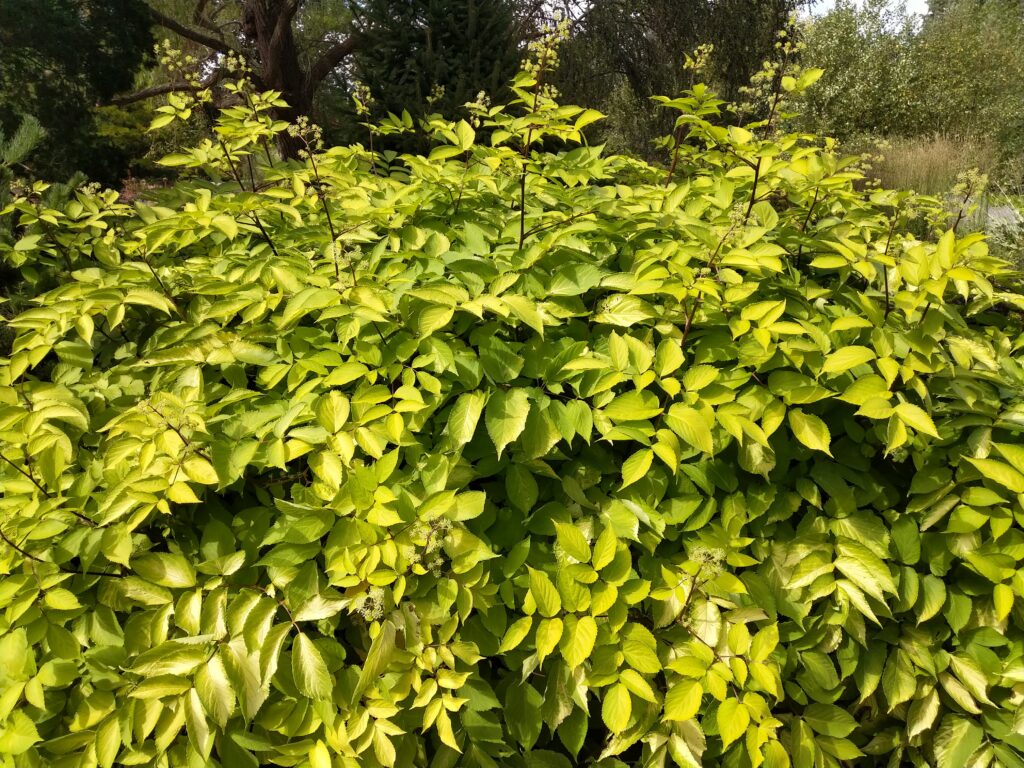
- Aralia ‘Ming Gold’ (a golden, airy form of Polyscias fruticosa)
Both bring a distinctly tropical yet refined energy to indoor spaces—perfect for biophilic design and contemporary interiors.
Where Do Aralia ‘Fabian’ and ‘Ming Gold’ Come From?
Although we call them “Aralia,” both cultivars actually belong to the Polyscias genus. These plants are native to Southeast Asia and the Pacific Islands, especially:
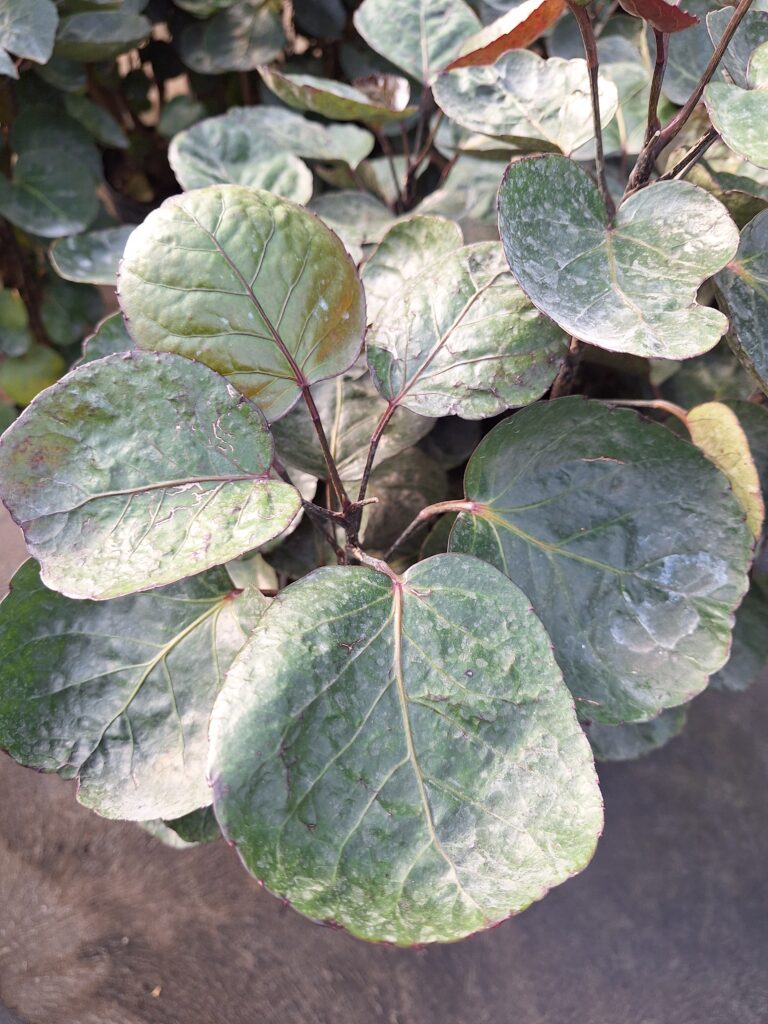
- Polyscias scutellaria (‘Fabian’) – Indigenous to Indonesia, Polynesia, and the Pacific basin
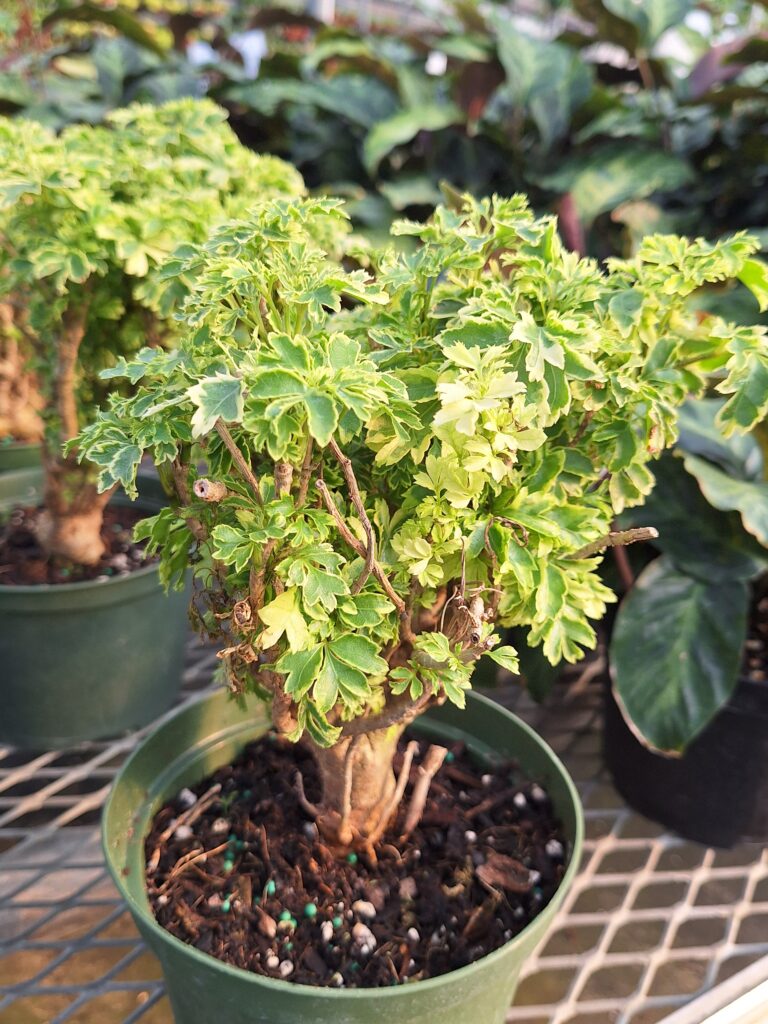
- Polyscias fruticosa (‘Ming Gold’) – Native to India, Southeast Asia, and Vietnam
In their natural habitat, they grow as small understory shrubs or small trees, developing the strong upright forms we prize in interior landscaping.
Why Aralias Fit Beautifully Into Interior Landscapes
Aralias are increasingly popular among interior landscapers because they offer:
✔ Architectural Form
Their woody trunks and upright branching create a tree‑like presence without needing much horizontal space.
✔ High Aesthetic Value
- ‘Fabian’: round, dark glossy leaves with a rich burgundy underside
- ‘Ming Gold’: fine, lacy foliage with fresh golden‑green tones
✔ Compact Growth
Perfect for offices, condos, small lobbies, and tight reception areas.
✔ Tolerance for Indoor Conditions
They handle lower‑light environments better than many “true” trees used indoors.
Care Guide for Aralia ‘Fabian’ and ‘Ming Gold’
Light Requirements
Bright, indirect light is ideal.
- ‘Fabian’ tolerates medium light better than most indoor trees.
- ‘Ming Gold’ needs brighter light to maintain its colour and density.
Avoid direct afternoon sun on either cultivar—it can burn the foliage.
Watering
Aralias prefer to be kept evenly moist but never wet.
- Water when the top 25–30% of the soil feels dry.
- They dislike sudden changes in moisture; consistency is key.
- Avoid letting them dry out completely—leaf drop will follow.
Humidity
Moderate indoor humidity (40–60%) keeps them happiest.
- In dry office environments, occasional misting or a pebble tray helps.
- They respond well to placement near other plants to share moisture.
Temperature
Ideal range: 18–24°C (65–75°F)
Avoid drafts, vents, or cold entryways.
Soil & Fertilizer
- Use a well‑draining tropical plant mix.
- Feed monthly in spring and summer with a balanced liquid fertilizer.
- Reduce feeding in fall and winter.
Pruning & Shape Control
- Light pruning maintains shape and encourages new growth.
- Remove leggy or crossing branches to preserve their architectural form.
Best Places to Use Aralia in Interior Landscaping
🌿 Office Reception Areas
Their upright, tree‑like form creates a sense of arrival and sophistication.
🌿 Modern Living Rooms
They complement minimalist decor and add height without looking bulky.
🌿 Conference Rooms
Their sculptural silhouette softens hard lines and enhances biophilic design.
🌿 Hotels & Hospitality Spaces
Great for corners, corridors, or paired as symmetrical accents.
🌿 Open-Concept Workspaces
Use them as natural dividers—especially ‘Fabian’ with its dense canopy.
Pro tip: Aralia’s vertical growth makes them excellent where floorspace is limited but visual impact is needed.
Troubleshooting Common Issues
Yellow Leaves
- Usually caused by overwatering or low humidity.
Leaf Drop
Often triggered by:
- Sudden temperature shifts
- Underwatering
- Being moved too often
Sparse Growth
- Increase light—especially for ‘Ming Gold.’
Final Thoughts: Aralias Are Underrated Indoor Landscape Gems
With their tropical origins, stunning foliage, and beautifully upright growth habit, Aralia ‘Fabian’ and Aralia ‘Ming Gold’ deserve a place in more interior landscapes. They offer high visual impact with relatively low maintenance—perfect for designers, homeowners, and plant-service professionals looking to elevate indoor spaces.
What Do You Think?
Have you used Aralia plants in your interior landscapes?
Do you have questions about placement, care, or selecting between ‘Fabian’ and ‘Ming Gold’?
Leave a comment or ask your questions below—I’d love to hear from you!