Spring is here. What an odd year we are having. The COVID-19 isolation is hurting many people very profoundly. Our business is hurting. But I’ll tell you something. I would rather be hurting in my business than be sick – or worse. And I would rather be at home than run the possibility of infecting anyone else.
The province has added landscape maintenance to the list of essential services so starting this week we will be back to work. We have stringent safety measures in place. We will be as safe as possible for us and our customers.
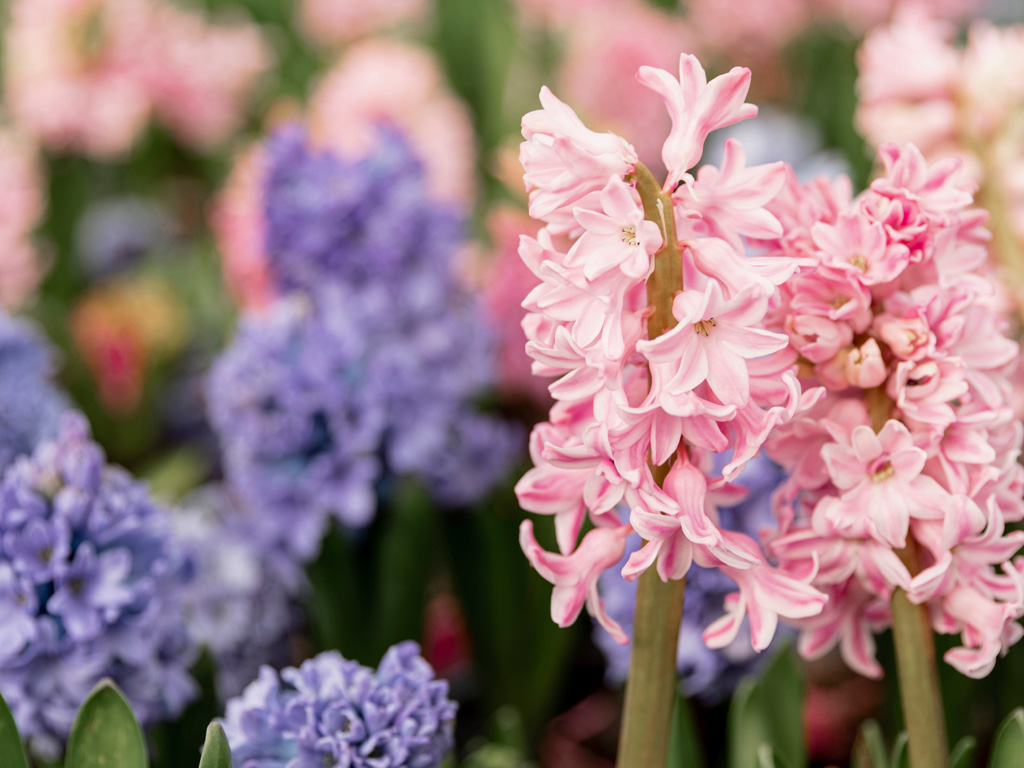
All that being said, Saturday was a beautiful day. My wife and I were able to get outside and do some of our own gardening. We have lots of spring bulbs up. Spring flowering bulbs are my favourite. I love ephemeral plants. They show their promise throughout the winter teasing us with green leaves. They flower and then go dormant waiting for next spring’s show.
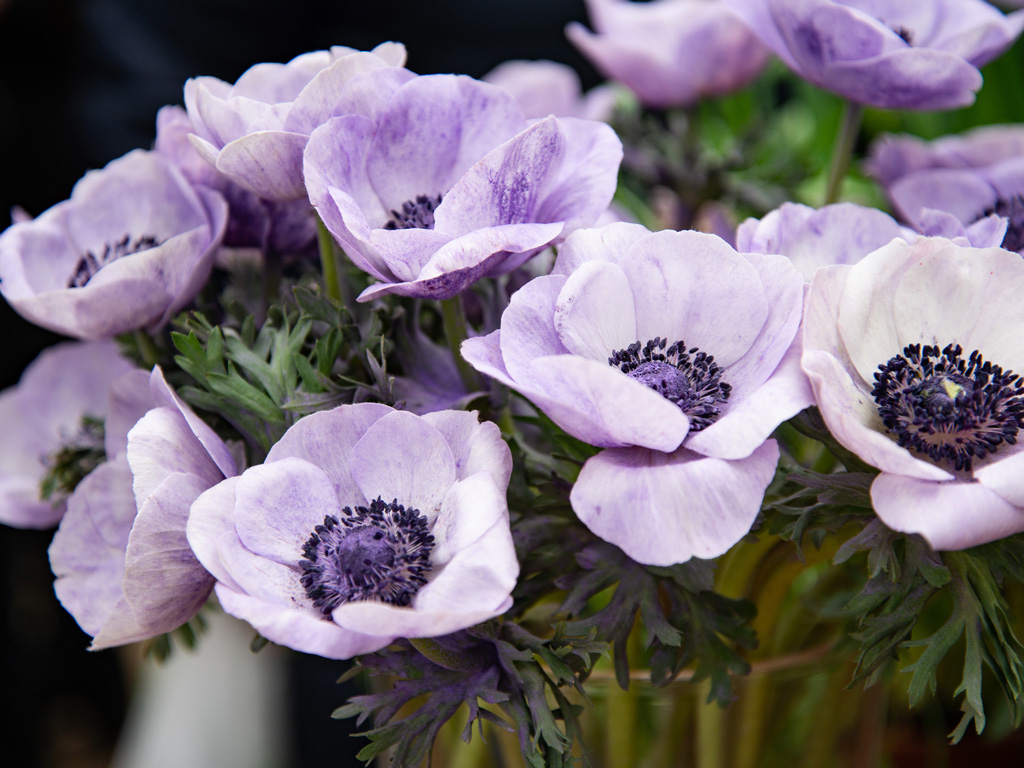
I love naturalizing bulbs in lawns. We plant minor bulbs like anemone and crocus and majors like tulips and narcissus right into turf. The bulbs come up and bloom in such an unusual place and then the lawn takes over for the rest of the season.
This weekend I had to coppice our Dwarf Arctic Willow – Salix purpurea ‘Nana’. Coppicing is a pruning technique that many think is poor practice. Essentially the plant is reduced to nubbins – that is a proper horticulture term by the way. The plant then grows one season and I prune it again next year.
Coppicing is done in many nurseries to stimulate lush new growth. The new growth is used to propagate new plants. From an ornamental standpoint, coppicing us used to make consistently lush growth. I would LOVE to make a hedge of a plant like Dwarf Arctic Willow and coppice each plant every spring. I believe the effect would be stunning! Lastly, I pruned our Dwarf Scots Pine – Pinus sylvestris ‘Nana’. I had let it go for the past few years and need to renovate it. I thinned it to remove dead wood, reduced the canopy size and pruned it to shape it. Later in May I will be pruning it again using a technique called “candling”. I’ll show you that when the time comes.
As always, if you have any questions please contact us.
Advice is always free!