Few ornamental trees provide as much year-round beauty as Amelanchier × grandiflora. Known as Serviceberry, Apple Serviceberry, or Hybrid Serviceberry, this exceptional small tree combines stunning spring flowers, edible berries, vibrant autumn foliage, and excellent wildlife value.
Whether planted as a specimen tree, incorporated into a woodland garden, or used in a mixed border, Amelanchier × grandiflora consistently ranks among the most desirable landscape plants for gardeners seeking beauty and functionality.
Origins and History
Amelanchier × grandiflora is a naturally occurring and cultivated hybrid between two North American native species:
- Amelanchier arborea (Downy Serviceberry)
- Amelanchier laevis (Allegheny Serviceberry)
The hybrid combines the best characteristics of both parents, including abundant flowers, improved vigour, attractive fruit, and outstanding fall colour. The species belongs to the Rosaceae (Rose Family), making it a relative of roses, apples, pears, cherries, and hawthorns.
The species name grandiflora means “large-flowered,” a reference to the showier blooms compared to many other serviceberries.
Several outstanding cultivars have become favourites in the nursery trade, including:
- ‘Autumn Brilliance’
- ‘Princess Diana’
- ‘Robin Hill’
- ‘Ballerina’
These selections offer improved flower display, fall colour, fruit production, and disease resistance.
Plant Description
Apple Serviceberry typically grows as:
- A large multi-stem shrub or small tree
- 4.5–7.5 m (15–25 ft.) tall
- 4.5–7.5 m (15–25 ft.) wide
- Rounded to upright growth habit
The plant is prized for its four distinct seasons of interest.
Spring
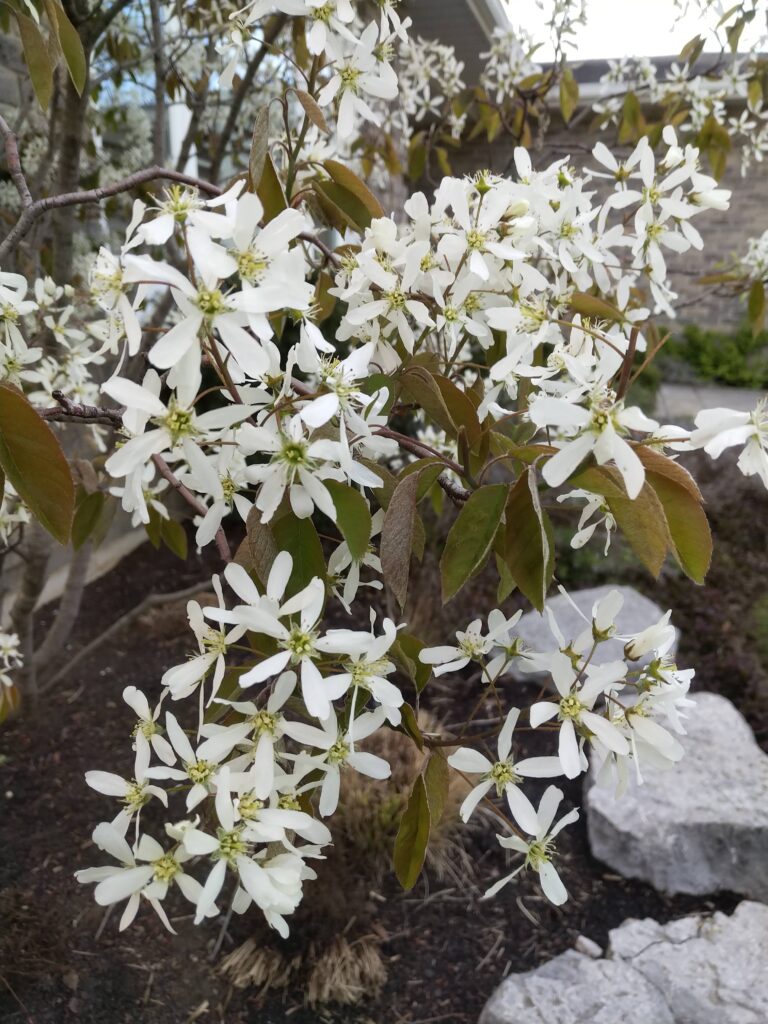
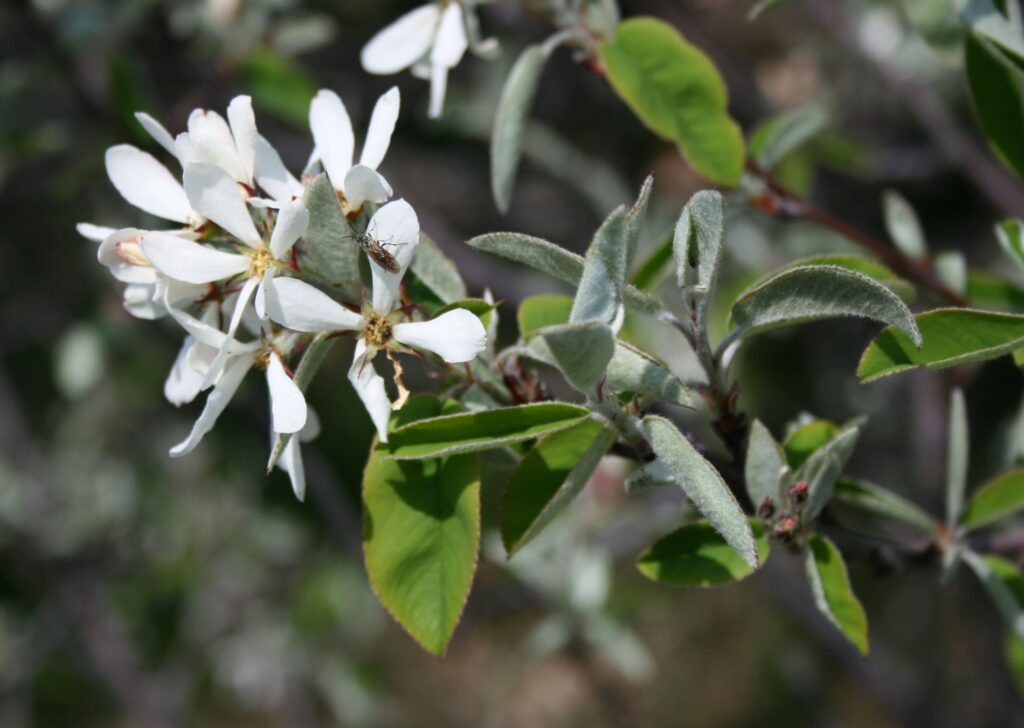
In early spring, before or as the leaves emerge, branches become covered in masses of delicate white flowers.
The blossoms:
- Appear in clusters
- Attract pollinators
- Create a dramatic display resembling white clouds
The flowers are among the earliest sources of nectar for bees and other beneficial insects.
Summer
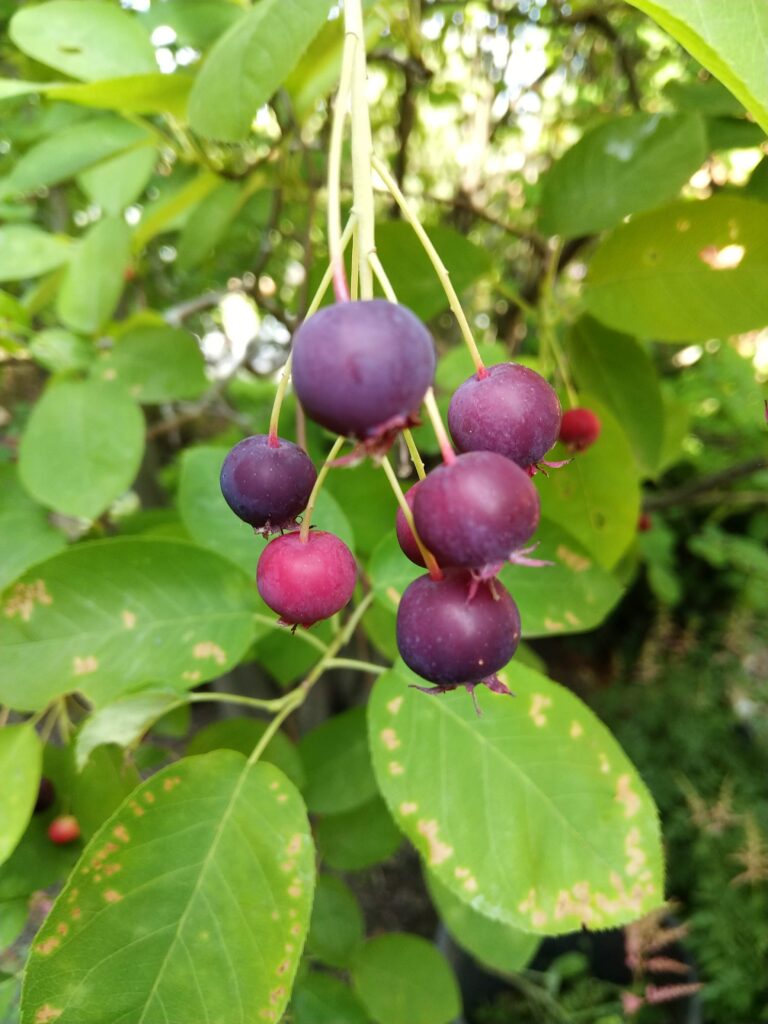
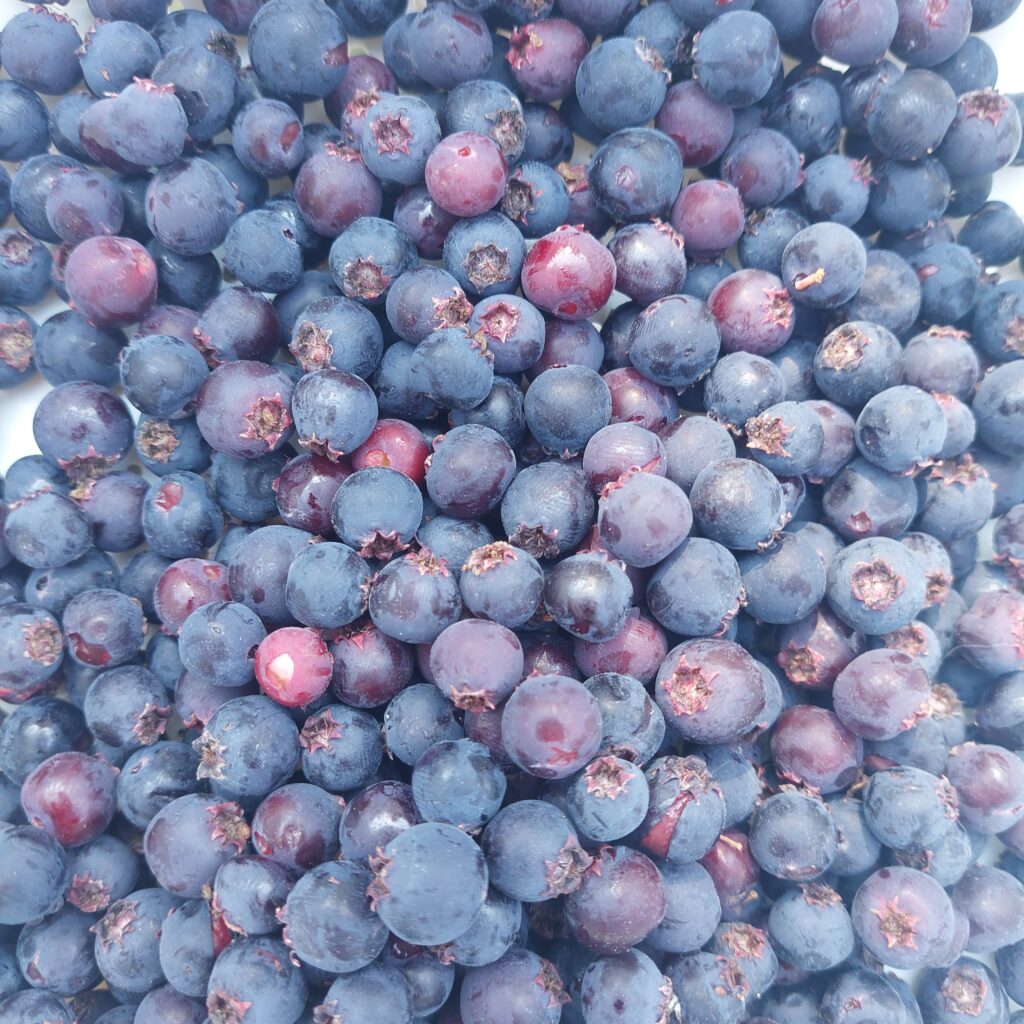
Following flowering, small edible fruits develop.
The berries:
- Mature from red to purple-black
- Resemble blueberries in flavour
- Can be eaten fresh
- Are excellent in pies, jams, jellies, and baking
Birds often harvest the crop before gardeners can.
Fall
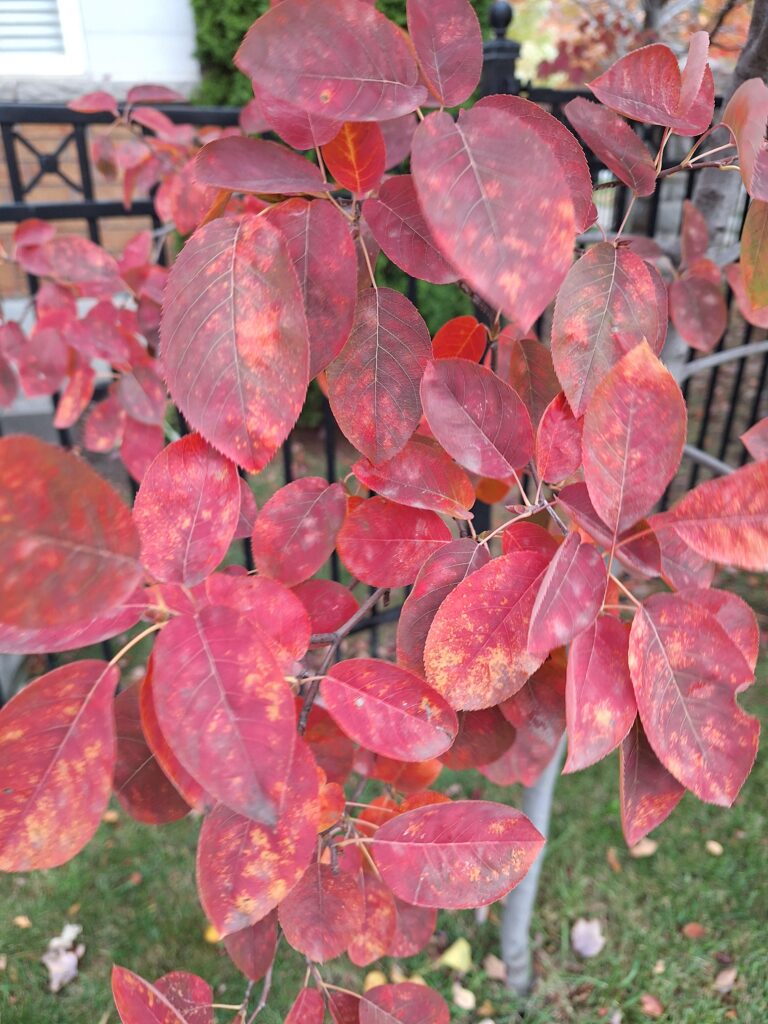
Autumn may be the tree’s most spectacular season.
Leaves turn brilliant shades of:
- Orange
- Scarlet
- Red
- Red-orange
Cultivars such as ‘Autumn Brilliance’ are especially famous for their intense fall colour.
Winter
Even after leaf drop, the attractive smooth gray bark and elegant branching structure provide winter interest.
Landscape Uses
Specimen Tree
Its moderate size makes it an ideal focal point in residential landscapes.
Woodland Gardens
As an understory tree, it naturally complements woodland settings and native plant gardens.
Pollinator Gardens
Early flowers provide nectar and pollen when many other plants have not yet bloomed.
Wildlife Gardens
Birds relish the fruit, making it an exceptional wildlife plant.
Naturalized Areas
Its native lineage makes it suitable for ecological restoration and naturalized landscapes.
Screening and Informal Hedges
Multi-stem forms can create attractive privacy screens and seasonal hedges.
Growing Conditions and Care
Sunlight
For best performance provide:
- Full sun to partial shade
- At least 6 hours of direct sunlight daily
Full sun generally produces heavier flowering, better fruiting, and more vibrant fall colour.
Soil Requirements
Apple Serviceberry prefers:
- Moist, well-drained soil
- Fertile loam
- Soil rich in organic matter
- Slightly acidic conditions
However, it is adaptable and tolerates a wide range of soil conditions once established.
Watering
Young trees require regular watering during establishment.
Best practices include:
- Deep watering rather than frequent shallow irrigation
- Maintaining consistent moisture
- Applying mulch around the root zone
Established trees possess moderate drought tolerance but benefit from supplemental irrigation during extended dry periods.
Fertilizing
Generally, serviceberries require little fertilization.
If growth appears weak:
- Apply compost annually
- Use a balanced slow-release fertilizer in spring
Avoid excessive nitrogen, which may increase susceptibility to certain diseases such as fire blight.
Pruning
Prune during late winter or early spring.
Remove:
- Dead wood
- Damaged branches
- Crossing limbs
- Suckers if a tree form is desired
Left unmanaged, serviceberries often develop attractive multi-stem forms.
Common Pests
Although considerably less troublesome than many ornamental trees, serviceberries can occasionally experience pest issues.
Aphids
Symptoms:
- Curled leaves
- Sticky honeydew
- Sooty mold
Control:
- Strong water spray
- Encourage beneficial insects
- Insecticidal soap if necessary
Spider Mites
Symptoms:
- Speckled foliage
- Webbing on leaves
Borers
More serious than most pests.
Symptoms:
- Branch dieback
- Wilting
- Reduced vigour
Healthy trees are much less susceptible.
Serviceberry Sawfly (Pear Slug)
Larvae feed on leaves and create a skeletonized appearance.
Diseases
Serviceberry is generally considered a low-maintenance tree, but several diseases may occasionally occur.
Fire Blight
A bacterial disease causing:
- Blackened shoots
- Wilted branches
- Burned appearance
Cedar-Serviceberry Rust
Symptoms include:
- Yellow-orange leaf spots
- Premature leaf drop
Powdery Mildew
Appears as a white coating on foliage.
Leaf Spot
Typically cosmetic but can reduce aesthetic appearance in wet years.
Fortunately, many popular cultivars demonstrate excellent resistance to serious disease problems.
Interesting Facts About Amelanchier × grandiflora
It Has Edible Fruit
The berries taste similar to blueberries with hints of almond and cherry.
Birds (and we) Love It
Cedar waxwings, robins, cardinals, and many other songbirds eagerly consume the fruit crop.
It’s a Four-Season Plant
Few ornamental trees provide attractive flowers, edible fruit, fall colour, and ornamental bark all in one package.
It Is Related to Apples
Being a member of the Rose Family, it shares ancestry with apples, pears, cherries, and roses.
The Name “Juneberry”
The fruit typically ripens in June throughout much of its range, leading to the common name “Juneberry.”
Indigenous Uses
Various Indigenous Peoples harvested serviceberries for food, often drying the fruit and incorporating it into traditional foods. The berries were valued for their sweetness and nutritional content.
Excellent for Pollinators
Its early flowers provide critical nectar and pollen resources for emerging bees in spring.
Why We Love Serviceberry
✅ Four-season interest
✅ Spectacular spring flowers
✅ Edible fruit
✅ Excellent fall colour
✅ Wildlife-friendly
✅ Pollinator-friendly
✅ Native heritage
✅ Small-tree size suitable for urban lots
✅ Adaptable and relatively low maintenance
For gardeners seeking a tree that provides beauty in every season while supporting birds and pollinators, Amelanchier × grandiflora is among the finest choices available.
Summary
Amelanchier × grandiflora is an award-worthy landscape tree that combines elegant white spring flowers, sweet edible berries, vibrant red-orange autumn foliage, and attractive winter structure. A hybrid of two North American native serviceberries, it thrives in full sun to partial shade and prefers moist, well-drained soils. With relatively few pest and disease issues, exceptional wildlife value, and year-round ornamental appeal, it remains one of the best small flowering trees for Canadian gardens and landscapes.