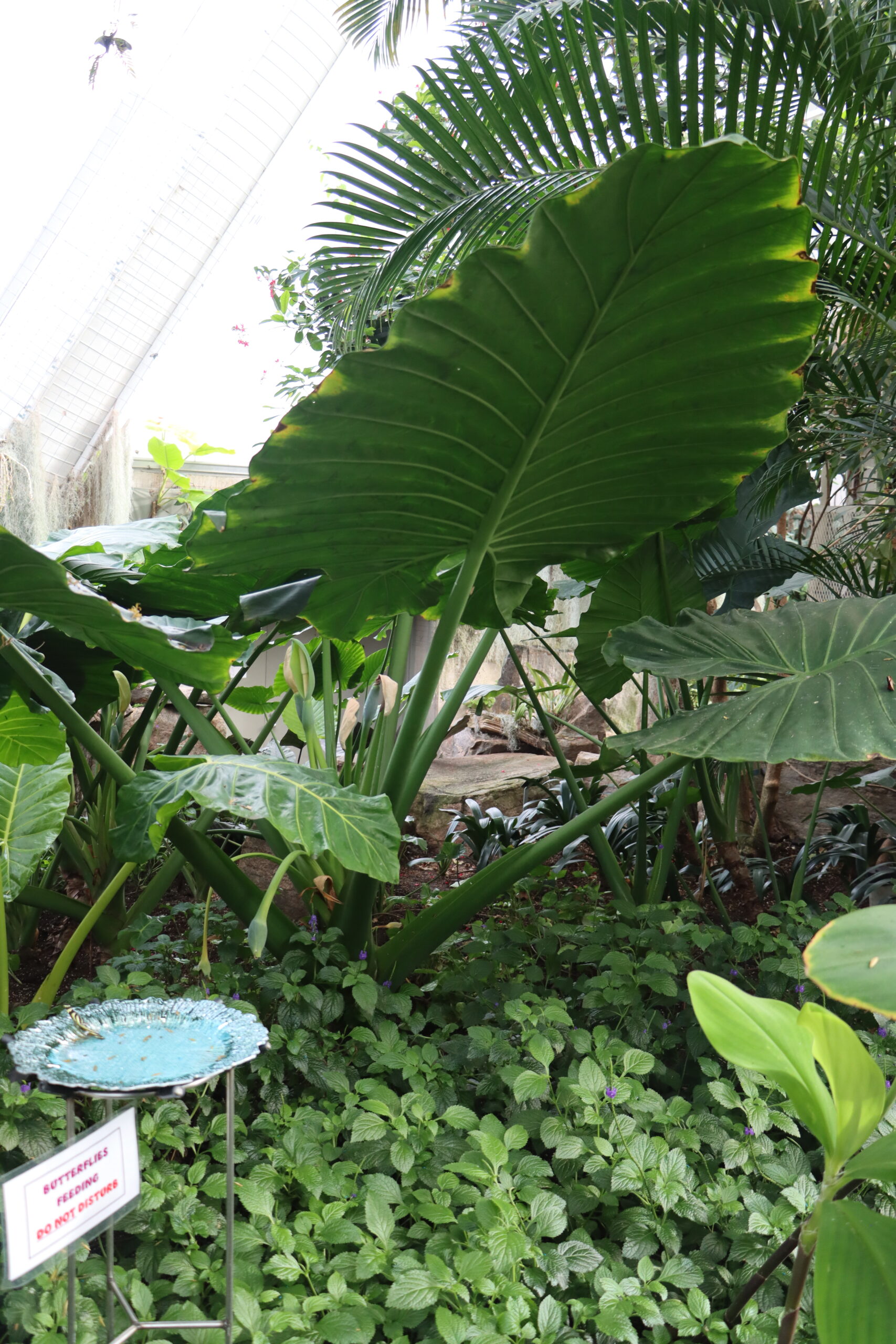
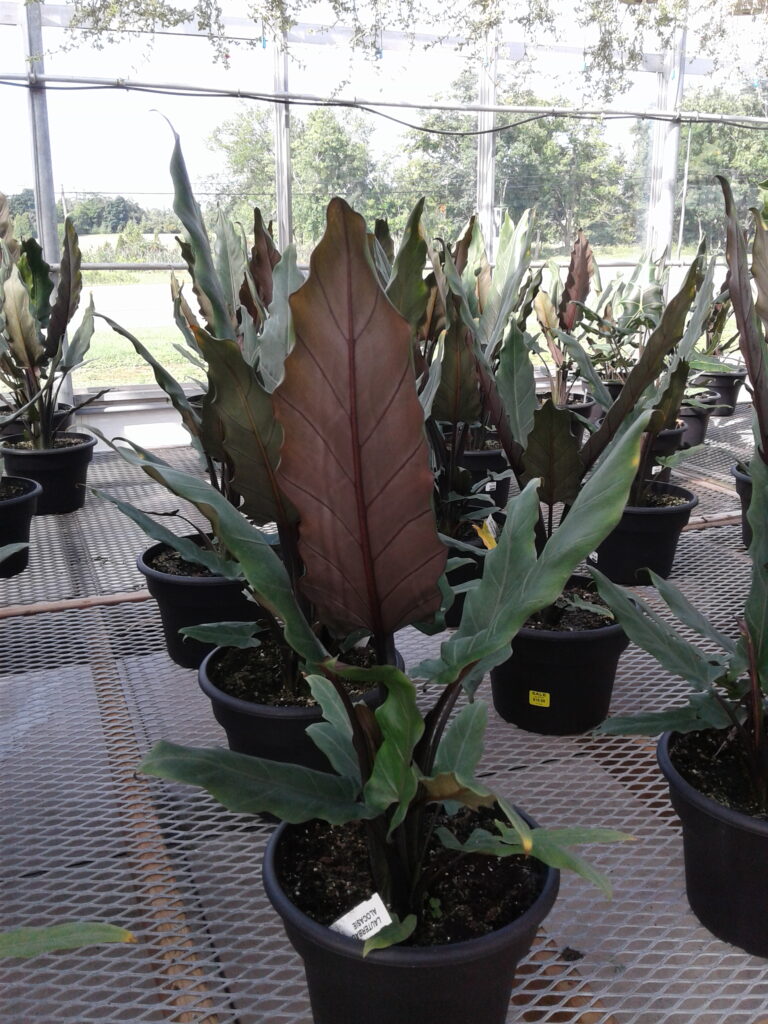
When it comes to creating bold, tropical statements in interior plant design, few genera rival Alocasia. Known for their dramatic foliage and architectural presence, Alocasias—often called Elephant Ears—bring a sense of lush sophistication to any space. Among these stunning varieties, one stands out for its elegance and unique coloration: Alocasia lauterbachiana, commonly known as the Purple Sword.
About Purple Sword
Native to the tropical rainforests of Southeast Asia, particularly New Guinea and the Philippines, this plant thrives in warm, humid environments under filtered light. Its long, narrow leaves with deep purple undersides make it a favorite for designers seeking a modern, exotic vibe.
Where to Use It
Purple Sword is ideal for:
- Office lobbies and hotel lounges as a bold focal point.
- Residential living rooms for a tropical accent.
- Grouped arrangements with other tropical plants or as a standalone feature in decorative urns.
Its upright growth habit and dramatic foliage make it perfect for spaces with bright, indirect light and controlled humidity.
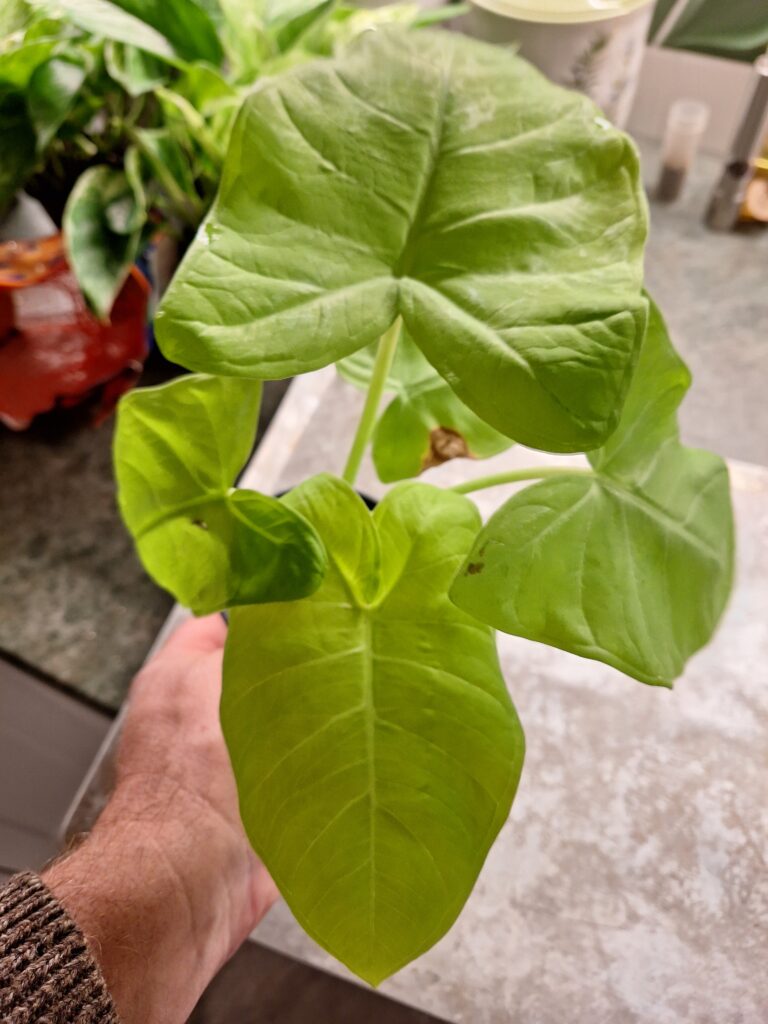
Caring for Alocasia lauterbachiana
- Light: Bright, indirect light is best. Avoid harsh direct sun.
- Water: Keep soil evenly moist but never soggy. Let the top inch dry before watering.
- Humidity: Loves high humidity—mist regularly or use a humidifier.
- Temperature: Maintain above 18°C (65°F). Protect from drafts.
- Fertilizer: Feed monthly during the growing season with a balanced liquid fertilizer.

Common Issues
- Spider mites and aphids in low humidity.
- Root rot from overwatering or poor drainage.
- Leaf browning or drop due to inconsistent watering or dry air.
- Toxicity: Alocasias are toxic to pets if ingested—use caution in pet-friendly spaces.

Why Choose Alocasia?
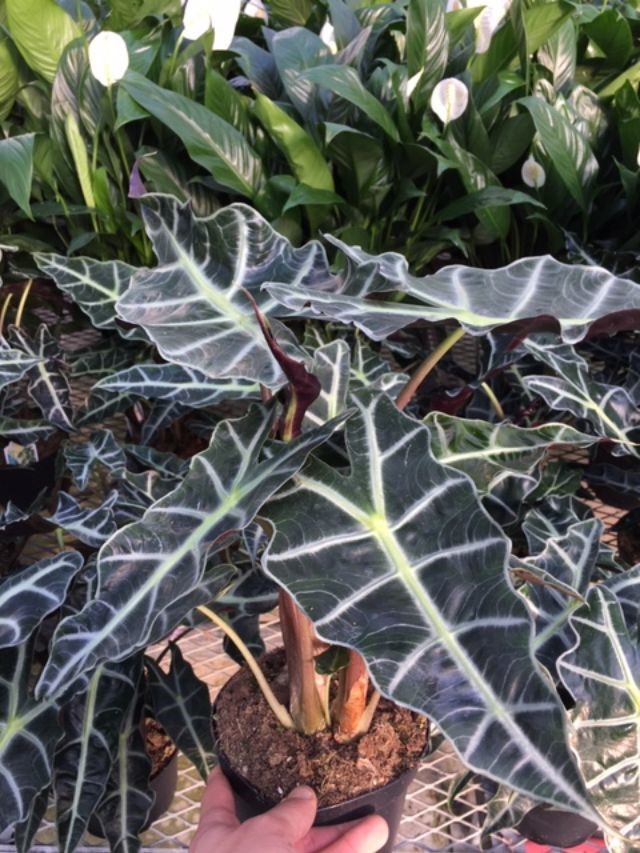
Beyond lauterbachiana, the Alocasia family offers incredible variety—from the bold Alocasia amazonica (African Mask Plant) to the striking Alocasia zebrina with its zebra-striped stems. Each brings a unique texture and form, making Alocasias a designer’s dream for creating lush, tropical interiors.
We’d Love Your Input!
Have you used Alocasia lauterbachiana or other Alocasia varieties in your designs or home? What challenges or successes have you had? Share your thoughts, questions, or tips in the comments—or reach out directly:
📧matt@verdantlandscaping..ca
📞 905-299-9403