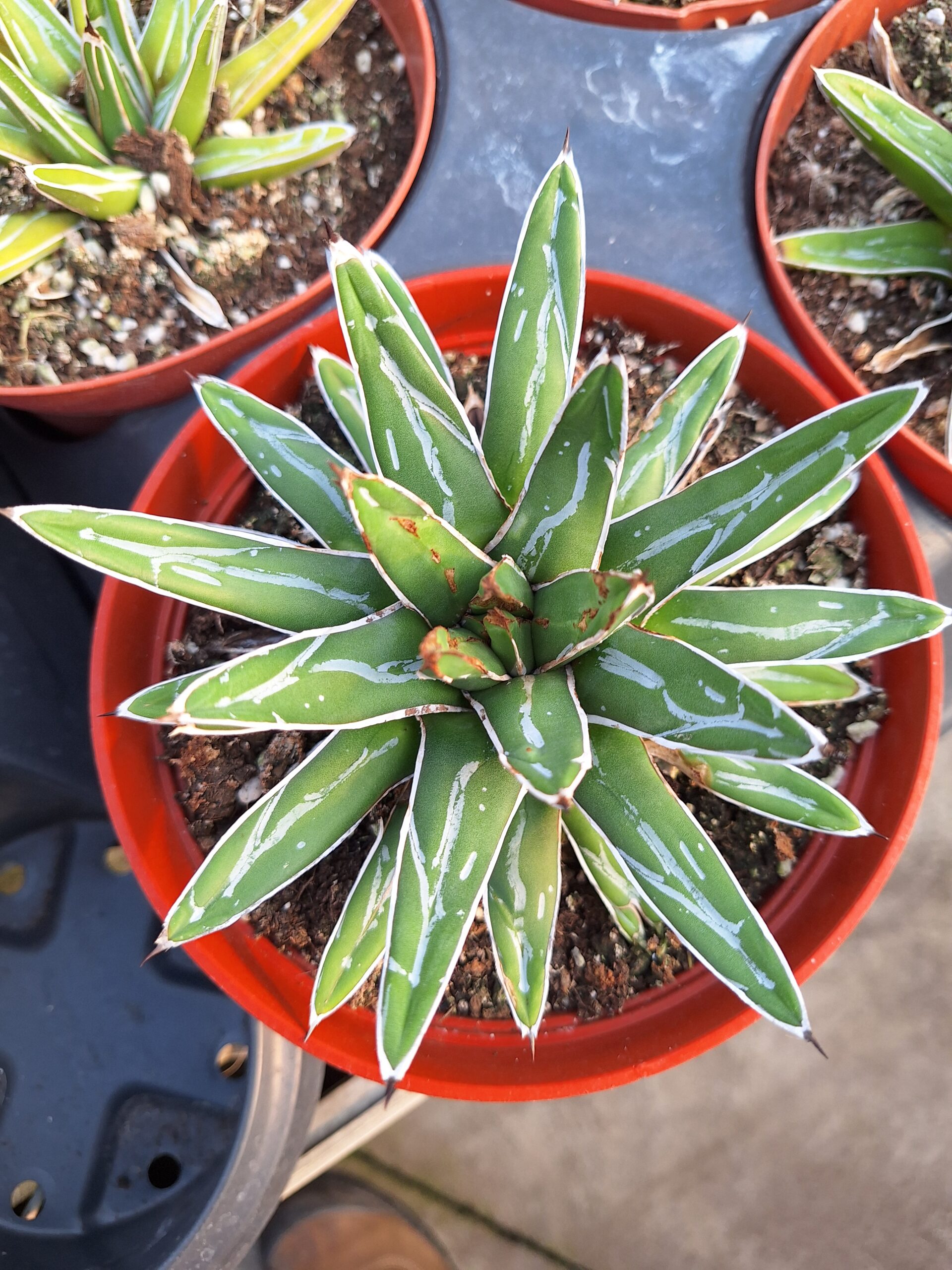
Agave victoriae‑reginae—commonly called Queen Victoria Agave or Royal Agave—is one of the most striking and sculptural succulents you can grow indoors. With its slow growth, compact size, and geometric white‑lined leaves, it’s a living piece of botanical art that fits beautifully into contemporary interiors, office settings, and minimalist plant collections.History & Botanical Background
Agave victoriae‑reginae was first described in the 19th century and formally named Agave victoriae‑reginae T. Moore (1875) in honor of Queen Victoria of the United Kingdom. The species epithet victoriae‑reginae literally means “of Queen Victoria.”
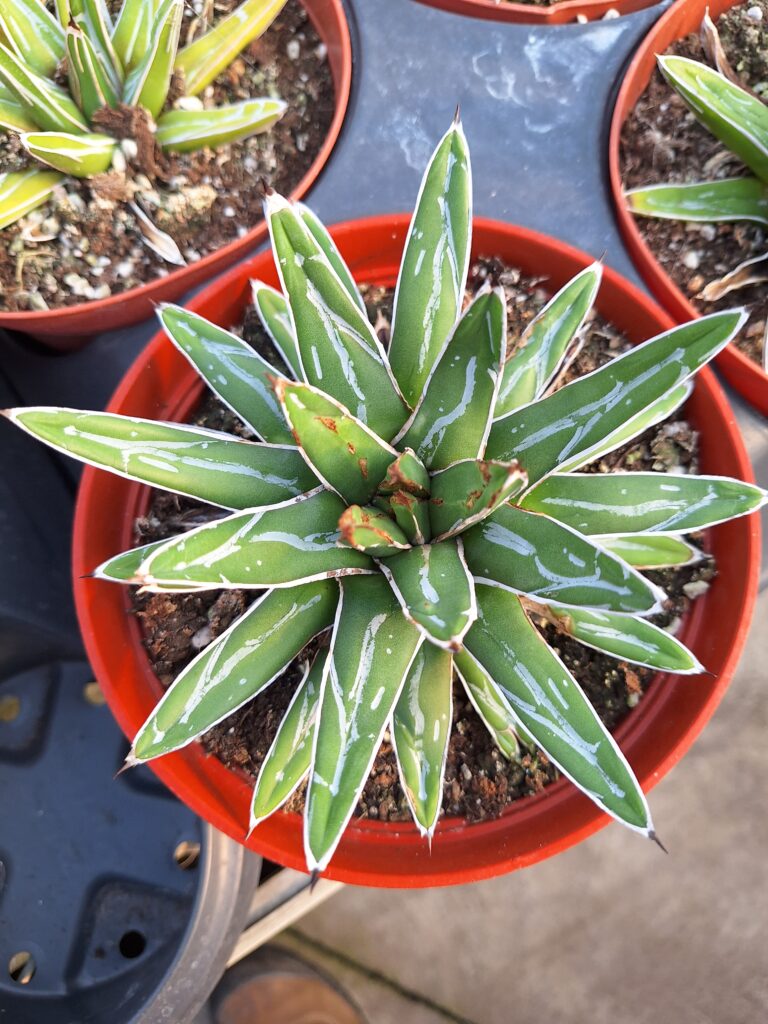
This royal naming is fitting—the plant’s form is classically architectural, with tight geometric rosettes and distinctive white markings that give it a regal, sculptured appearance. It has received numerous horticultural accolades, including the Royal Horticultural Society’s Award of Garden Merit for its reliability and beauty.
Origins: A Desert Jewel
Agave victoriae‑reginae is native to the Chihuahuan Desert of northern Mexico, specifically in the states of Coahuila, Durango, and Nuevo León. It grows on rocky, limestone slopes, where drainage is extremely sharp and rainfall is scarce.
These harsh origins explain many of the traits that make it such a resilient indoor plant today:
- Slow growth and long lifespan
- High drought tolerance
- Ability to thrive in bright, dry environments
- Naturally compact and container‑friendly form
Why It Makes a Great Interior Plant
- Compact, Architectural Form
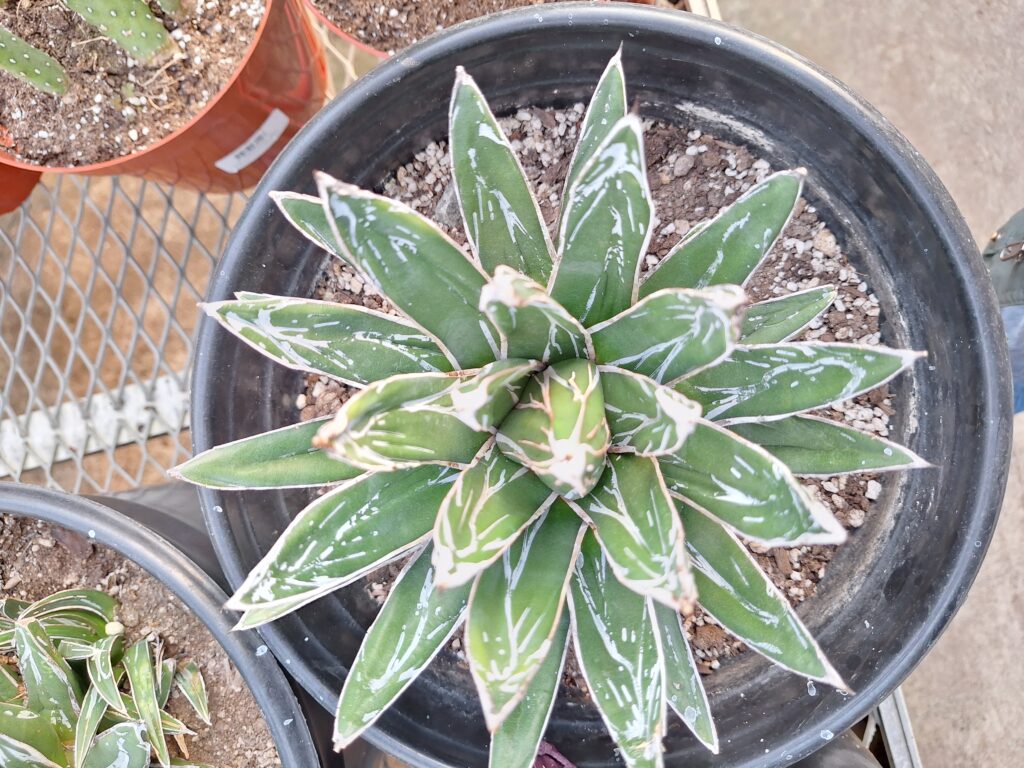
Agave victoriae‑reginae typically reaches 12–18 inches (30–45 cm) in height and width, forming a dense, symmetrical globe of angular leaves. This small footprint makes it ideal for desks, shelves, plant stands, and reception areas. [ownyardlife.com]
- Extremely Low‑Maintenance
This species is about as close to “no maintenance” as a plant can be—requiring very little water, no pruning, and only occasional repotting. It produces almost no leaf litter, making it perfect for interior spaces where tidiness matters.
- Long‑Lived & Slow‑Growing
A single plant can live 15 to 40 years, slowly developing its iconic form over time. It rarely outgrows its pot, which makes it ideal for long‑term indoor placements.
- Unique Visual Impact
Its dark green leaves etched with crisp white lines create a bold contrast that works beautifully with modern décor. Even plant beginners fall in love with its sculptural symmetry.
How to Care for Agave victoriae‑reginae Indoors
Light
Place the plant in bright, direct or bright indirect light. A south‑ or west‑facing window is ideal. Indoors, insufficient light may weaken its coloring or rosette tightness.
Soil
Use a very well‑draining mix—a cactus or succulent blend with added pumice, coarse sand, or gravel replicates its rocky native habitat. Avoid heavy or water‑retentive soils to prevent root rot. We use a product called Pro-Mix HP (High Porosity), it has a lot of perlite in it – perlite acts as sand in a soilless mix.
Watering
This agave is highly drought tolerant. Follow these indoor watering guidelines:
- Water only when the soil is fully dry.
- In winter, water sparingly—about once per month.
- Ensure your pot has excellent drainage; never let the plant sit in water.
Temperature
Indoors, normal household temperatures are ideal. It tolerates cool nights but should be protected from temperatures -6°C.
Fertilizer
Feed lightly—only a small amount of fertilizer in spring during the first two years is recommended.
Repotting
At most, repot every 2–3 years, or sooner if the plant becomes root‑bound. Always use fresh, gritty soil and a pot only slightly larger than the previous one. Repotting will likely not be necessary unless you are starting with a very small pot.
Propagation
Propagation is usually done by offsets (small pups) when available, or by seed—though plants may take decades to produce seeds.
Final Thoughts: A Living Sculpture for Any Interior
Agave victoriae‑reginae is a plant that brings both bold visual appeal and effortless care to indoor environments. Its slow growth, drought tolerance, compact size, and striking architecture make it one of the best agaves for interior design applications—whether you’re styling a modern home, office, or retail space.
If you want to have more information about tis agave or just talk plants, my email is matt@verdantinteriors.ca – 905-299-9403