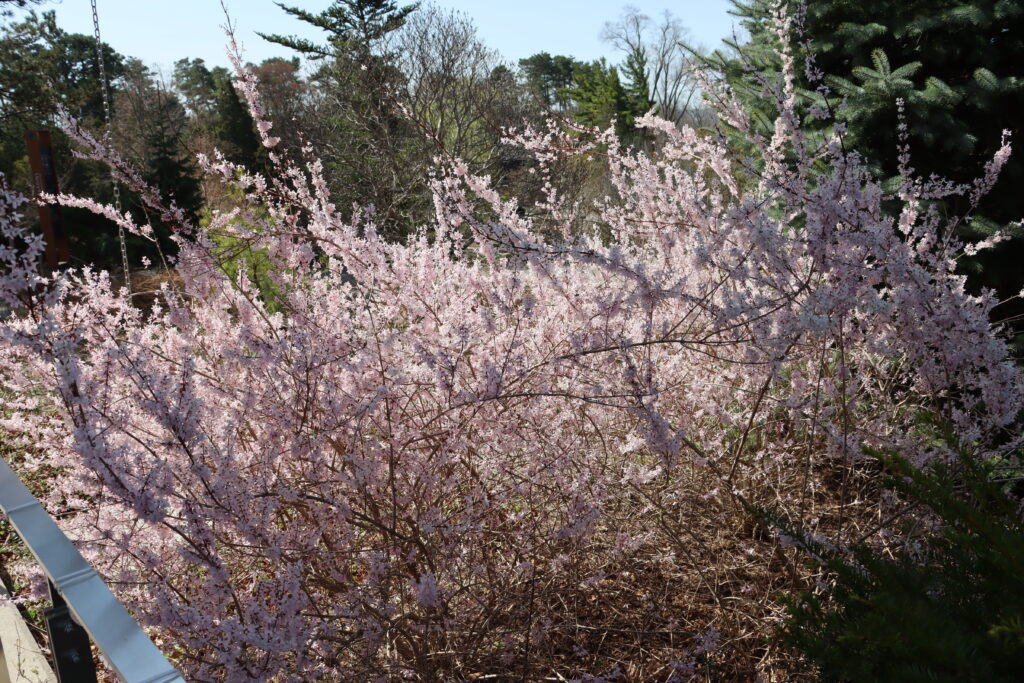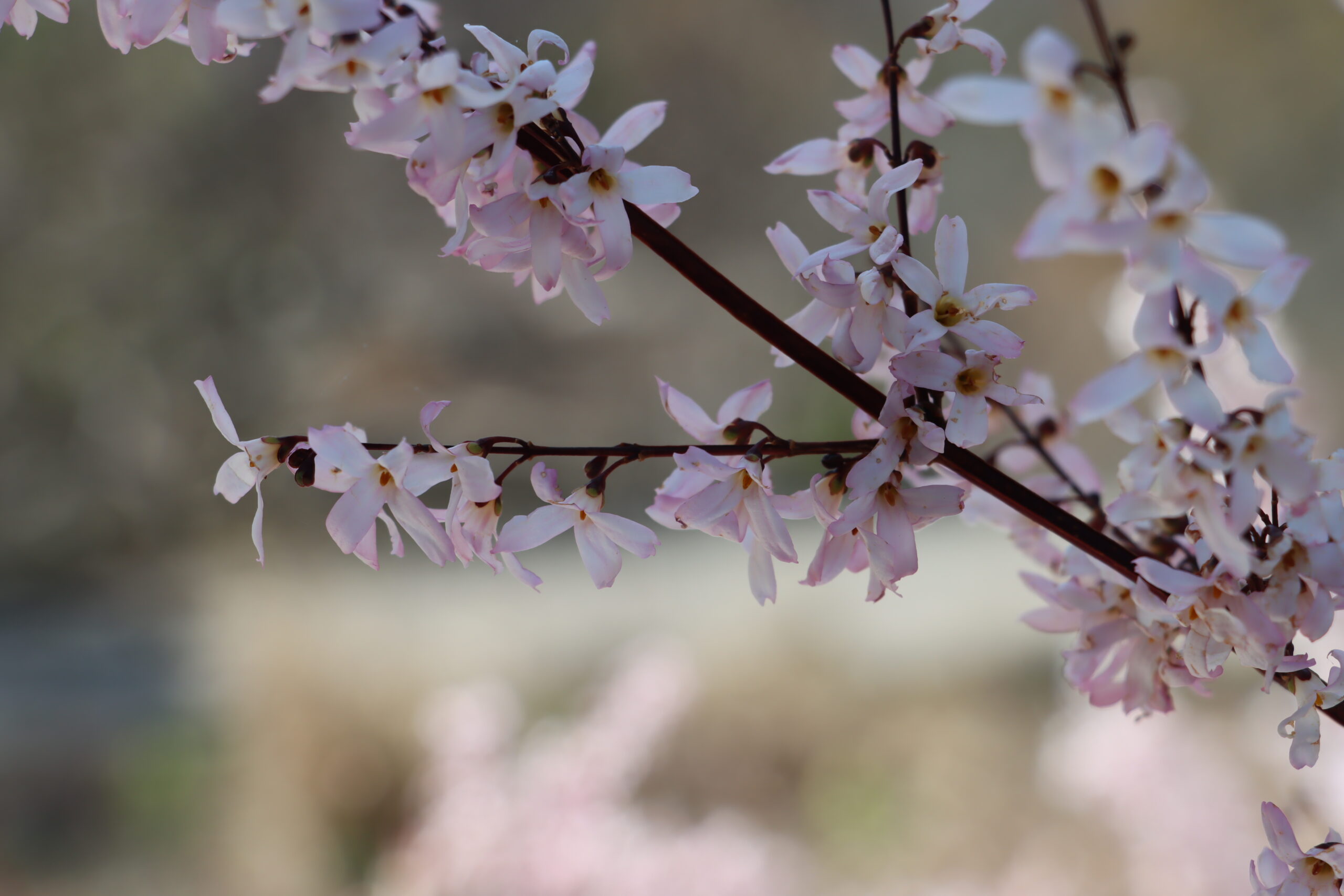
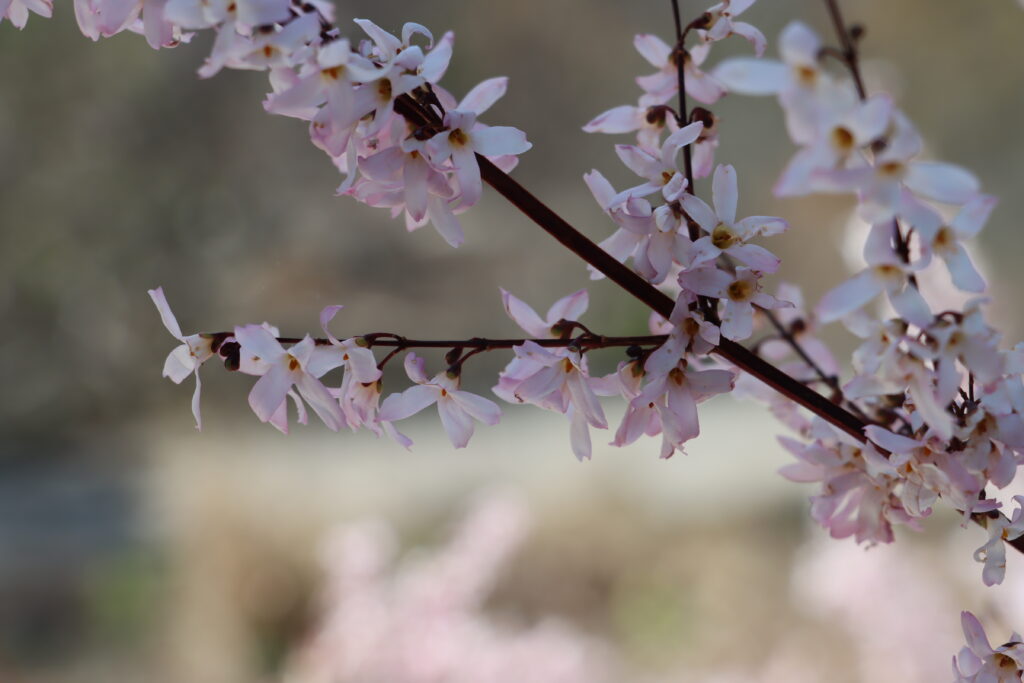
If you’re looking for a unique shrub to add charm and fragrance to your garden, Abeliophyllum distichum ‘Roseum Group’, commonly known as Korean Abelia or Pink False Forsythia, is a standout choice. This plant is prized for its delicate pink blooms and sweet scent that signals the arrival of spring.
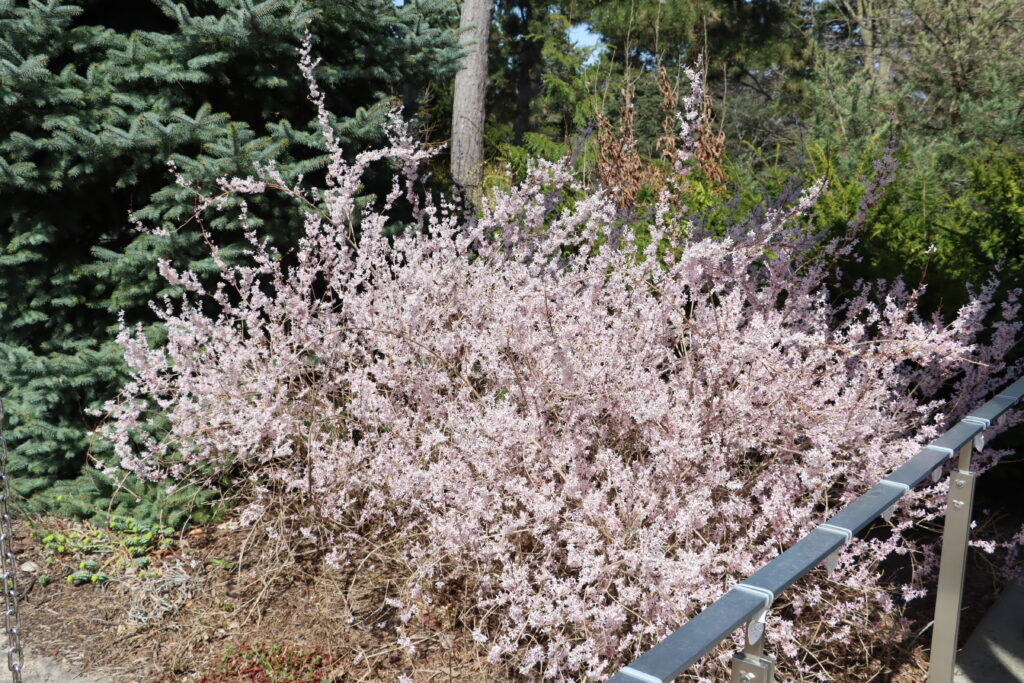
What Makes It Special?
- Early Blooms: Flowering in late winter to early spring, it brings color when most plants are still dormant.
- Fragrance: Its soft pink flowers emit a gentle, sweet aroma that enhances any outdoor space.
- Compact Size: Perfect for small gardens or as an accent shrub in larger landscapes.
Care Tips
- Light: Prefers full sun to partial shade for best flowering.
- Soil: Well-drained soil is essential; slightly acidic to neutral works best.
- Watering: Moderate watering—keep soil moist but not soggy.
- Pruning: Light pruning after flowering helps maintain shape and encourages next year’s blooms.
- Hardiness: Ideal for zones 5–8, making it suitable for many Canadian gardens.
Uses in the Landscape
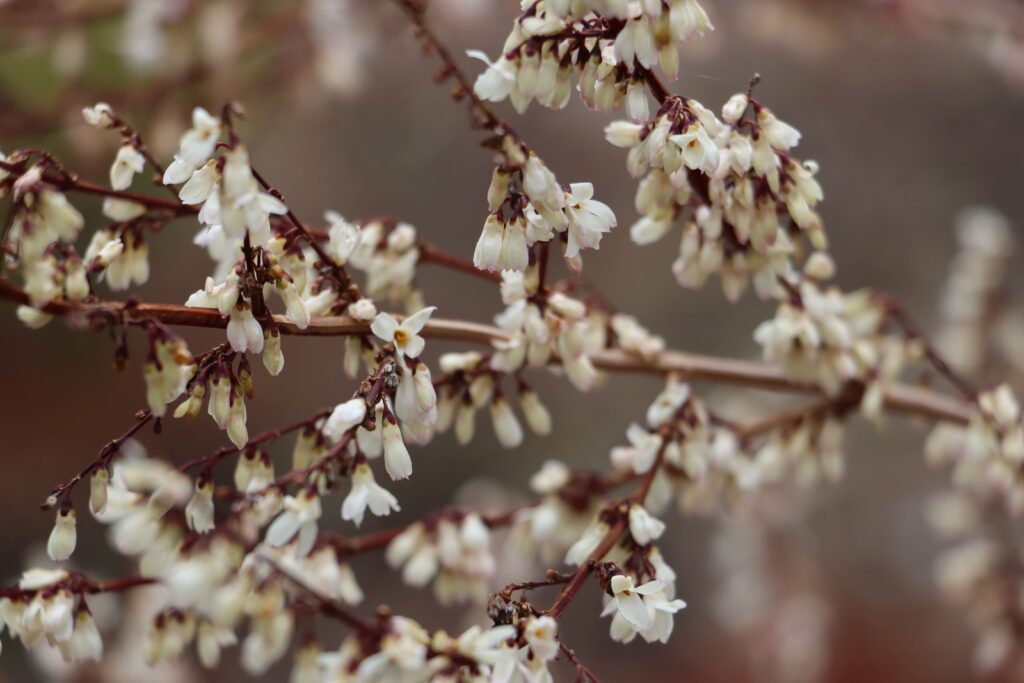
- Specimen Plant: Its early blooms make it a focal point in spring gardens.
- Mixed Borders: Combine with evergreens or other early bloomers for layered interest.
- Cut Flowers: The fragrant branches are excellent for indoor arrangements.
📩 Have questions or want to add this beauty to your landscape?
Reach out to Matt at Matt@Verdantlandscaping.ca or call 905-299-9403. We’d love to help you create a garden that turns heads year-round!