We are asked every autumn about “Should I prune my now?”, and without know what type of hydrangea we are being asked about, we cannot answer properly. So…….
Hydrangeas are among the most popular flowering shrubs in Canadian gardens, but they are also among the most misunderstood when it comes to pruning. Many gardeners either prune at the wrong time or avoid pruning altogether because they fear removing next year’s flowers.
The secret is understanding which type of hydrangea you have. Most landscape hydrangeas fall into three main groups, each with different pruning requirements:
- Paniculate Hydrangeas (Hydrangea paniculata)
- Smooth Hydrangeas (Hydrangea arborescens)
- Bigleaf Hydrangeas (Hydrangea macrophylla)
There are also a few specialty hydrangeas, such as oakleaf and climbing hydrangeas, that require different management.
- Paniculate Hydrangeas (Hydrangea paniculata)
Common varieties:
- Limelight
- Little Lime
- Bobo
- Pinky Winky
- Quick Fire
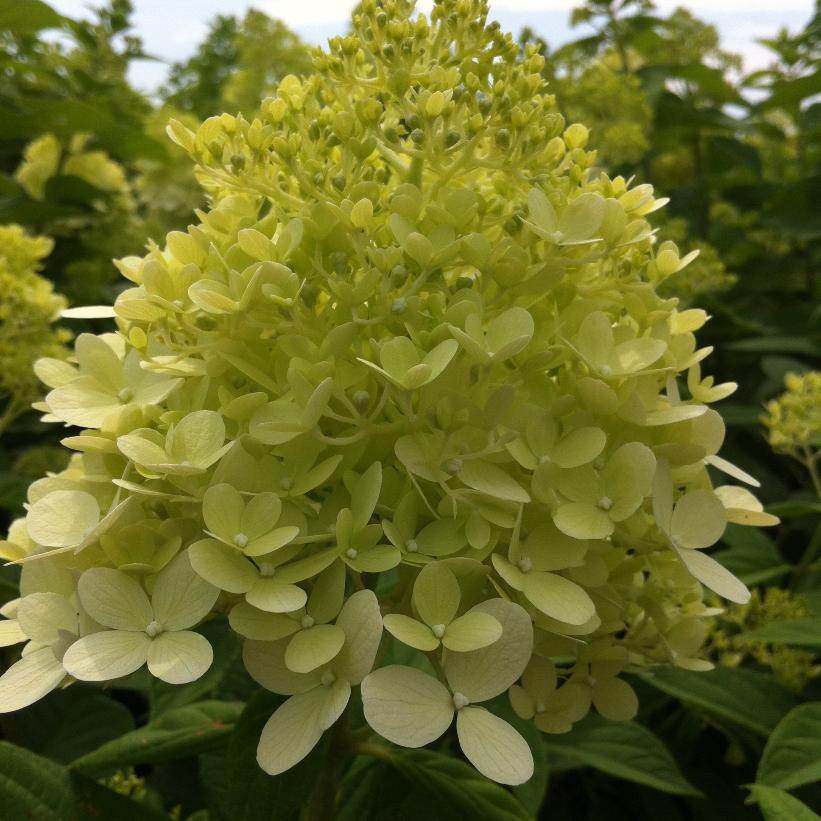
These are among the easiest hydrangeas to grow and maintain in Ontario. They are known for their large cone-shaped flower clusters that emerge white and often age to shades of pink.
How they bloom
Paniculate hydrangeas bloom on new wood, meaning flower buds are produced on the current season’s growth.
When to prune
Late winter or early spring before new growth begins.
How to prune
- Remove dead, damaged, and crossing branches.
- Reduce last year’s growth by approximately one-third to one-half.
- Maintain a strong framework of branches.
Because they flower on new wood, you can prune them fairly aggressively without sacrificing blooms.
Common mistake
Many gardeners worry about removing flower buds. Since the flowers develop on new growth, spring pruning will not reduce flowering and can actually improve flower size and stem strength.
- Smooth Hydrangeas (Hydrangea arborescens)
Common varieties:
- Annabelle
- Incrediball
- Invincibelle Spirit
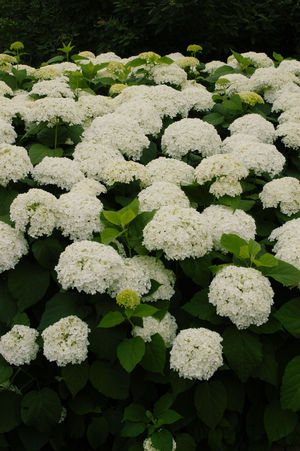
These hydrangeas produce large, round flower heads and are prized for their reliability and winter hardiness.
How they bloom
Like paniculate hydrangeas, they bloom on new wood.
When to prune
Late winter or early spring.
How to prune
There are two accepted approaches:
Option 1: Hard pruning
- Cut stems back to 15 to 30 cm (6 to 12 inches) above the ground.
This encourages larger blooms but can sometimes produce weaker stems that flop under the weight of the flowers.
Option 2: Structural pruning
- Remove dead stems.
- Leave a framework of stems 45 to 60 cm (18 to 24 inches) high.
This often results in stronger stems and better plant structure.
Common mistake
Cutting them back too late after growth has started can waste the plant’s stored energy and delay development.
- Bigleaf Hydrangeas (Hydrangea macrophylla)
Common varieties:
- Endless Summer
- BloomStruck
- Nikko Blue
- Let’s Dance series
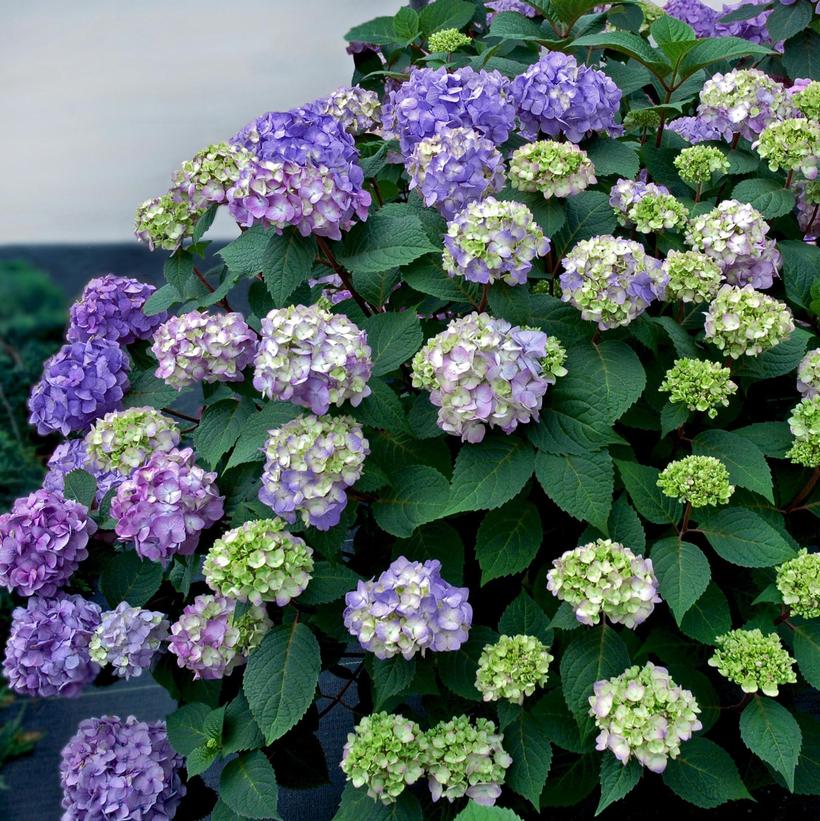
These are the hydrangeas famous for producing blue, pink, or purple flowers depending on soil chemistry.
How they bloom
Traditional macrophylla hydrangeas bloom on old wood. Their flower buds are formed during the previous growing season and overwinter on the stems.
When to prune
Immediately after flowering if pruning is necessary.
How to prune
- Remove only dead stems in spring.
- Avoid cutting healthy stems unless shaping the plant.
- After flowering, selectively remove a few of the oldest canes to encourage renewal.
Common mistake
Pruning in fall, winter, or early spring often removes flower buds and results in little or no flowering that season.
A note about reblooming varieties
Newer cultivars such as Endless Summer® bloom on both old and new wood. While they are more forgiving, it is still best to avoid hard pruning.
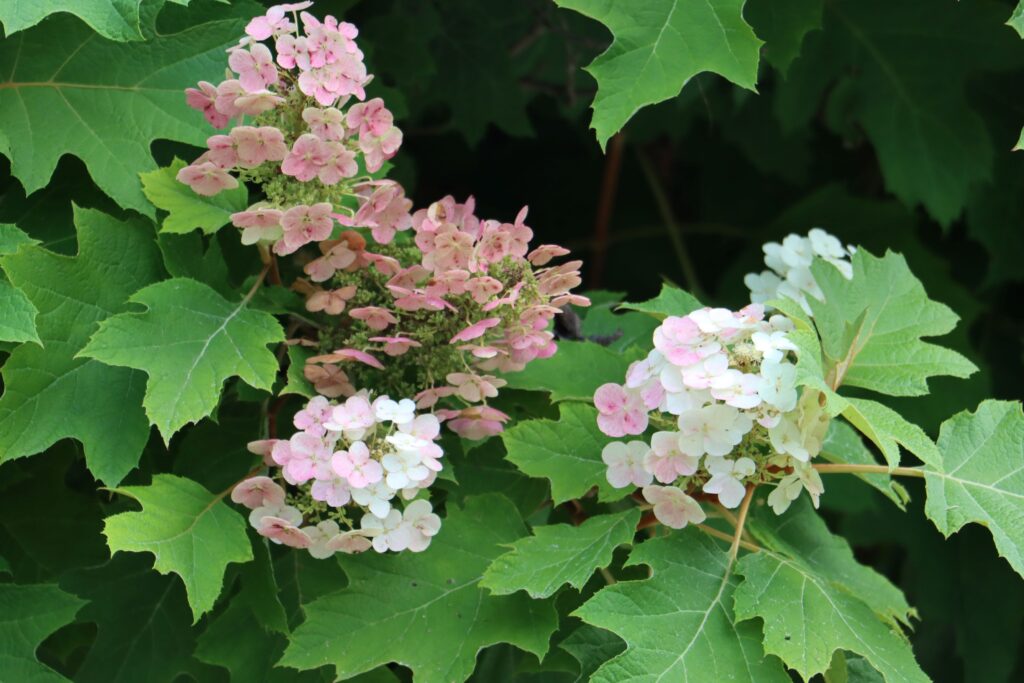
Oakleaf Hydrangea (Hydrangea quercifolia)
Oakleaf hydrangea is valued for its distinctive oak-shaped leaves, attractive bark, and spectacular red to burgundy fall colour.
How they bloom
Oakleaf hydrangeas bloom on old wood.
When to prune
Immediately after flowering if needed.
How to prune
- Remove dead, damaged, or crossing branches.
- Avoid heavy spring pruning.
- Only lightly shape the plant after flowering.
In many landscapes, little pruning is required beyond occasional maintenance.
Climbing Hydrangea (Hydrangea anomala subsp. petiolaris)
Climbing hydrangea is a vigorous vine that can grow on walls, fences, pergolas, and mature tree trunks.
How they bloom
They bloom on established stems and generally require very little pruning.
When to prune
After flowering, if control is needed.
How to prune
- Remove wayward or excessively long shoots.
- Thin congested areas.
- Maintain clearance around windows, eaves, and structures.
Avoid aggressive annual pruning, which can significantly reduce flowering.
Quick Reference Guide
| Hydrangea Type | Blooms On | Pruning Time |
| Paniculata | New Wood | Late Winter/Early Spring |
| Arborescens | New Wood | Late Winter/Early Spring |
| Macrophylla | Old Wood | After Flowering |
| Quercifolia (Oakleaf) | Old Wood | After Flowering |
| Climbing Hydrangea | Established Stems | After Flowering Only If Needed |
Final Thoughts
The biggest mistake gardeners make with hydrangeas is treating every hydrangea the same. Before reaching for the pruners, determine whether your plant blooms on old wood or new wood. Paniculate and smooth hydrangeas can be pruned confidently in early spring, while bigleaf and oakleaf hydrangeas require a lighter touch to preserve their flower buds.
When in doubt, remember this simple rule:
New wood hydrangeas are pruned in spring. Old wood hydrangeas are pruned after flowering.