What Is Liquid Aeration?
Healthy lawns require more than regular mowing, watering, and fertilizing. Over time, soil can become compacted from foot traffic, lawn equipment, pets, and natural settling. When this happens, oxygen, water, and nutrients struggle to reach the root zone.
Liquid aeration is a relatively new lawn care treatment designed to reduce soil compaction without physically removing soil plugs. Instead, specialized liquid solutions containing natural enzymes, surfactants, humic acids, and soil-conditioning agents are applied to the lawn using a sprayer.
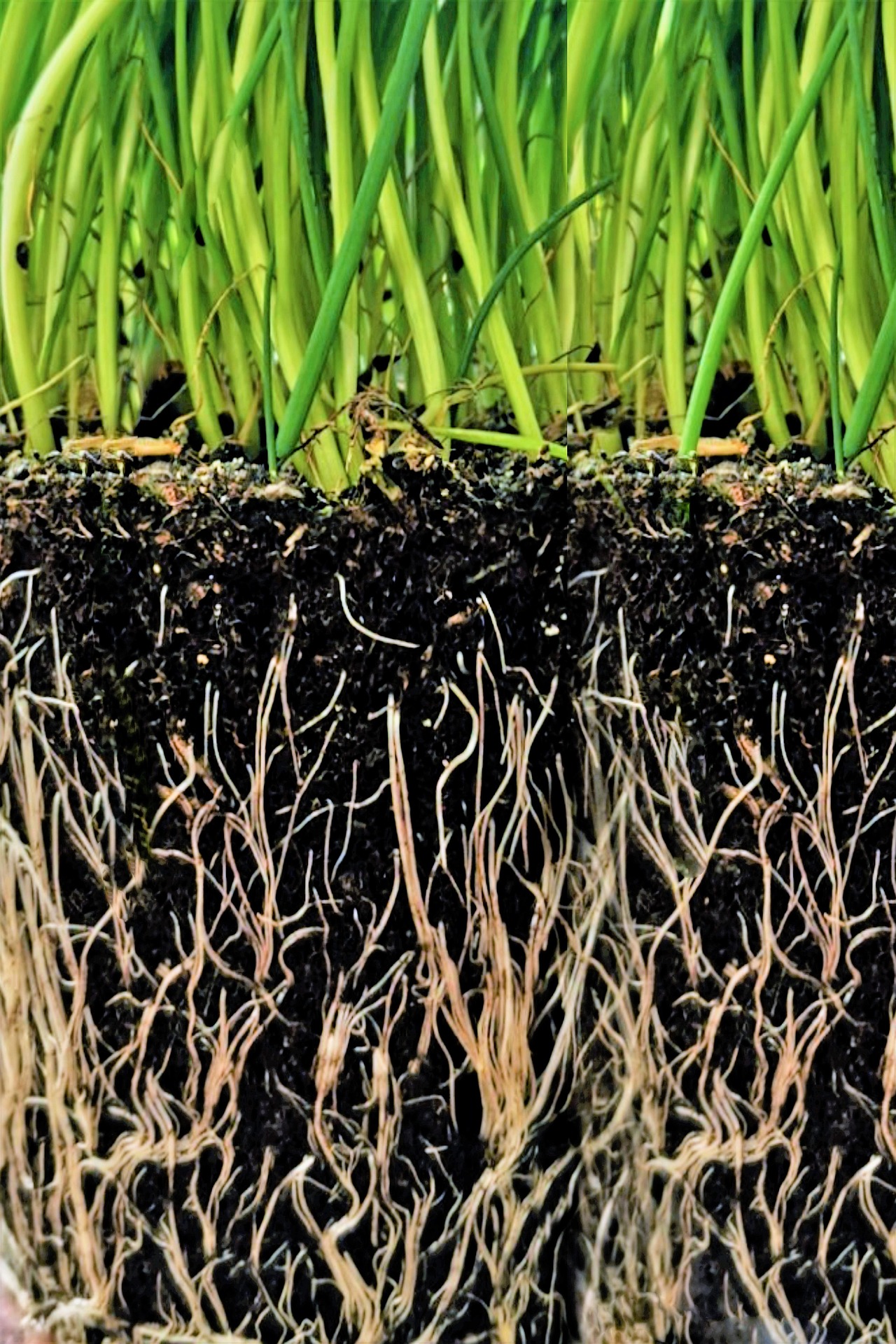
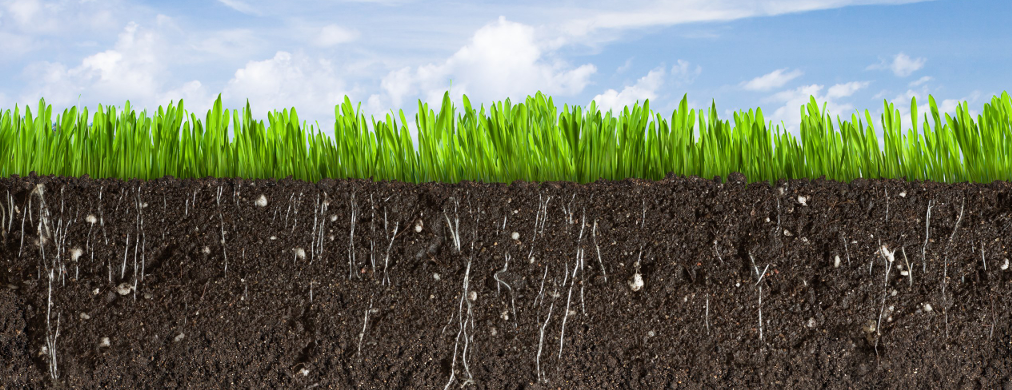
These products work by breaking down compacted soil particles and improving pore space within the soil profile. This allows water, oxygen, and nutrients to move more freely through the soil while encouraging deeper root development.
In other words, it helps improve the structure of the soil colloids.
How Does Liquid Aeration Work?
When applied to the lawn, liquid aeration treatments penetrate the soil surface and begin improving the soil structure at a microscopic level.
Key benefits include:
- Increased water infiltration
- Improved nutrient uptake
- Enhanced oxygen movement into the root zone
- Reduced surface runoff
- Better drought tolerance
- Encouragement of deeper root growth
Unlike mechanical aeration, liquid aeration does not leave soil plugs on the lawn and can be applied without disrupting outdoor activities.
What Is Core Aeration?
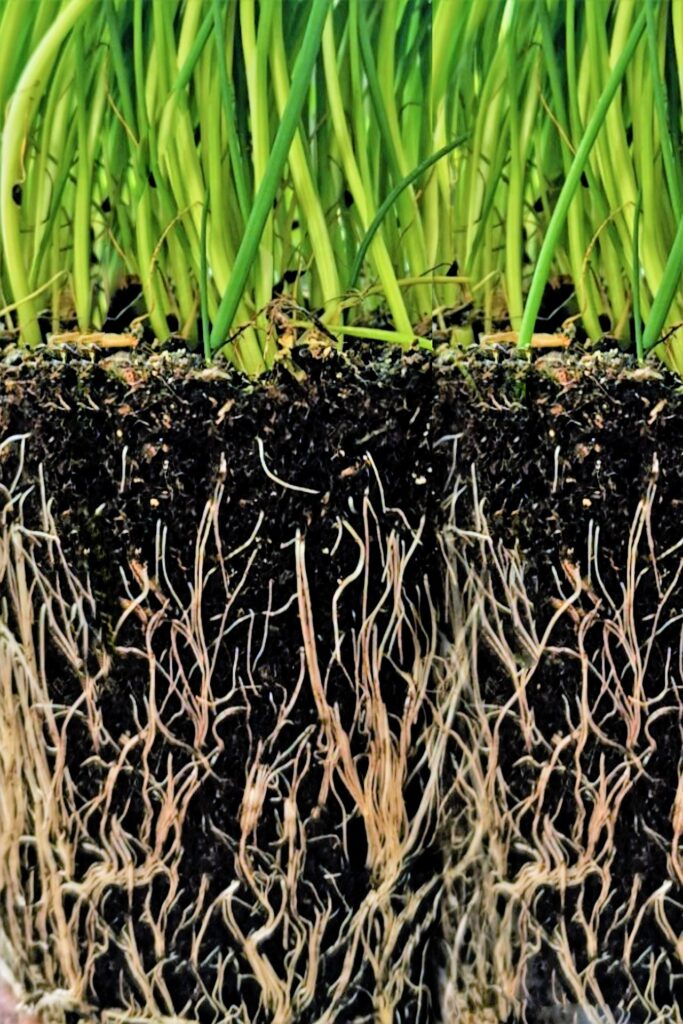
Core aeration, also known as plug aeration, is the traditional method of relieving soil compaction. Specialized equipment removes small plugs of soil from the lawn, typically two to four inches deep.
By physically removing sections of compacted soil, core aeration creates channels that allow air, water, and nutrients to penetrate deeper into the root zone.
Core aeration is particularly beneficial for:
- Clay soils
- Heavily compacted lawns
- Sports fields
- High-traffic areas
- Lawns with excessive thatch buildup
Many lawn care professionals consider core aeration one of the most effective methods of addressing serious soil compaction.
Liquid Aeration vs. Core Aeration
Both methods aim to improve lawn health, but they work very differently.
Soil Compaction Relief
Core Aeration: Physically removes plugs of soil, providing immediate relief from compaction.
Liquid Aeration: Gradually loosens soil particles and improves pore space over time.
Winner: Core aeration for severe compaction.
Lawn Appearance
Core Aeration: Leaves visible soil plugs that typically break down within a few weeks.
Liquid Aeration: Leaves no visible disturbance.
Winner: Liquid aeration.
Accessibility
Core Aeration: Requires specialized equipment and access to the lawn.
Liquid Aeration: Can be applied with a sprayer and is suitable for tight spaces and areas inaccessible to aeration equipment.
Winner: Liquid aeration.
Results
Core Aeration: Provides immediate physical soil loosening.
Liquid Aeration: Results develop over time as soil structure improves.
Winner: Depends on soil conditions.
Cost
Core Aeration: Usually involves more labour and equipment costs.
Liquid Aeration: Often costs less and requires less labour.
Winner: Liquid aeration.
Which Type of Aeration Is Better?
The answer depends on your lawn’s condition.
If your lawn suffers from severe compaction due to heavy traffic or clay soil, core aeration remains the most effective solution.
If your lawn has moderate compaction, poor water penetration, or you prefer a non-invasive treatment, liquid aeration can provide meaningful benefits. It can also be an excellent maintenance tool between scheduled core aeration services.
Many lawn care professionals now recommend combining both methods. Core aeration provides immediate physical relief, while liquid aeration can help improve soil structure and biological activity over time.
When Should You Aerate Your Lawn?
For cool-season lawns common throughout Ontario, the best time to aerate is:
- Early spring
- Late summer
- Early fall
Fall is often considered ideal because grass roots continue growing while cooler temperatures reduce stress on the lawn.
Many homeowners choose to pair aeration with overseeding and topdressing for maximum results.
Aeration and Overseeding: The Perfect Combination
Whether you choose liquid aeration or core aeration, combining the treatment with overseeding can dramatically improve turf quality.
Aeration creates opportunities for grass seed to contact the soil, improving germination rates and encouraging thicker, healthier turf.
Benefits include:
- Increased lawn density
- Reduced weed pressure
- Improved drought resistance
- Better disease tolerance
- Enhanced curb appeal
The Bottom Line
If you’re looking for the fastest and most proven solution to severe lawn compaction, core aeration remains the industry standard. However, liquid aeration offers a convenient, non-invasive alternative that can improve soil health, water penetration, and root growth over time.
For many homeowners, the best answer isn’t choosing one over the other. A lawn care program that incorporates both liquid aeration and core aeration can help create healthier soil, stronger roots, and a greener lawn season after season.