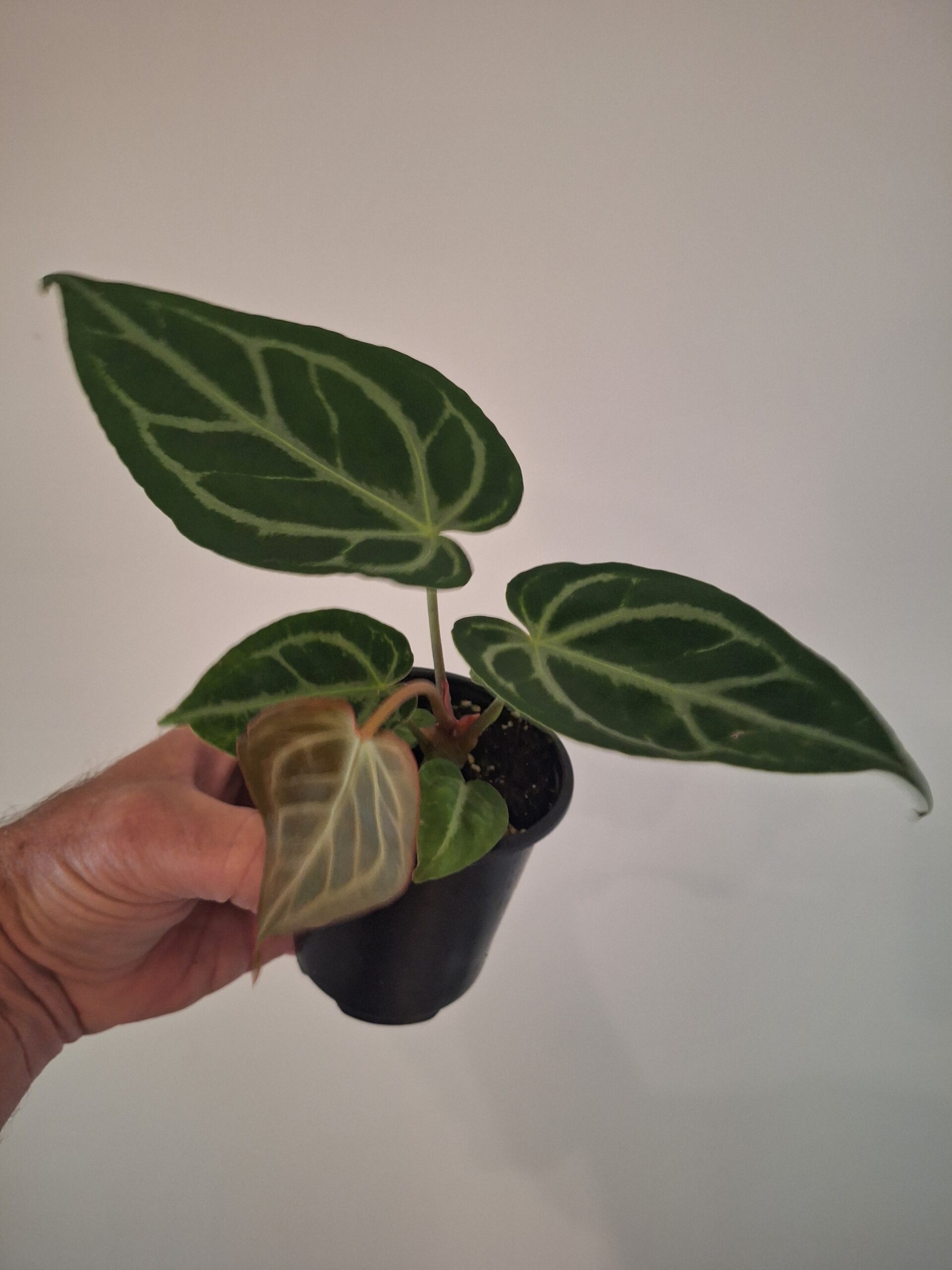
If you are looking for a houseplant with truly spectacular foliage, Anthurium crystallinum deserves a place near the top of your list. Prized for its large, velvety leaves and striking silver-white veins, this tropical beauty has become a favorite among collectors and plant enthusiasts. While it may appear exotic and delicate, understanding its natural habitat makes it surprisingly straightforward to grow successfully indoors.
A Brief History
Anthurium crystallinum is native to the tropical rainforests of Central and South America, particularly regions of Panama and Colombia. It grows as a terrestrial or epiphytic plant in warm, humid forests where it receives filtered sunlight beneath the rainforest canopy.
The genus Anthurium contains over 1,000 species, making it one of the largest genera within the Araceae family. While many people are familiar with flowering anthuriums grown for their colorful spathes, Anthurium crystallinum is cultivated primarily for its remarkable foliage.
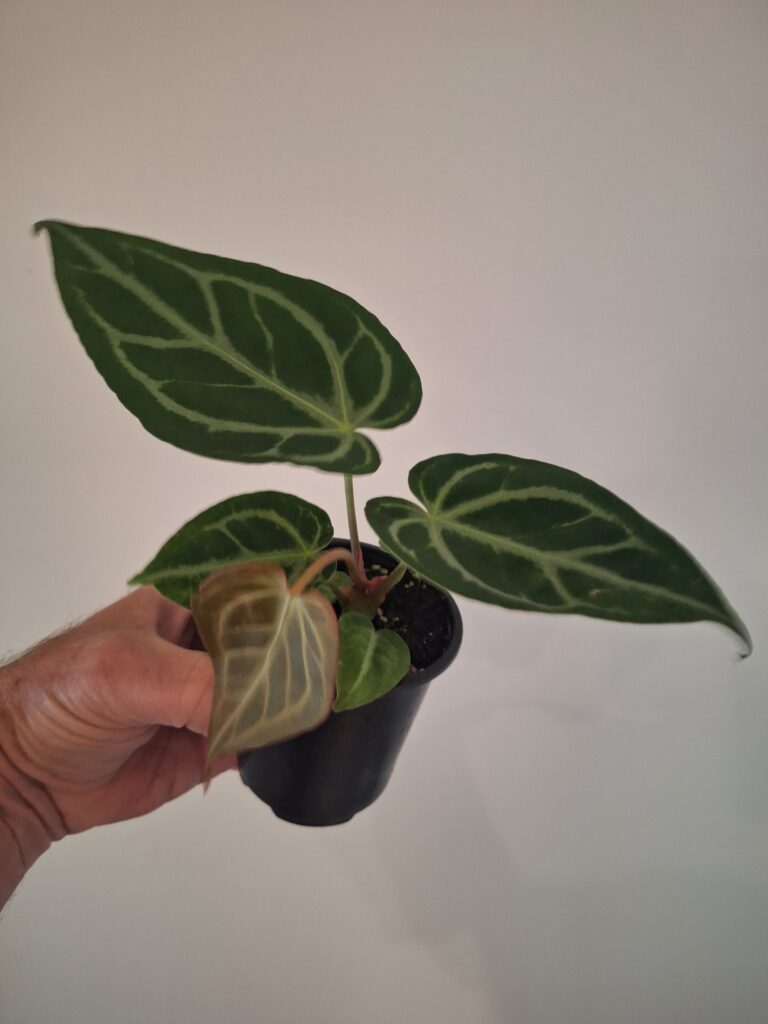
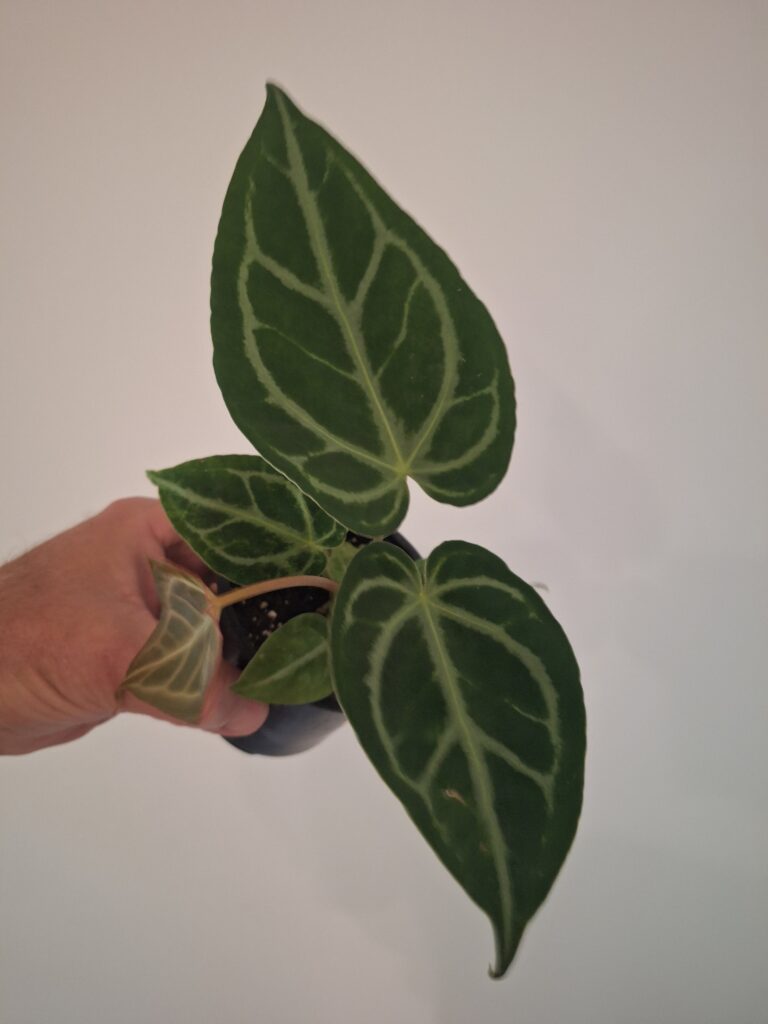
Its species name, crystallinum, refers to the crystalline appearance of the leaf veins, which shimmer against the dark green velvet-like surface.
Why Plant Lovers Admire It
The main attraction of Anthurium crystallinum is its foliage:
- Large heart-shaped leaves
- Velvety dark green texture
- Prominent silvery-white veins
- Compact yet dramatic growth habit
- New leaves that emerge with bronze or reddish tones before maturing
As the plant matures, individual leaves can reach impressive sizes, creating a bold tropical statement in almost any indoor setting.
Light Requirements
In its native rainforest environment, Anthurium crystallinum grows beneath taller vegetation and receives filtered light throughout the day.
For best results indoors:
- Provide bright, indirect light.
- An east-facing window is often ideal.
- South or west-facing windows may require a sheer curtain to diffuse intense sunlight.
- Avoid direct afternoon sun, which can scorch the leaves.
If light levels are too low, growth slows and the foliage may become less dramatic.
Temperature Preferences
This tropical species appreciates warmth year-round.
Ideal temperatures:
- 18°C to 27°C (65°F to 80°F)
- Avoid temperatures below 15°C (59°F)
- Protect from cold drafts, air conditioners, and sudden temperature fluctuations
Consistent warmth promotes healthy growth and larger leaves.
Watering Tips
The goal is to keep the growing medium lightly moist without allowing it to become waterlogged.
A good watering routine includes:
- Allowing the top few centimeters of the potting mix to dry slightly between waterings
- Watering thoroughly when needed
- Emptying excess water from decorative pots or saucers
Overwatering is one of the most common causes of root problems. Conversely, allowing the soil to become bone dry can stress the plant and lead to leaf damage.
Soil and Potting Mix
Because Anthurium crystallinum naturally grows in loose organic material with excellent air circulation around its roots, it prefers a chunky, well-draining growing medium.
A suitable mix may contain:
- Orchid bark
- Perlite
- Coco coir or peat moss
- High-quality potting soil
- Horticultural charcoal
The objective is to provide both moisture retention and excellent drainage.
Fertilizing
During active growth in spring and summer:
- Apply a balanced liquid fertilizer every 4 to 6 weeks at half strength.
- Reduce feeding during winter when growth naturally slows.
Avoid over-fertilizing, as excess salts can damage roots and cause leaf burn.
Repotting
Anthurium crystallinum generally benefits from repotting every one to two years.
Signs it may need repotting include:
- Roots circling the container
- Rapid drying of the potting mix
- Reduced vigor or slowed growth
Choose a pot only slightly larger than the existing container, as excessive pot size can increase the risk of overwatering.
Common Problems
Yellow Leaves
Usually caused by:
- Overwatering
- Poor drainage
- Insufficient light
Brown Leaf Edges
Often associated with:
- Low humidity
- Inconsistent watering
- Excess fertilizer
Slow Growth
May result from:
- Low light levels
- Cool temperatures
- Root-bound conditions
Pests
Watch for:
- Spider mites
- Mealybugs
- Scale insects
- Thrips
Inspect leaves regularly, especially the undersides, and address infestations early.
Propagation
The easiest method of propagation is division.
When repotting:
- Gently separate offsets or growth points that have their own roots.
- Pot divisions individually in a suitable aroid mix.
- Maintain warm temperatures and elevated humidity until new growth appears.
Displaying Anthurium crystallinum Indoors
Because of its elegant foliage, Anthurium crystallinum works exceptionally well as:
- A focal-point plant in a living room
- A statement piece in an office
- Part of a tropical indoor garden collection
- A companion plant among other aroids (arums) such as Philodendrons, Alocasias, and Monsteras
Its dramatic leaves create an instant sense of luxury and sophistication.
Final Thoughts
Anthurium crystallinum is a living work of art. With its velvety leaves, brilliant silver veining, and rainforest heritage, it brings a touch of the tropics into the home. Provide bright indirect light, warm temperatures, high humidity, and a well-draining potting mix, and this stunning aroid will reward you with increasingly impressive foliage year after year.