Nematanthus gregarius – Goldfish Plant
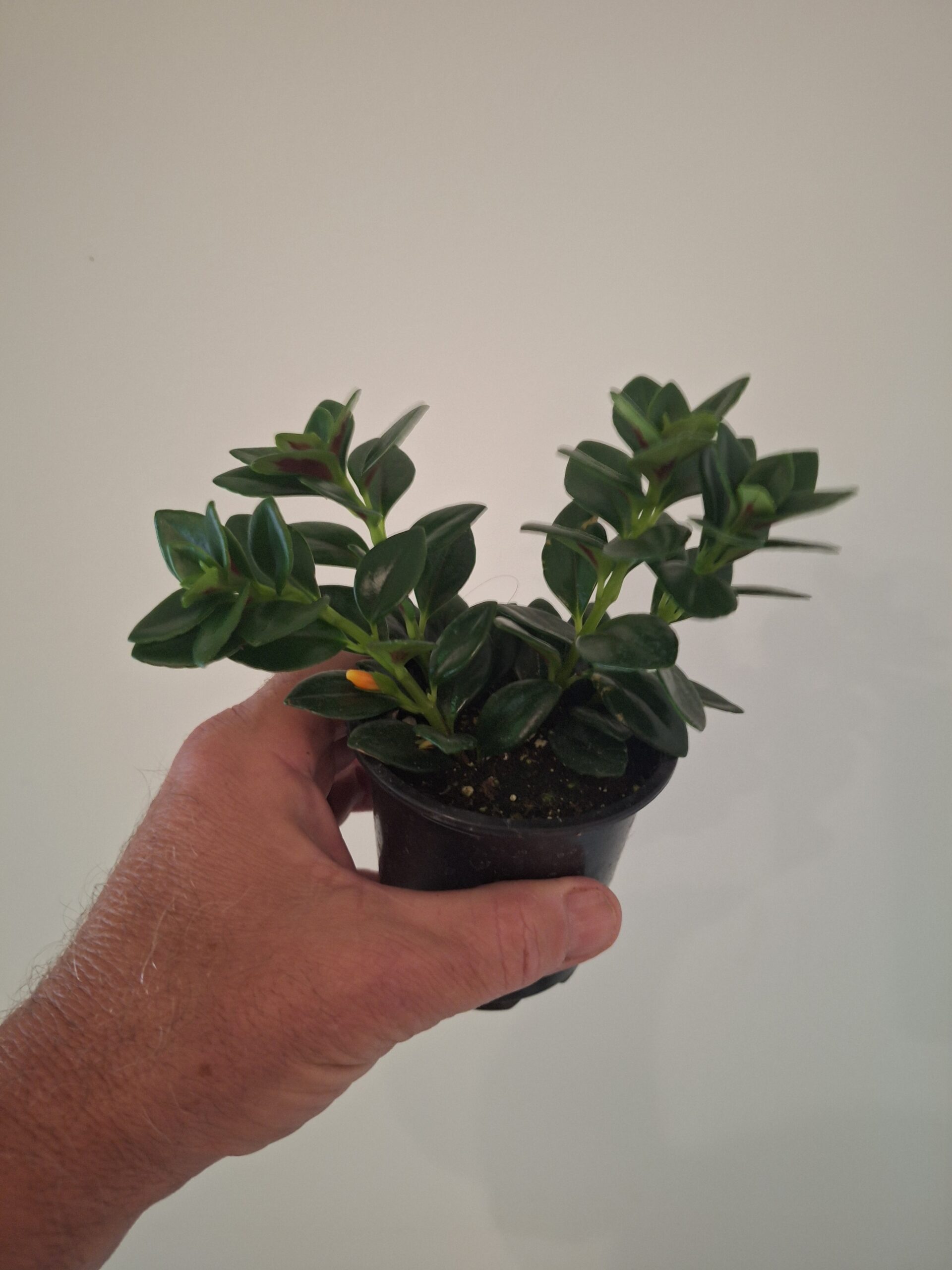
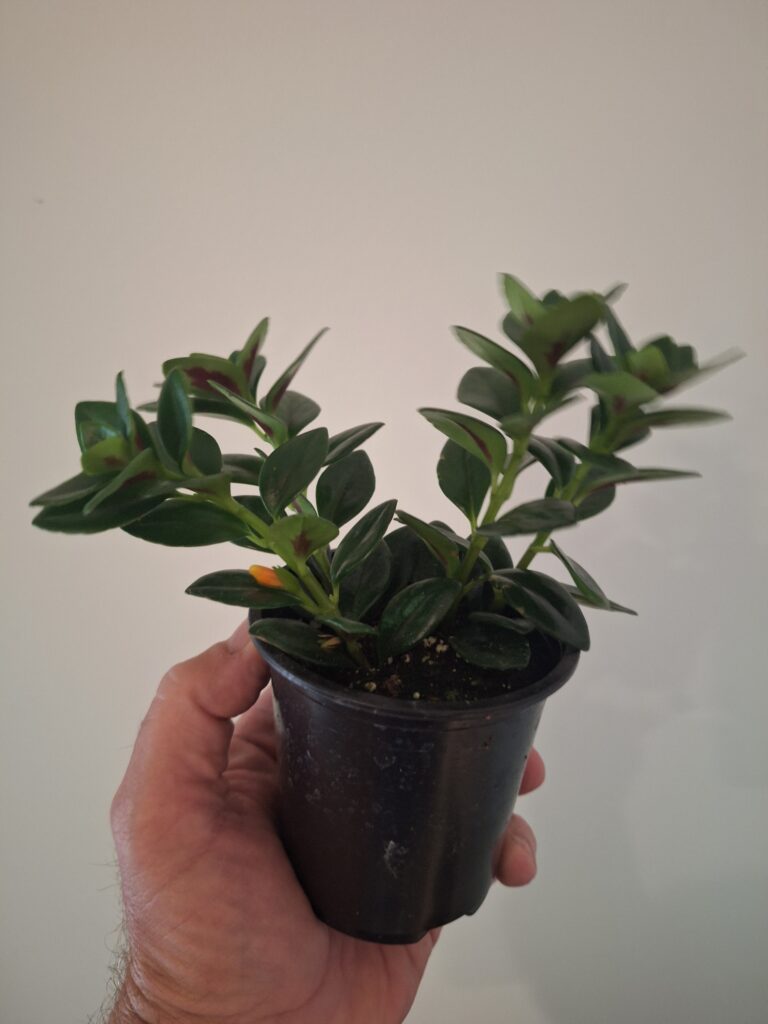
If you’re looking for a houseplant that sparks conversation, the Goldfish Plant is an excellent choice. Its vibrant orange flowers appear to leap from the foliage, resembling miniature goldfish swimming among glossy green leaves.
This unusual flowering houseplant offers the perfect combination of ornamental foliage and eye-catching blooms. Whether displayed in a hanging basket, decorative container, or elevated plant stand, the Goldfish Plant brings a cheerful tropical touch to any indoor space.
History and Origins
The Goldfish Plant is native to the tropical rainforests of Brazil, where it grows as an epiphyte on tree branches and among moss-covered limbs. In its natural habitat, it enjoys warm temperatures, filtered light, high humidity, and excellent air circulation.
As a member of the Gesneriad family, it is related to African Violets and Lipstick Plants. Plant breeders have developed numerous varieties over the years, but Nematanthus gregarius remains one of the most popular due to its reliable blooming habit and attractive growth form.
Its common name comes from the remarkable shape of its flowers, which closely resemble tiny orange goldfish.
Plant Description
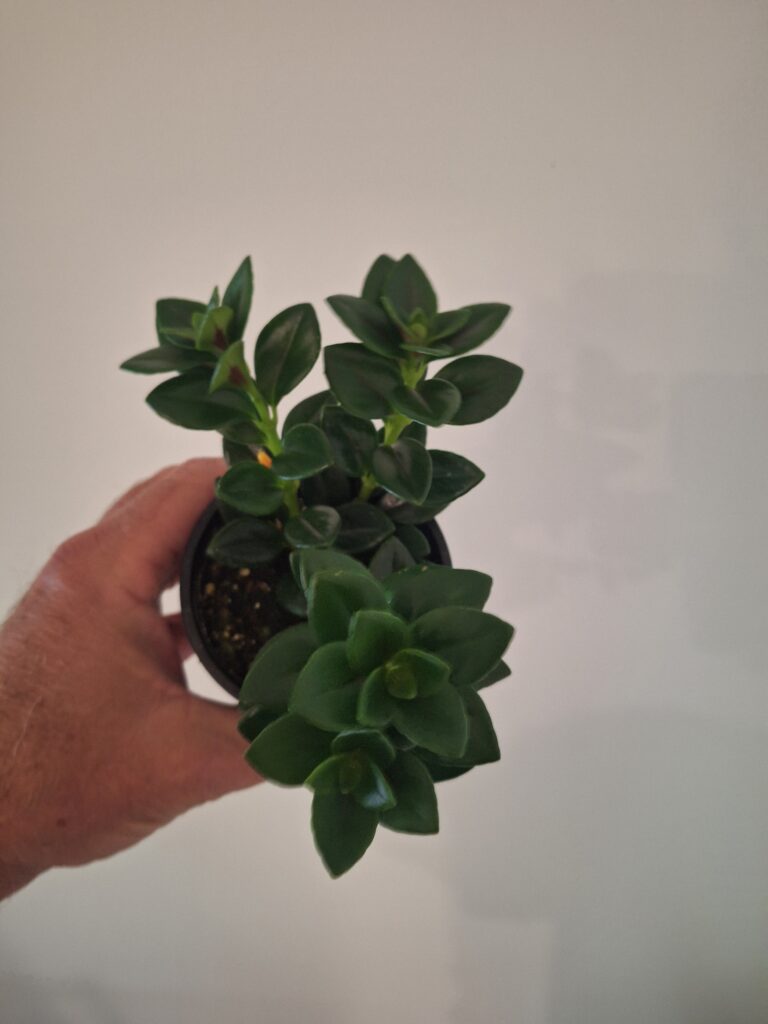
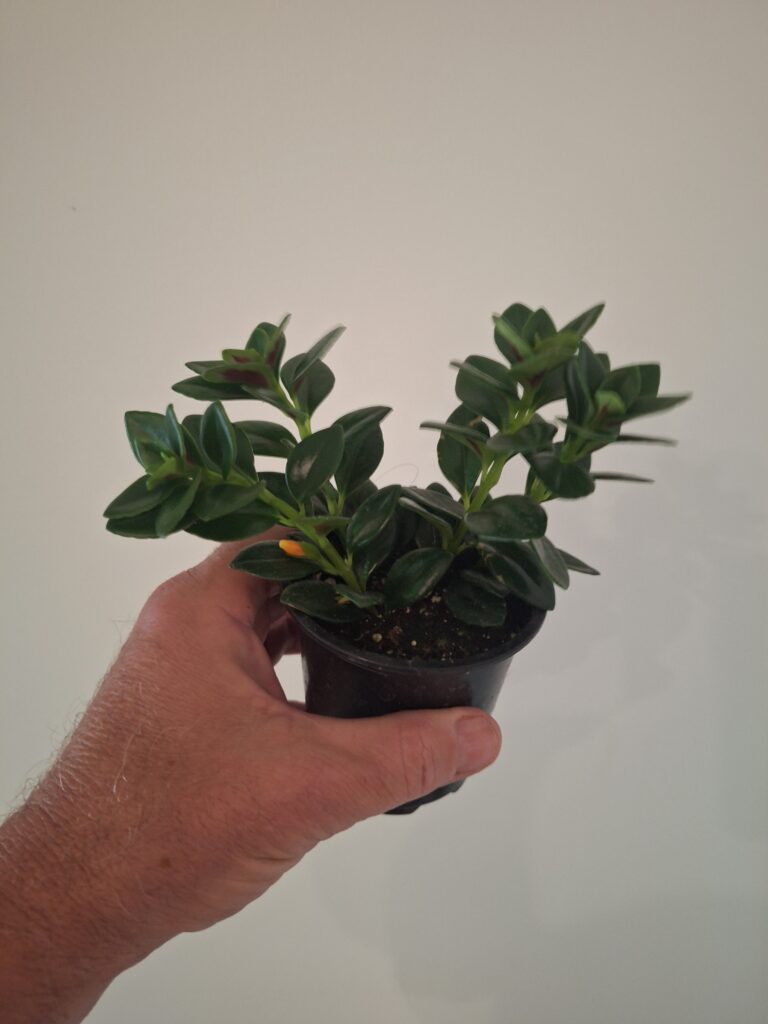
The Goldfish Plant is a trailing evergreen houseplant with small, glossy leaves and brightly coloured blooms.
Key Features
- Vibrant orange, gold, or orange-red flowers
- Glossy dark green foliage
- Cascading growth habit
- Compact size
- Long flowering season
- Ideal for hanging baskets
The foliage is dense and attractive even when the plant is not in bloom, making it a valuable ornamental plant year-round.
When mature, stems may trail 60 to 90 cm (2 to 3 feet) or more, creating a lush, cascading display.
Ideal Growing Conditions
Light Requirements
Goldfish Plants thrive in:
- Bright indirect light
- Filtered sunlight
- East-facing windows
- Bright rooms with good natural light
The more bright indirect light the plant receives, the more flowers it typically produces.
Avoid harsh direct afternoon sun, which can scorch the leaves and reduce plant vigor.
Insufficient light often results in fewer blooms and leggy growth.
Temperature
As a tropical species, the Goldfish Plant prefers warmth throughout the year.
Ideal temperatures include:
- 18°C to 27°C (65°F to 80°F)
Avoid:
- Cold drafts
- Sudden temperature changes
- Temperatures below 13°C (55°F)
Consistent warmth encourages both growth and flowering.
Watering Requirements
Proper watering is one of the keys to success with this plant.
Watering Tips
- Allow the top layer of soil to dry slightly between waterings.
- Water thoroughly when needed.
- Never allow the pot to sit in standing water.
- Reduce watering during winter when growth slows.
The Goldfish Plant prefers consistent moisture but dislikes soggy soil.
Overwatering can quickly lead to root problems and reduced flowering.
Soil Requirements
Because the plant naturally grows in airy rainforest conditions, it requires a loose and well-draining growing medium.
Ideal soil characteristics include:
- Well-drained
- Lightweight
- Rich in organic matter
- Slightly acidic
A high-quality indoor potting mix amended with perlite and orchid bark works exceptionally well.
Always use containers with drainage holes.
Fertilizing
Regular feeding encourages strong growth and abundant flowering.
During spring and summer:
- Feed every two to four weeks with a balanced liquid fertilizer.
- Reduce feeding during autumn and winter.
Plants that receive consistent nutrition typically produce more flowers and richer foliage.
Pruning and Maintenance
The Goldfish Plant responds well to occasional pruning.
Benefits include:
- Encouraging bushier growth
- Promoting branching
- Increasing flower production
- Maintaining a compact shape
Pinching stem tips periodically helps create a fuller, more attractive plant.
Remove spent flowers and damaged growth as needed.
Repotting
Goldfish Plants generally prefer slightly snug root conditions.
Repot every two to three years or when:
- Growth becomes restricted
- Water drains excessively fast
- Roots fill the container
Choose a pot only slightly larger than the previous one.
Propagation
The Goldfish Plant is easy to propagate through stem cuttings.
Propagation Steps
- Take a healthy stem cutting.
- Remove the lower leaves.
- Place the cutting in moist potting mix.
- Keep the medium lightly moist.
- Provide warmth and bright indirect light.
New roots usually develop within several weeks.
This makes propagation an easy way to expand your collection or share plants with friends.
Common Pests and Problems
Although relatively easy to grow, the Goldfish Plant may occasionally experience a few issues.
Potential Pests
- Mealybugs
- Spider mites
- Aphids
- Scale insects
Regular inspection helps catch problems before they become serious.
Common Growing Problems
Few or No Flowers
Usually caused by:
- Insufficient light
- Excessive fertilizer nitrogen
- Inconsistent watering
Yellow Leaves
Often linked to overwatering or poor drainage.
Leaf Drop
May occur when exposed to cold temperatures, drafts, or sudden environmental changes.
Root Rot
Typically the result of consistently wet soil.
Interesting Facts About the Goldfish Plant
The Flowers Really Resemble Goldfish
Its unusual flowers have made it one of the most recognizable flowering houseplants in the world.
It’s an Epiphyte
In nature, Goldfish Plants often grow on tree branches rather than directly in soil.
It Can Bloom for Months
Under ideal conditions, flowering can occur repeatedly throughout the year.
It Loves Hanging Baskets
Its naturally trailing growth habit makes it one of the best flowering plants for hanging displays.
It’s Related to African Violets
Although their appearance is quite different, both belong to the same plant family and enjoy similar growing conditions.
Why You Should Grow a Goldfish Plant
If you’re searching for a unique flowering houseplant that combines tropical beauty with manageable care requirements, Nematanthus gregarius is an outstanding choice. Its glossy foliage, cascading growth habit, and distinctive fish-shaped flowers make it a standout addition to any indoor plant collection.
With bright indirect light, moderate humidity, well-drained soil, and consistent care, the Goldfish Plant can reward you with a spectacular display of colourful blooms year after year.