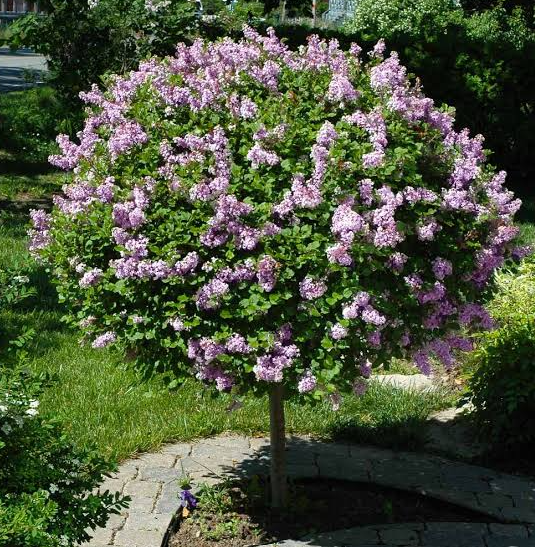
When gardeners think of lilacs, they often picture towering old-fashioned shrubs blooming beside centuries-old farmhouses. Syringa patula ‘Miss Kim’, commonly known as Miss Kim Lilac or Korean Lilac, offers all the fragrance and charm of traditional lilacs in a more compact, manageable form. Its fragrant spring flowers, handsome foliage, excellent disease resistance, and stunning fall colour have made it one of the most popular lilacs in North America.
Origins and History
The story of Miss Kim Lilac begins in Korea. The plant’s parent species is native to Korea and northeastern China. In 1947, horticulturist Dr. Elwyn Meader collected seed in Korea while serving there with the U.S. Army. Upon returning to the United States, he grew the seedlings and selected an exceptional plant that remained compact, resisted mildew, and developed striking burgundy-red autumn foliage. The cultivar was introduced by the New Hampshire Agricultural Experiment Station in 1954.
Today, the plant may also be listed botanically as Syringa pubescens subsp. patula ‘Miss Kim’, reflecting modern taxonomic classification.
Plant Description
Miss Kim Lilac is a deciduous shrub with a naturally upright, rounded habit.
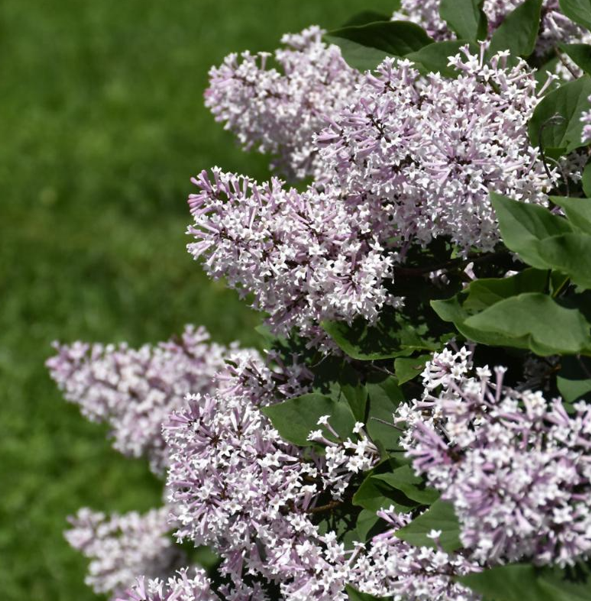
Key Features
- Height: 1.2–2.7 m (4–9 ft)
- Spread: 1.5–2.4 m (5–8 ft)
- USDA Hardiness Zones: 3–8
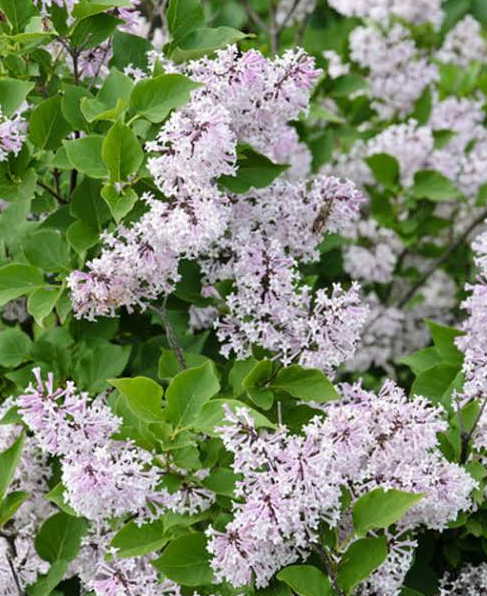
- Flower colour: Lavender, lilac-blue, or pale purple
- Bloom period: Late spring
- Fragrance: Strong, sweet, and slightly spicy
- Fall colour: Burgundy to wine-red foliage
- Unlike common lilacs (Syringa vulgaris), Miss Kim blooms slightly later, which often helps flowers escape damage from late spring frosts.
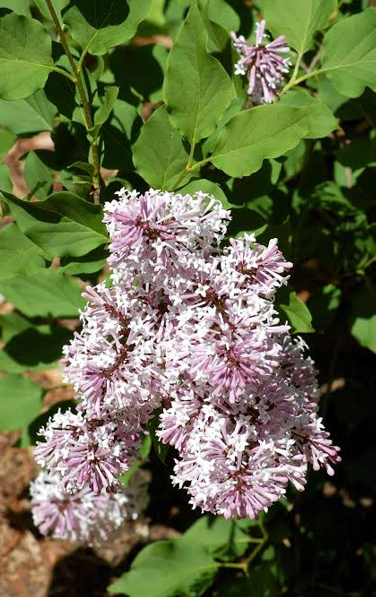
Landscape Uses
One of the biggest advantages of Miss Kim Lilac is its versatility in the landscape.
- Foundation Plantings
Its moderate size makes it ideal around homes where traditional lilacs would eventually become too large.
- Mixed Shrub Borders
The fragrant blooms provide a dramatic late-spring display while the dark-green foliage contributes structure throughout the growing season.
- Informal Hedges
Planting several Miss Kim Lilacs together creates a fragrant flowering hedge that requires minimal maintenance. We had client in Oakville with a LONG hedge of dwarf lilac. It took a LONG time to prune it but it was worth it. It was stunning.
- Pollinator Gardens
The blossoms attract butterflies, bees, and hummingbirds, helping support biodiversity in the landscape.
- Small Urban Gardens
Because it is more compact than common lilac and tolerates urban conditions well, it is particularly useful in modern residential landscapes.
Growing and Care Requirements
Sunlight
For best flowering, plant Miss Kim Lilac in full sun, receiving at least six hours of direct sunlight daily. Partial shade is tolerated but may reduce flowering.
Soil
Miss Kim performs best in:
- Well-drained soil
- Moderately fertile soil
- Neutral to slightly alkaline pH
Avoid poorly drained sites, as lilacs dislike wet feet.
Watering
Regular watering is important during establishment, but once mature, the shrub becomes moderately drought tolerant.
Pruning
Because lilacs flower on old wood:
- Prune immediately after flowering.
- Remove spent flower clusters.
- Thin older stems occasionally to maintain shape and encourage vigorous growth.
Fertilization
Lilacs generally require little fertilizer. Excess nitrogen can encourage leaf growth at the expense of flowers. Compost or a balanced spring fertilizer is usually sufficient.
Pests and Diseases
Miss Kim Lilac is often recommended because it exhibits significantly better resistance to powdery mildew than many traditional lilacs.
Potential Problems
Although relatively trouble-free, watch for:
Insects
- Thrips
- Willow scale
Diseases
- Bacterial lilac blight
- Honey fungus (root rot)
- Occasional leaf spot diseases
Good air circulation and proper site selection prevent most issues.
Folklore
Traditional lilac symbolism includes:
- First love
- Spring renewal
- Youthful innocence
- Friendship
- Memories of home and family
Victorian flower language often associated purple lilacs with the emotions of first love, making them common additions to romantic gardens and cottage landscapes.
Because Miss Kim blooms slightly later than many traditional lilacs, some gardeners affectionately call it the “extended season lilac,” helping bridge the gap between spring bulbs and early summer perennials.
Interesting Facts About Miss Kim Lilac
It Was Discovered by Accident
Dr. Elwyn Meader selected Miss Kim from a group of seedlings because one plant showed superior characteristics—including exceptional mildew resistance and remarkable fall colour.
Three and a half Seasons of Interest
Unlike many flowering shrubs that shine only in spring, Miss Kim offers:
- Fragrant spring flowers
- Attractive summer foliage
- Burgundy-red autumn colour
3 ½ – I really like this shrub in the winter. The snow covered plant with its purplish buds really looks attractive.
Award-Winning Shrub
Miss Kim Lilac has earned the Royal Horticultural Society’s prestigious Award of Garden Merit, recognizing its reliability, beauty, and garden performance.
Why We Love Miss Kim Lilac
For landscape professionals, Miss Kim solves many of the challenges associated with older lilac varieties. It stays compact, resists disease, offers excellent fragrance, attracts pollinators, and provides exceptional fall colour. Whether used as a specimen plant, flowering hedge, foundation shrub, or pollinator garden feature, Miss Kim remains one of the most dependable and attractive lilacs available today.
In short, if you’re looking for a fragrant, low-maintenance shrub that delivers beauty from spring through fall, Syringa patula ‘Miss Kim’ deserves a place in your landscape.