Meet Juniperus horizontalis ‘Plumosa Compacta’: A Tough, Attractive Evergreen Groundcover
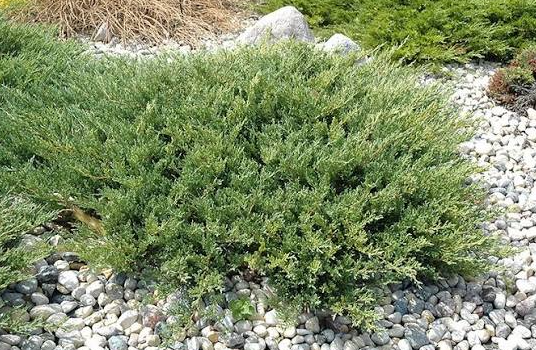
If you’re looking for a low-maintenance evergreen that provides year-round interest, few plants are as dependable as Juniperus horizontalis ‘Plumosa Compacta’, commonly known as Andorra Compact Juniper. This hardy, spreading conifer forms a dense mat of soft-textured foliage that remains attractive throughout the year and develops attractive purplish-bronze winter color.
Its combination of drought tolerance, adaptability, and evergreen foliage has made it a favorite among landscape designers, contractors, and homeowners alike. Whether used on slopes, in rock gardens, or as a living mulch beneath larger shrubs, this juniper delivers reliable performance with very little maintenance.
Origins and Plant Background
‘Plumosa Compacta’ is a cultivated form of Juniperus horizontalis, commonly known as Creeping Juniper. The species is native to northern North America, including much of Canada and the northern United States, where it naturally grows in rocky outcrops, sandy soils, coastal areas, stream banks, and exposed slopes.
The species name horizontalis refers to its distinctive low, spreading growth habit. Over the years, breeders selected forms with improved color, texture, and compactness, leading to the introduction of ‘Plumosa Compacta,’ which is also frequently marketed as Andorra Juniper or Andorra Compact Juniper.
What Makes This Plant Special?
Four-Season Interest
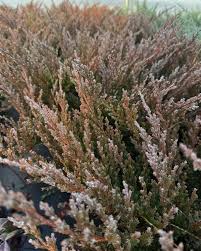
Unlike many groundcovers that disappear into the background, Andorra Compact Juniper provides visual interest throughout the year. During the growing season, its foliage is an attractive gray-green to blue-green. As temperatures cool, the foliage develops purple or bronzy-purple tones that add winter color to the landscape.
Tough and Durable
This is a remarkably resilient plant that tolerates:
- Drought
- Heat
- Wind
- Poor soils
- Urban pollution
- Rocky conditions
- Salt exposure near roads and coastal environments
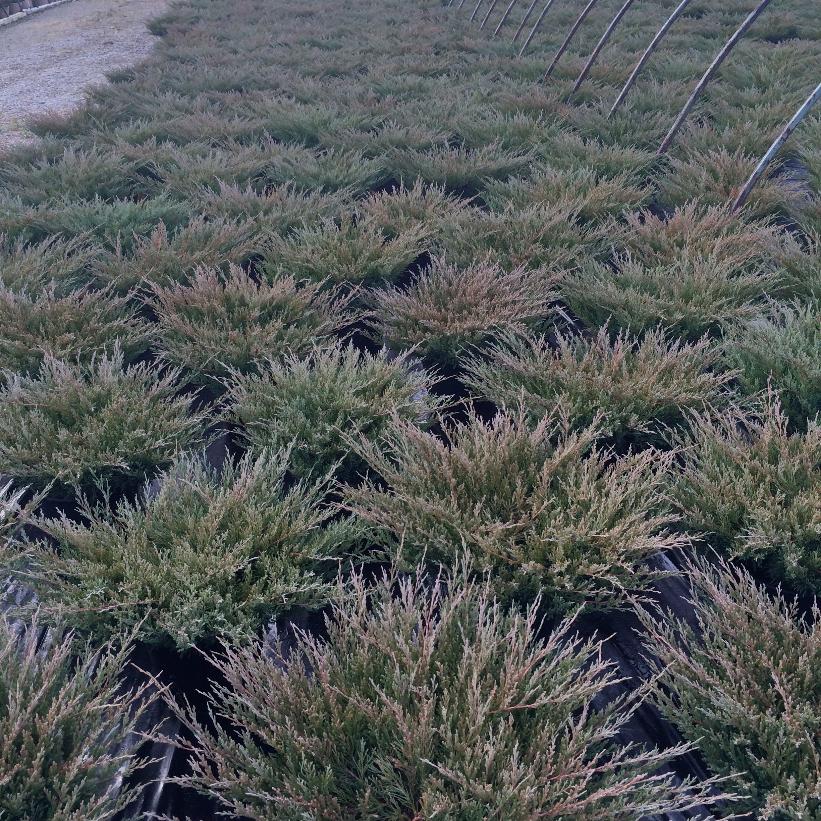
Its toughness makes it an excellent choice for challenging landscape sites.
Low Maintenance
Once established, it requires minimal watering, little pruning, and very little ongoing care, making it ideal for busy homeowners.
Size and Growth Habit
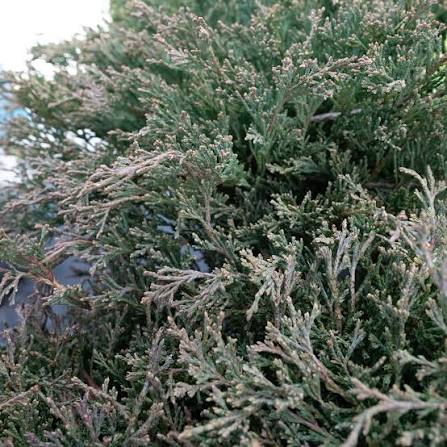
‘Plumosa Compacta’ forms a dense, spreading evergreen mat that typically grows:
- 12–18 inches tall
- 3–5 feet wide or more at maturity
Its layered branching creates a soft, feathery texture that contrasts beautifully against stone, mulch, and broad-leaved plants.
Landscape Uses
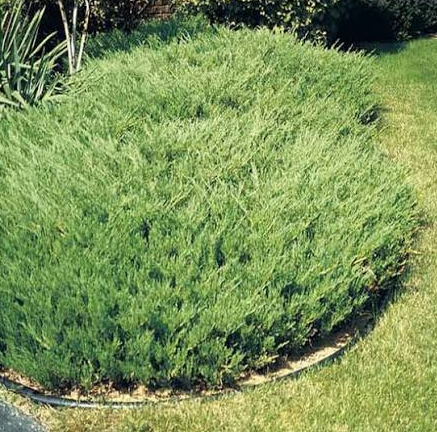
One of the reasons landscape professionals continue to specify Andorra Juniper is its versatility.
Groundcover
Its primary use is as a durable evergreen groundcover that suppresses weeds while providing year-round interest.
Rock Gardens
The fine-textured foliage pairs beautifully with natural stone and gravel, making it a classic rock garden plant.
Foundation Plantings
Use it along foundations, walkways, and retaining walls where its low profile won’t obstruct views or windows.
Growing Conditions
Sun Exposure
For best performance, plant Andorra Juniper in:
Full Sun
Plants grown in shade often become thin, open, and less attractive.
Soil Requirements
It performs well in:
- Sandy soils
- Gravelly soils
- Average garden soils
- Slightly alkaline soils
- Lean or nutrient-poor sites
Good drainage is essential. Wet soils are the most common reason for poor performance and plant decline.
Watering
During establishment, regular watering is important.
After establishment, Andorra Juniper becomes highly drought tolerant and usually requires supplemental irrigation only during extended dry periods.
Pruning and Maintenance
One of the biggest advantages of this juniper is that it needs very little pruning.
When to Prune
The best time to prune is:
- Early spring
- Late winter before new growth begins
How to Prune
- Remove dead or damaged branches.
- Lightly shape the plant if necessary.
- Avoid cutting deeply into old bare wood, as junipers may not regenerate well from older stems.
Most specimens maintain a naturally attractive form without regular pruning.
Pest and Disease Pressures
Andorra Juniper is generally reliable, but like all plants, it can occasionally experience problems.
Spider Mites
Spider mites are among the most common pests affecting junipers, particularly during hot, dry weather. Watch for bronzing foliage and fine webbing.
Scale Insects
Juniper scale and other scale insects can weaken plants if left unchecked. Regular monitoring helps detect problems early. Applications of dormant oil are effective for control.
Blights
Phomopsis blight and other tip blights may occur, especially during wet springs or on stressed plants. Good air circulation and proper site selection help reduce risk.
Root Rot
Poor drainage is the biggest enemy of creeping junipers. Consistently wet soils can lead to root decline and plant death.
Deer Resistance
Homeowners in rural and suburban areas appreciate that Andorra Juniper is generally resistant to deer browsing. While no plant is completely deer-proof, it is often left alone when other landscape plants are heavily damaged.
Final Thoughts
Juniperus horizontalis ‘Plumosa Compacta’ has stood the test of time because it delivers exactly what gardeners and landscape professionals want: attractive evergreen foliage, excellent durability, year-round interest, and exceptionally low maintenance.
Whether planted on a slope, beside a walkway, in a rock garden, or as an evergreen groundcover beneath larger shrubs, Andorra Compact Juniper provides dependable beauty in all seasons. Its adaptability to drought, poor soils, and urban conditions makes it one of the most useful groundcover conifers available for Canadian landscapes.
Need Help Choosing the Right Evergreens?
Every landscape presents unique challenges and opportunities. Whether you’re looking for drought-tolerant groundcovers, foundation plants, privacy screens, or a complete landscape design, we’re always looking to help people create beautiful, successful outdoor spaces. Feel free to contact us for advice, plant recommendations, or professional landscape assistance—we’re always happy to help you find the right plant for the right place. 🌲🌿