Lawn aeration is one of the most commonly misunderstood maintenance practices in the landscape industry. At Verdant Landscape and Design Inc., we regularly see lawns being aerated out of habit rather than need—and often at the worst possible time of year.
The truth is simple: aeration is a secondary maintenance technique, not a routine annual requirement for most lawns.
What Is Core Aeration?
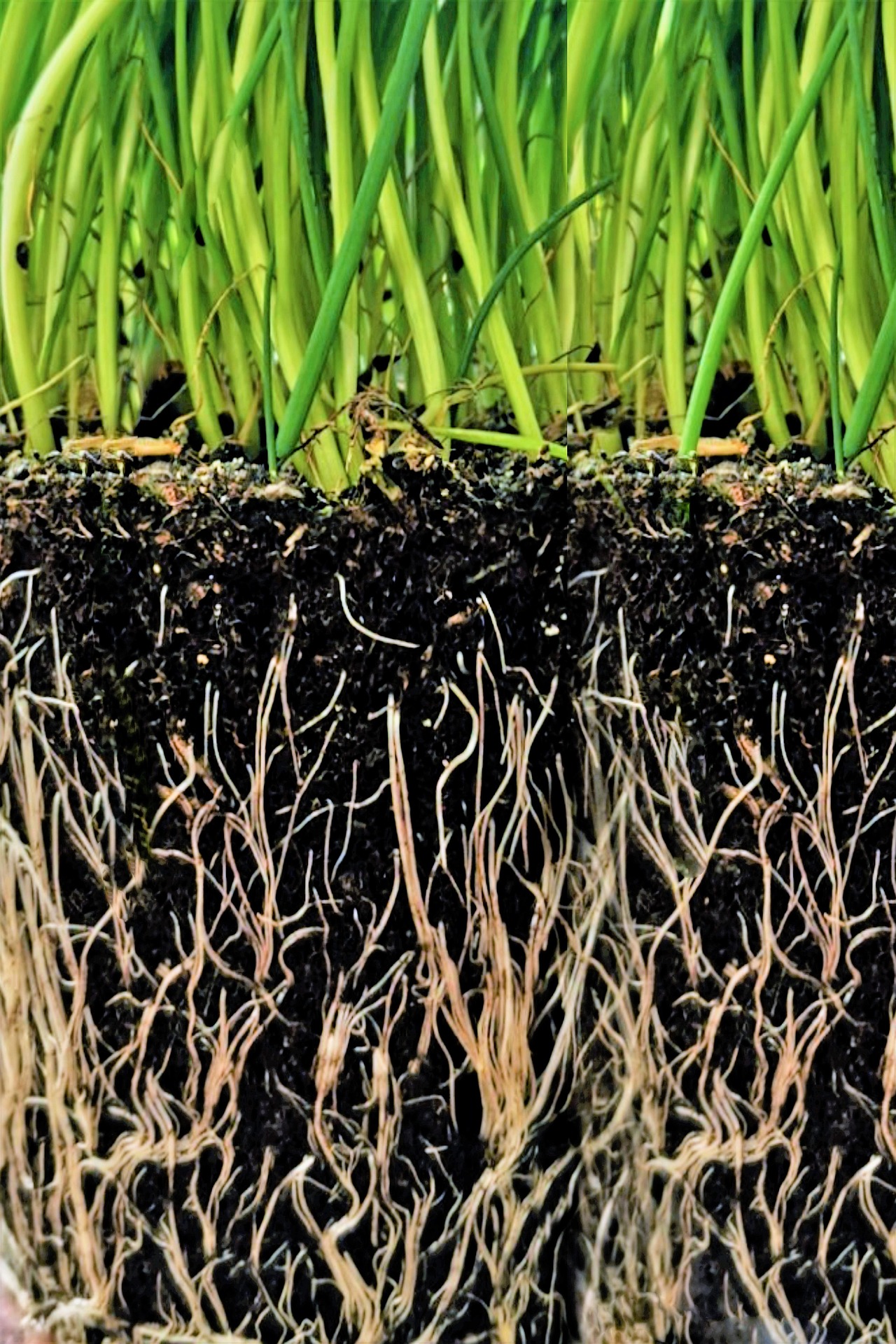
Core aeration is a mechanical process that removes small plugs (or “cores”) of soil from the lawn using hollow tines. The purpose is to temporarily reduce severe soil compaction, improve oxygen movement into the root zone, and enhance water infiltration.
It is important to understand what aeration does not do:
- It does not fix poor soil structure
- It does not replace proper mowing, fertilization, or irrigation
- It does not permanently relieve compaction
Aeration is a corrective tool, not a cure‑all.
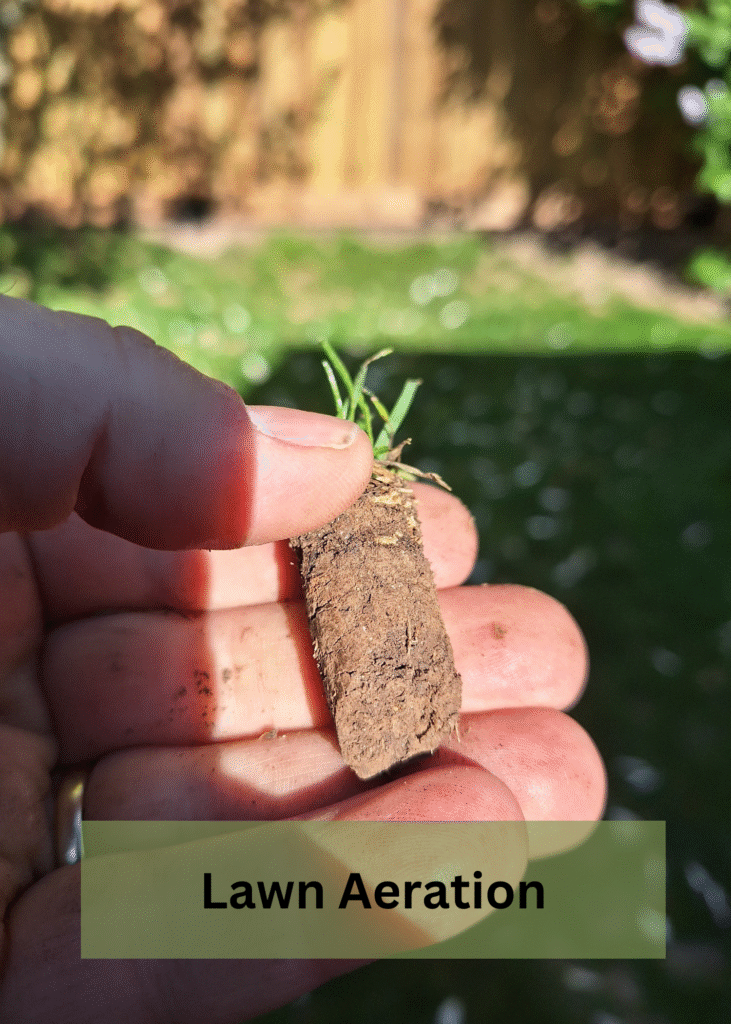
Most Lawns Do Not Need Aeration
Research and field observations from both the Guelph Turfgrass Institute and OMAFRA (Ontario Ministry of Agriculture, Food and Rural Affairs) consistently show that most established home lawns do not experience compaction levels severe enough to justify regular aeration.
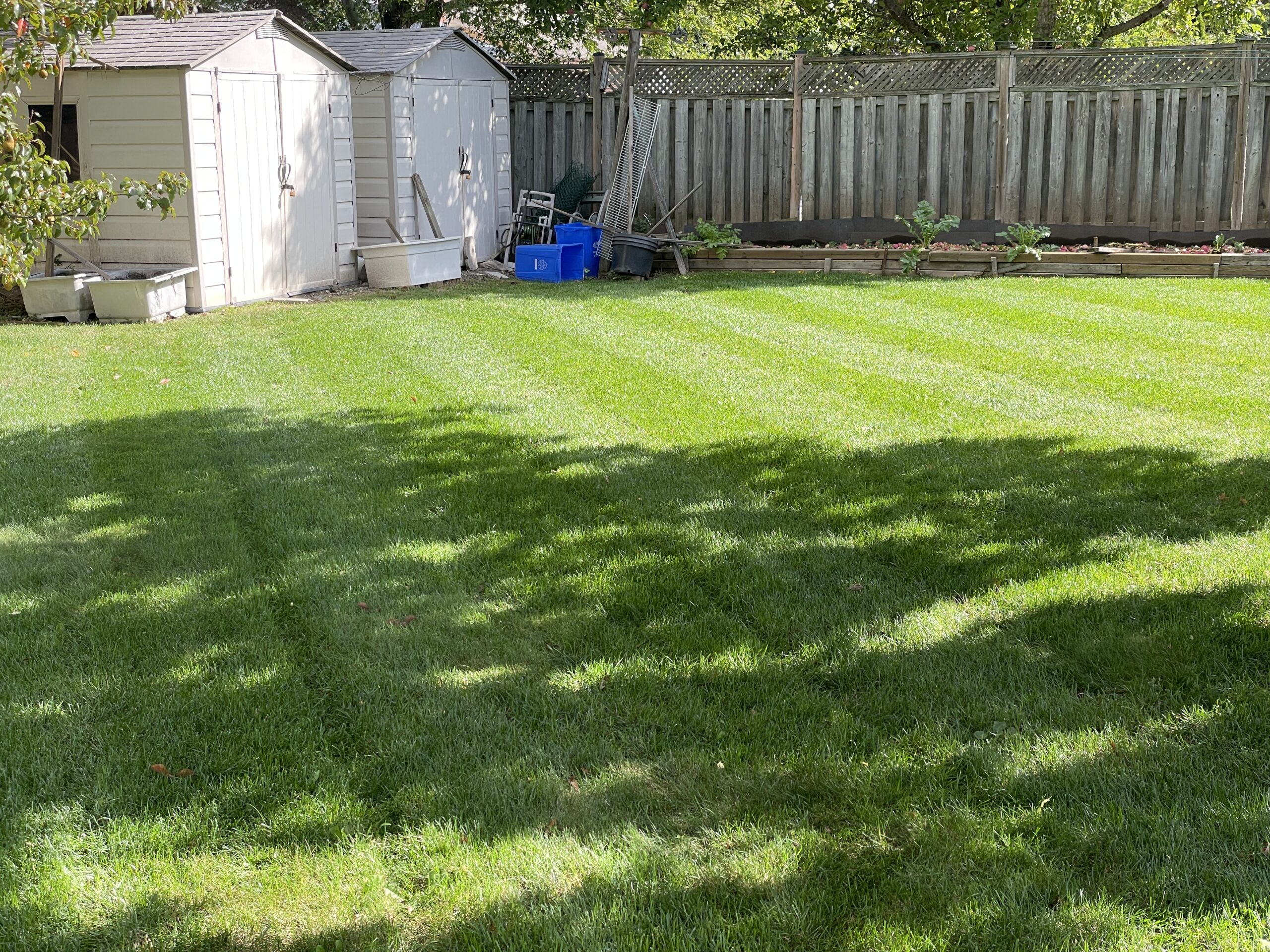
Healthy turf grown on loam or sandy loam soils, mowed properly, and not subjected to heavy traffic generally maintains adequate pore space on its own.
If your lawn:
- Drains reasonably well
- Supports healthy root growth
- Has not been driven or trampled regularly
…it likely does not need aeration.
Unnecessary aeration:
- Disrupts turf density
- Brings weed seeds to the surface
- Increases moisture loss
- Causes avoidable stress to grass plants
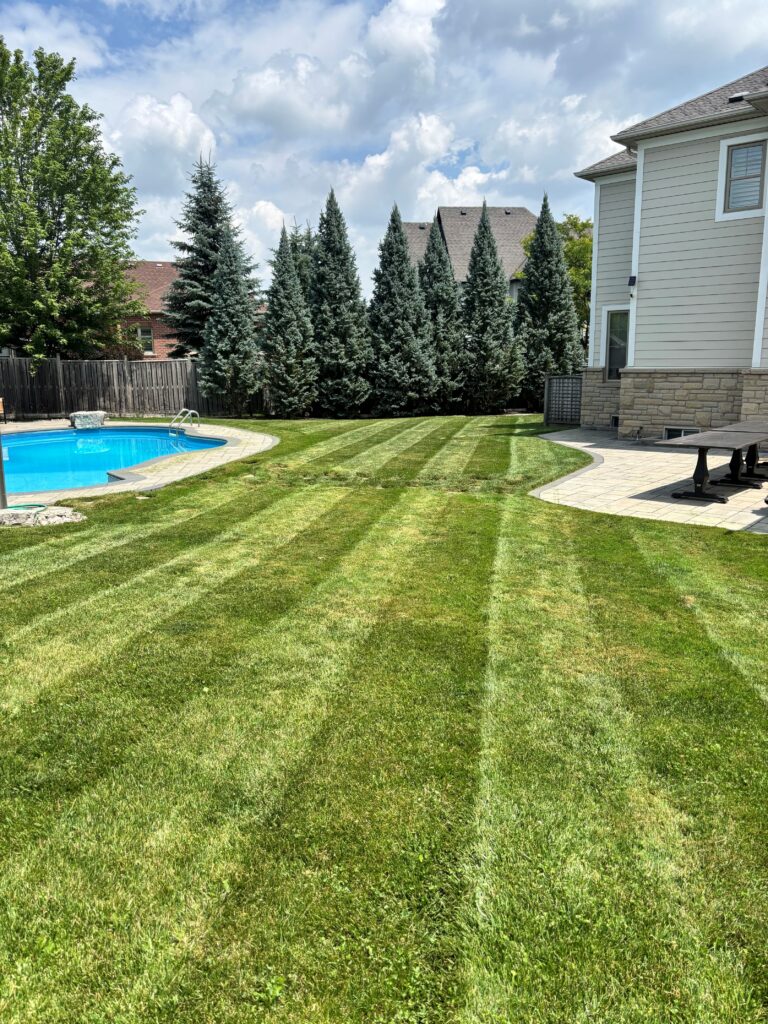
Timing Matters — A Lot
✅ Best Time: Late Summer (August to Early September)
The ideal time to aerate cool‑season lawns in Ontario is late summer, typically August into early September.
Why?
- Turf is entering its strongest recovery period called “vegetative growth”
- Soil temperatures encourage root regeneration
- Weed pressure is lower
- Recovery is fast and effective
This timing aligns with recommendations from the Guelph Turfgrass Institute and OMAFRA for stress‑recovery practices.
⚠️ Second‑Best Option: Mid to Late May
If aeration is genuinely necessary and late summer is not possible, mid to late May is a distant second choice. At this stage:
- Turf growth is active
- Soil temperatures are warmer
- Recovery is possible, but slower
This window should be used cautiously and only when compaction is clearly present.
❌ April Is a Destructive Time to Aerate
Despite its popularity in the marketplace, April is one of the worst times to aerate a lawn.
In April:
- Turf roots are shallow and energy‑depleted
- Soil is often wet, leading to smearing and tearing
- Weed seeds germinate aggressively
- Recovery is slow and incomplete
Spring aeration at this time often causes more harm than good and provides little long‑term benefit.
Education‑Based Lawn Care
At Verdant Landscape and Design Inc., our approach is grounded in education—not upselling.
We are:
- Graduates of the Niagara Parks Commission School of Horticulture
- Instructors in turf and landscape care at both Humber College and Mohawk College
Our recommendations are based on applied research, institutional training, and decades of professional field experience—not marketing trends.
Aeration has its place, but it is just one small part of a much bigger picture that includes:
- Proper mowing height and frequency
- Balanced fertility
- Soil health and organic matter management
- Appropriate irrigation
Want to Learn More?
We’ve put together a practical, no‑nonsense lawn care resource that explains these principles in plain language.
📘 Get a free PDF copy of our lawn guide, “Luscious Lawns”
Simply email:
matt@verdantlandscaping.ca
We’re happy to share what we teach our students and clients—so homeowners can make better, more informed decisions about their lawns.