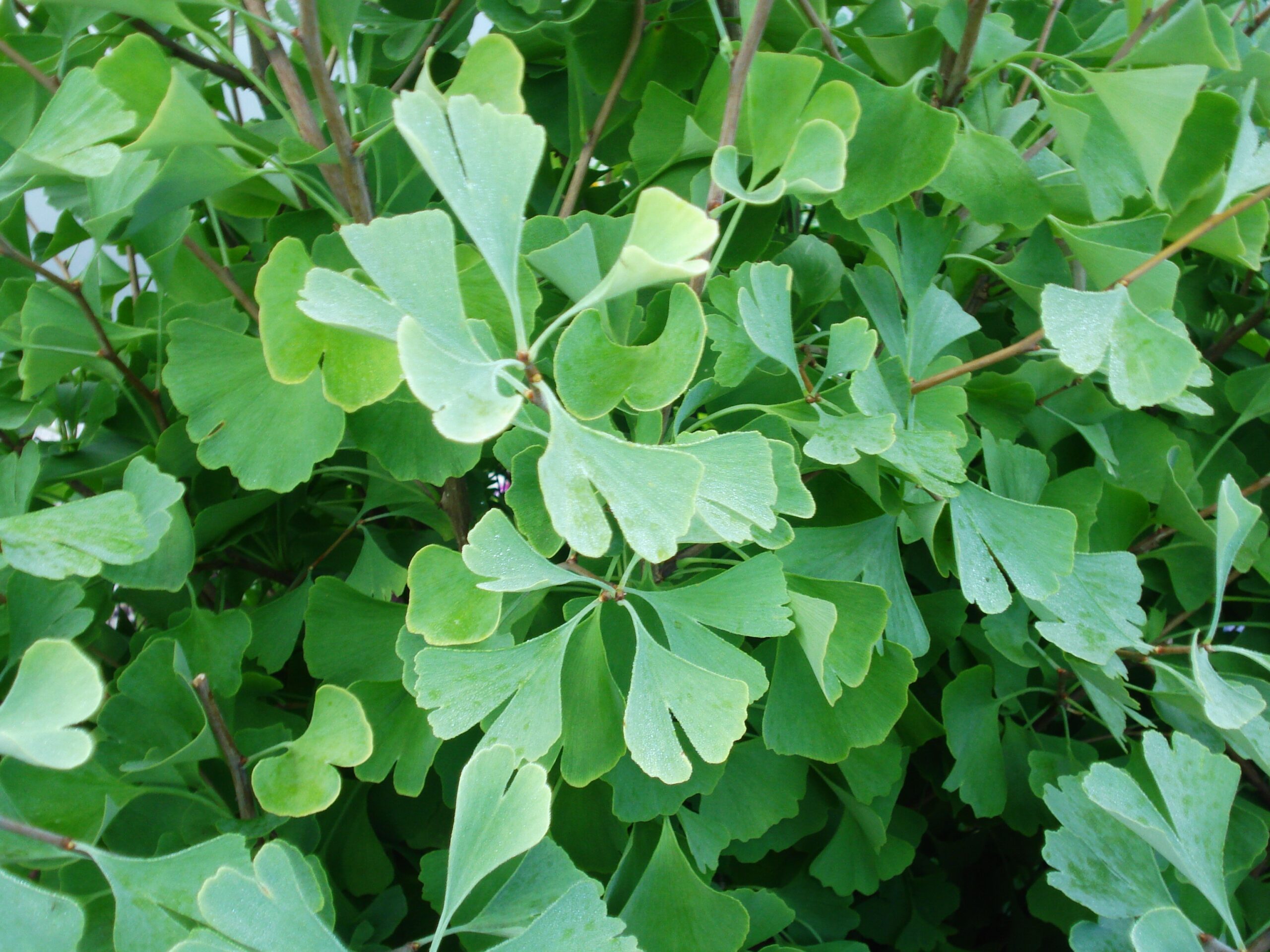
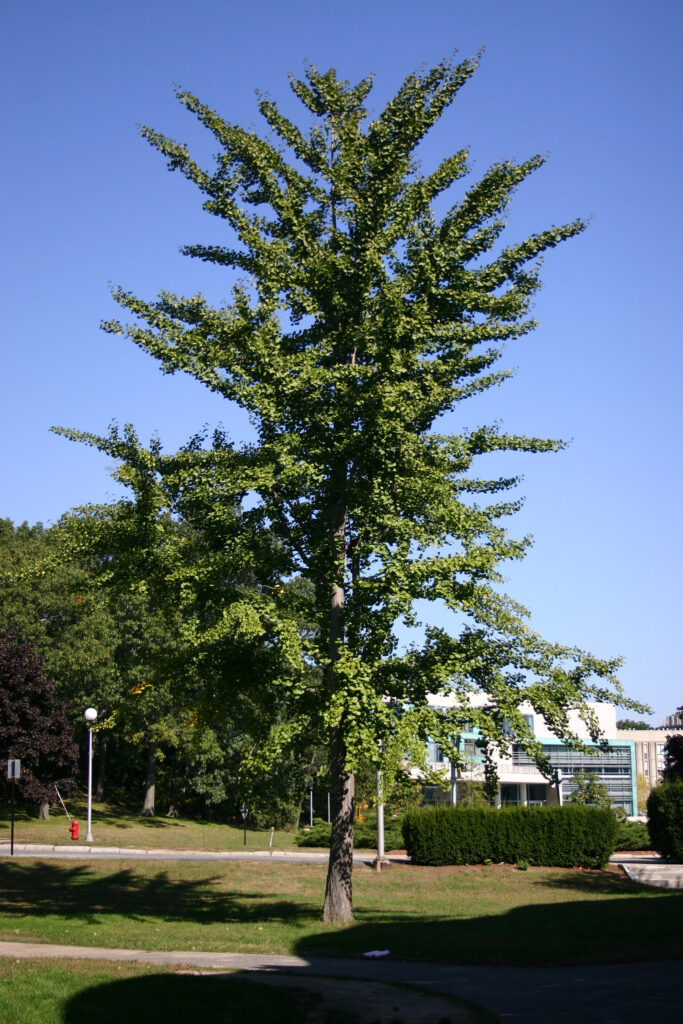
The Ginkgo biloba, often called the maidenhair tree, is one of the world’s most recognizable and resilient tree species—an ancient lineage dating back over 200 million years. In Canada, ginkgo has become a staple in the landscape trade, admired for its durability, unique fan‑shaped leaves, pollution tolerance, and brilliant fall colour.
A Brief History of Ginkgo in Canadian Landscapes
Although ginkgo is not native to Canada, fossil records show that it once existed in prehistoric North America, including regions that are now part of Canada. Modern reintroduction occurred primarily for ornamental and urban‑resilience purposes, where the species quickly proved adaptable in a wide range of landscape settings.
Ginkgo was first introduced to North America in the late 18th century and has since thrived in cooler temperate regions, including parts of eastern Canada and areas along the St. Lawrence River. Its ability to withstand harsh urban environments—pollution, salt, compacted soils, and temperature fluctuations—has made it a favourite among city planners, municipal arborists, and commercial landscapers.
Today, ginkgo is frequently planted in streetscapes, university campuses, parks, parking lots, and commercial developments across the country.
Why Ginkgo Is Popular in the Canadian Landscape Trade
Ginkgo’s popularity stems from several standout features:
- Exceptional Durability
Ginkgo is extremely resistant to pests, diseases, air pollution, and soil contaminants. It handles poor soils, drought, and winter salt spray—ideal traits for Canadian city environments.
- Stunning Seasonal Interest
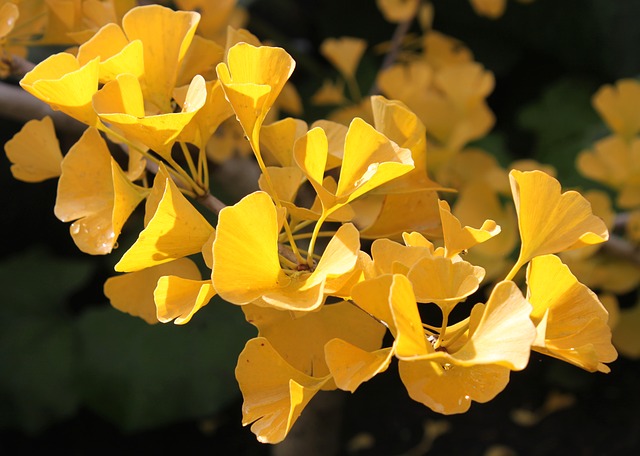
Its fan-shaped leaves transition from green to a luminous, uniform gold in autumn, often dropping all at once to create a striking golden carpet.
- Longevity and Low Maintenance
Many ginkgo trees can live centuries, even millennia, and require minimal pruning once established.
These traits make ginkgo a powerful investment in sustainable and visually impactful urban forestry.

Care and Maintenance of Ginkgo
Despite its ancient pedigree, ginkgo is incredibly easy to maintain once established:
Sunlight & Soil
- Prefers full sun but tolerates partial shade.
- Thrives in well‑drained soils—clay, sand, or loam are all acceptable.
Watering & Resilience
- Moderate watering needs during establishment; drought‑tolerant later.
- Handles pollution, salt, and urban stress exceptionally well.
Pruning
- Prune in late winter.
- Ginkgo is slow‑growing but becomes structurally strong with age.
Important Note: Choose Male Trees
Female ginkgo trees produce fleshy fruit with a strong, unpleasant smell. Landscape professionals exclusively select male cultivars for public spaces.

Ginkgo in Landscape Design
Ginkgo is incredibly versatile:
- Street Tree: Pollution‑hardy, uniform canopy, low pest pressure.
- Specimen Tree: Creates dramatic visual interest in four seasons.
- Avenue Planting: Rows of ginkgo form elegant, symmetrical boulevards.
- Commercial Sites: Handles compacted soils and reflected heat. [ginkgo-cms.com]
Its distinctive form—pyramidal when young and broad with age—allows it to work equally well in formal or naturalistic designs.

Interesting Ginkgo Cultivars Worth Considering
With hundreds of cultivars available, here are some standout selections for Canadian conditions:
- ‘Autumn Gold’
- Male, fruitless
- Broad, symmetrical canopy
- Brilliant gold fall colour
- ‘Princeton Sentry’
- Narrow, columnar form—excellent for tight spaces
- Male, low litter
- ‘Mariken’
- Compact, dwarf, globe-shaped
- Perfect for small gardens and containers
- ‘Menhir’
- Extremely narrow, upright columnar selection
- Striking blue‑green summer foliage
- ‘Weeping Wonder’
- Small weeping form with varied leaf shapes
- Architectural and perfect for feature plantings

Conclusion
Ginkgo is more than an ancient tree—it’s a future‑friendly choice for Canadian landscapes. Hardy, visually commanding, long‑lived, and adaptable, it belongs in the palette of every designer, gardener, or urban forester.
If you have questions, want help selecting a cultivar, or need guidance incorporating ginkgo into your landscape plan, reach out anytime—I’d love to help.