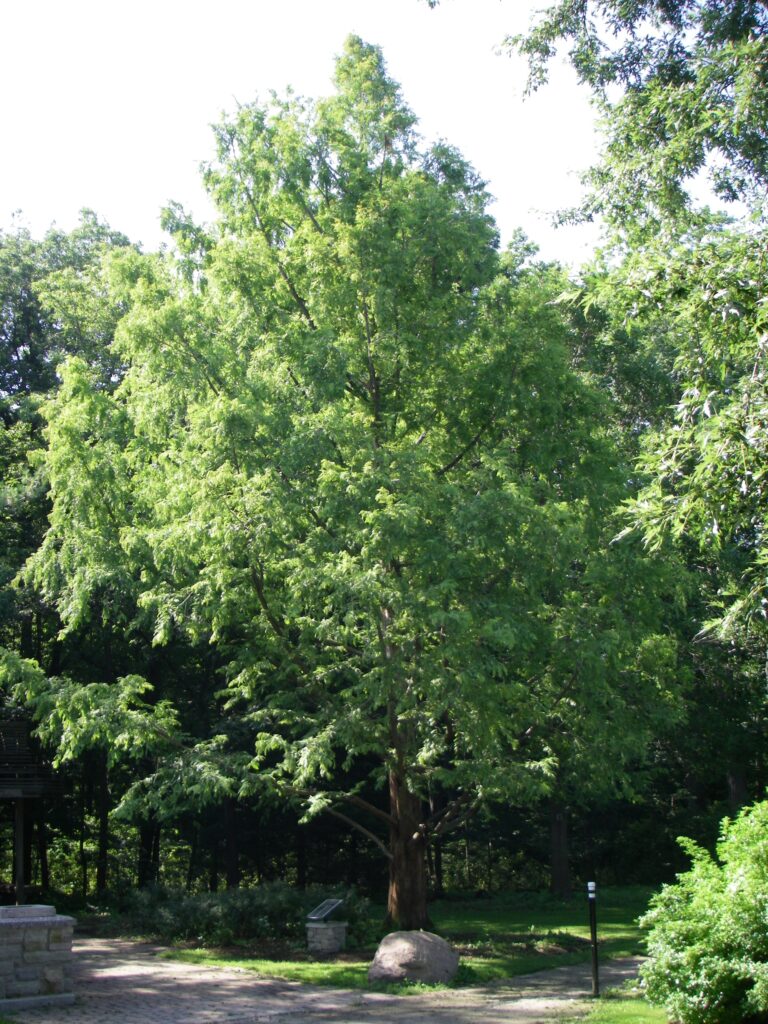
Few trees have a story as remarkable as Metasequoia glyptostroboides, better known as the Dawn Redwood. Once believed extinct and known only through fossil records, this species suddenly reappeared in the 20th century—alive, thriving, and ready to reclaim its place in the modern landscape. Today, it stands as one of the most captivating specimens a designer, gardener, or tree enthusiast can add to their collection.
Whether you admire it for its ancient lineage, its graceful feathery foliage, or its astonishingly quick growth, Metasequoia offers a unique blend of beauty, resilience, and ecological value.
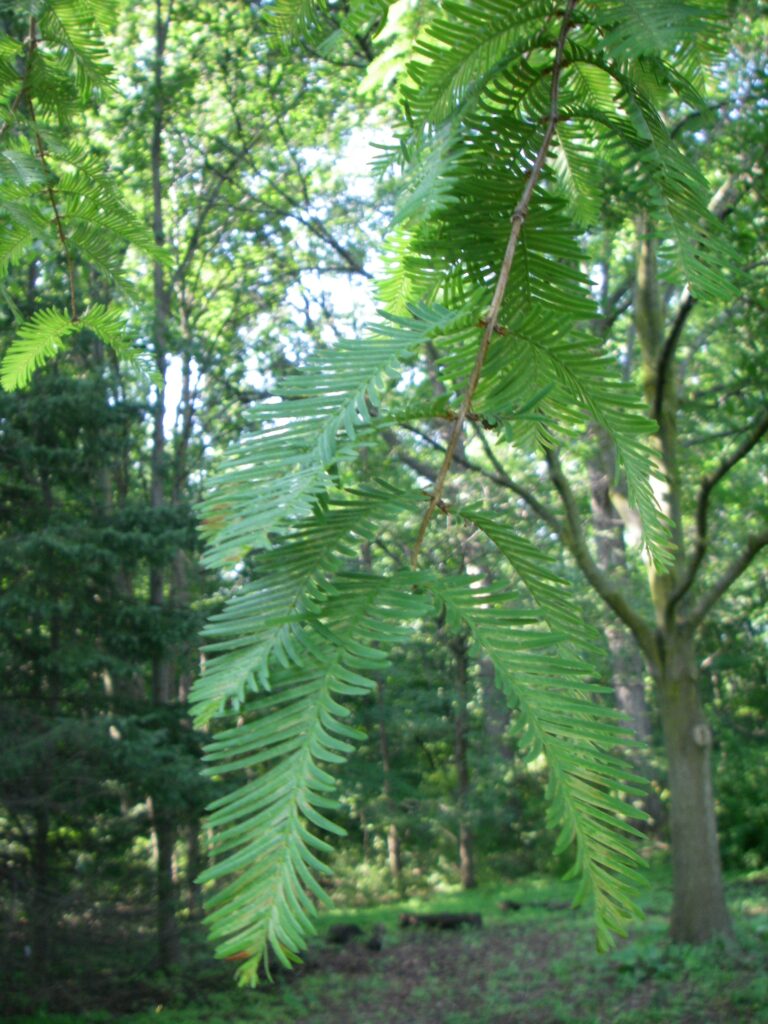
A Living Fossil Rediscovered
For millions of years, Metasequoia was known only from fossils dating back to the Mesozoic Era, earning it the title of a “living fossil.” The scientific world assumed it had long vanished—until 1944, when living specimens were discovered in a remote valley in Hubei Province, China.
This extraordinary find led to international botanical expeditions, preservation efforts, and seed distribution programs. By the early 1950s, Dawn Redwood seedlings were growing in arboretums and botanical gardens across North America and Europe.
Today, thanks to those preservation efforts, Metasequoia glyptostroboides is no longer rare—and gardeners everywhere can enjoy a tree once known only through prehistoric impressions in stone.
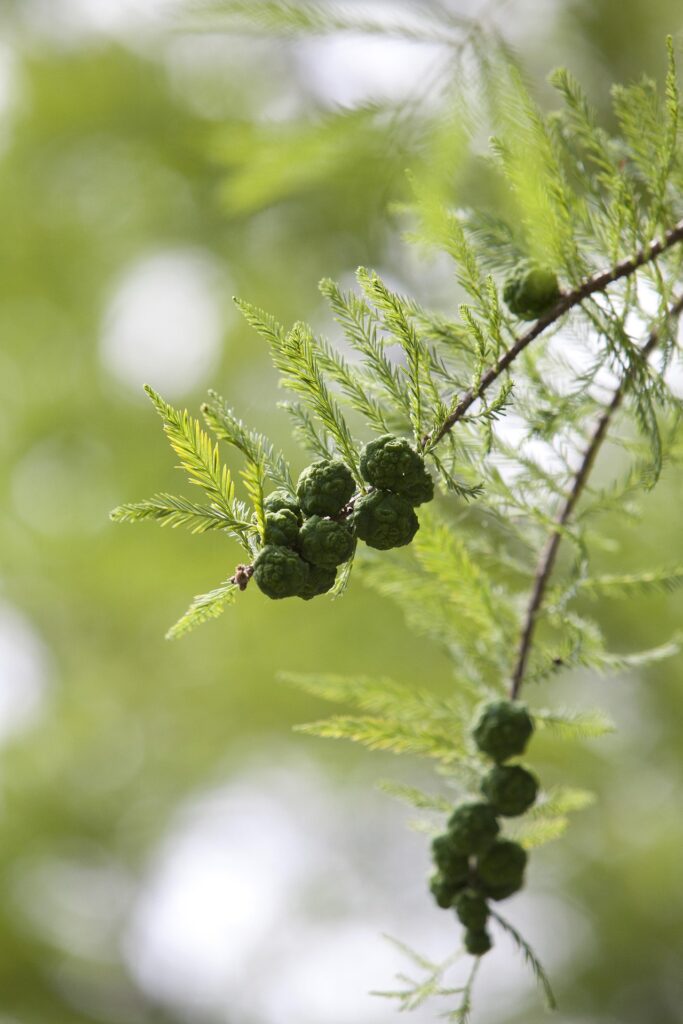
How Dawn Redwood Enhances the Landscape
- Fast Growth and Dramatic Presence
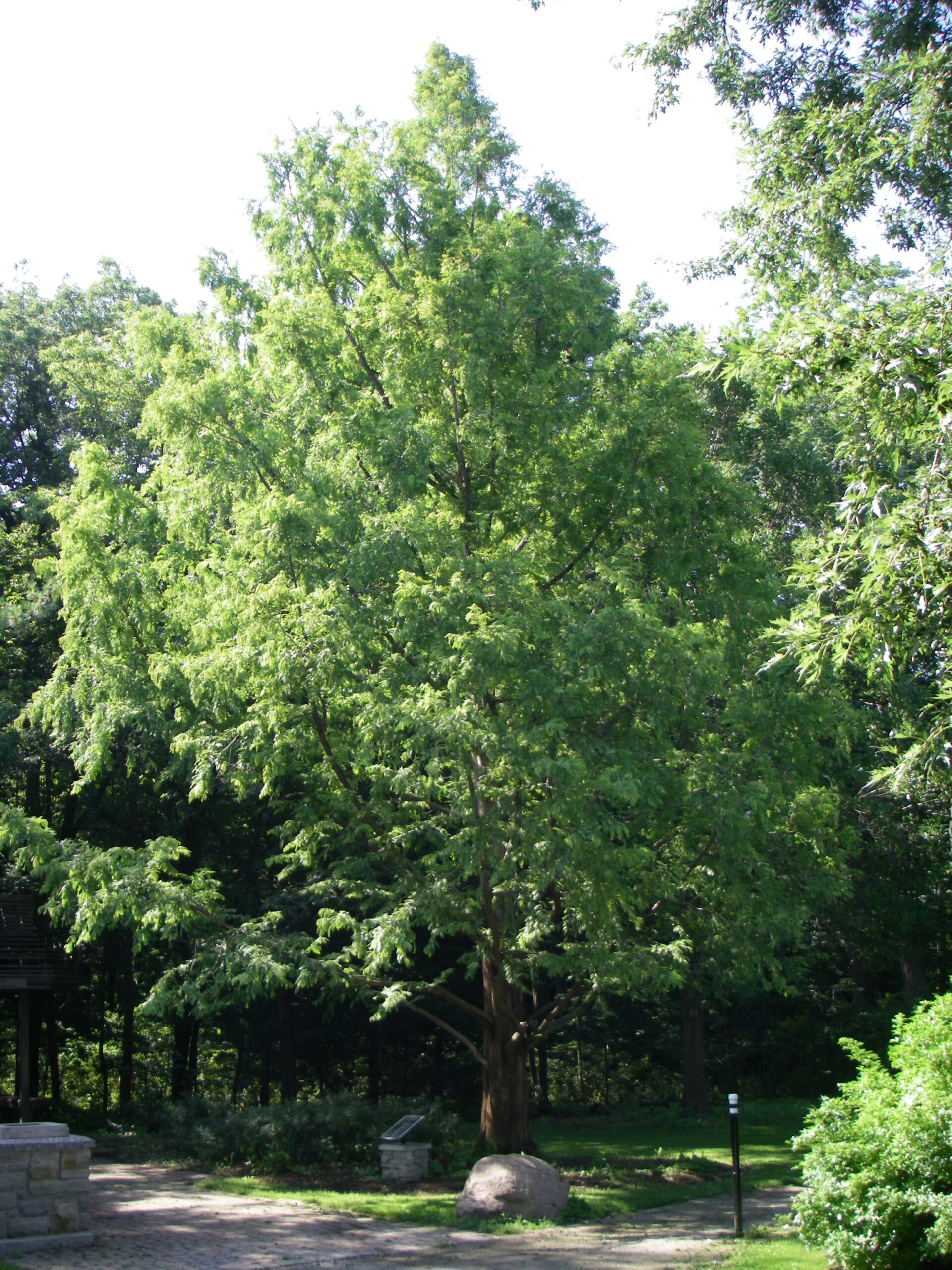
Dawn Redwoods are exceptionally fast growers, often putting on 2–4 feet of height per year under ideal conditions. At maturity, they typically reach:
- 70–100 feet tall
- 25–35 feet wide
This makes them ideal for:
- Estate landscapes
- Parks
- Large residential lots
- Campus plantings
- Lakeside or riverbank plantings
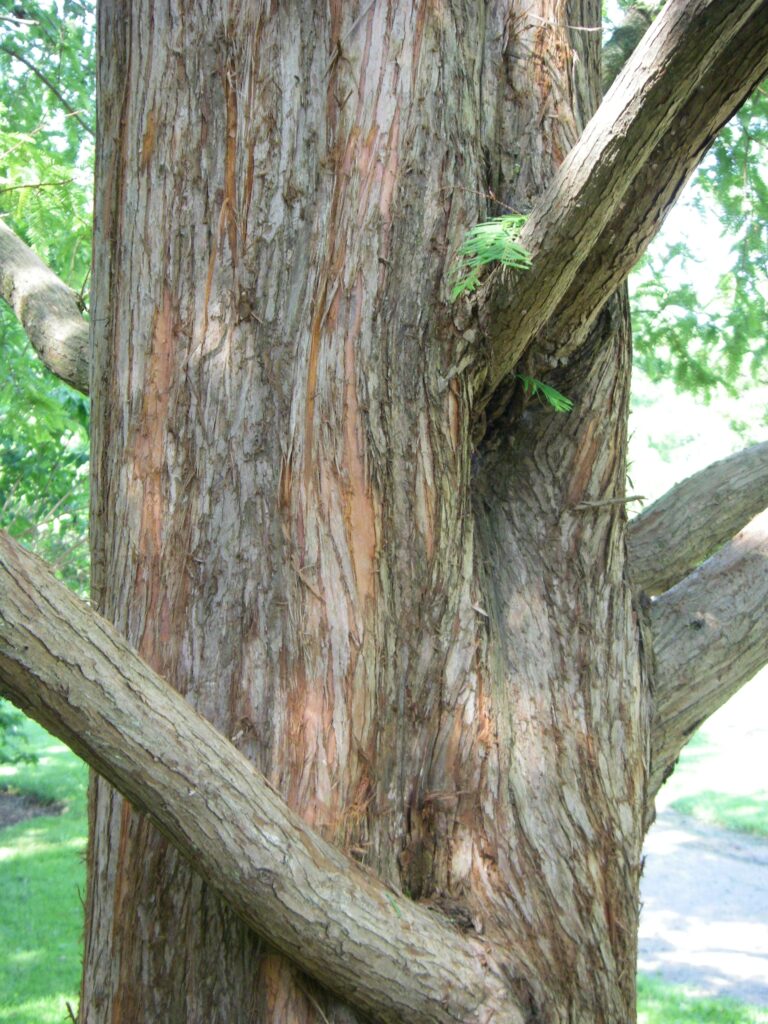
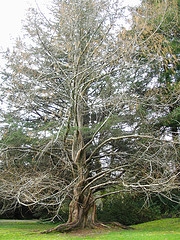
Their pyramidal form, fine-textured foliage, and reddish fibrous bark make them visually stunning as focal points or in group plantings.
- Deciduous Conifer with Unique Seasonal Beauty
Unlike most conifers, Dawn Redwoods are deciduous, shedding their needles each fall.
- Spring: Soft, bright green needles emerge.
- Summer: Foliage becomes deeper green, forming a soft, feathery canopy.
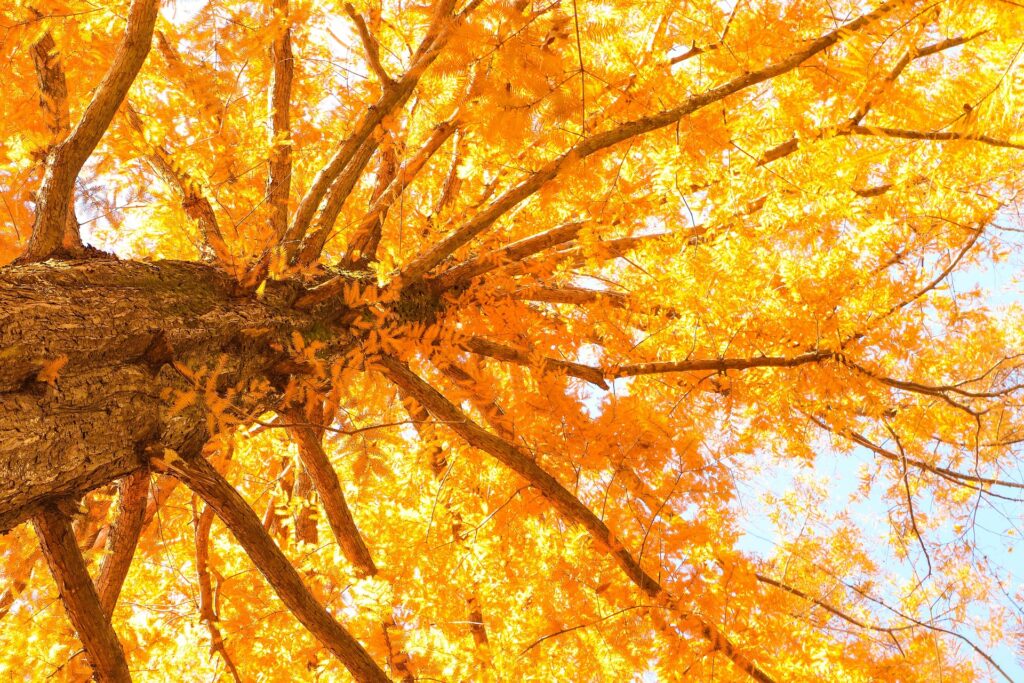
- Fall: The tree glows in shades of copper, apricot, and russet before the needles drop.
- Winter: The beautiful reddish bark and fluted trunk are on full display.
This four-season interest makes it a standout in almost any setting.
- Ideal Conditions
Dawn Redwoods thrive when given:
- Full sun
- Moist, well-drained soil (though they tolerate clay and occasional flooding)
- Lots of space to grow
They are notably tolerant of urban air pollution, making them suitable for city and suburban landscapes alike.
Pest and Disease Concerns
One of the reasons Dawn Redwood is prized in horticulture is its minimal pest pressure.
Common Issues (Generally Minor)
- Canker Diseases: Occasionally appear in stressed trees; typically manageable with proper watering and pruning.
- Bagworms: Can feed on foliage but rarely cause serious damage.
- Japanese Beetles: May skeletonize needles in midsummer, though usually not severely.
- Spider Mites: Occasionally appear during hot, dry weather.
Overall, Dawn Redwoods are far less troubled by pests and diseases than many commonly planted landscape trees. With proper siting and routine care, they remain healthy and vigorous for decades.
Why Dawn Redwood Deserves a Place in Modern Landscapes
Whether you’re drawn by its history or its horticultural performance, Metasequoia glyptostroboides delivers remarkable benefits:
- An awe-inspiring botanical story
- Rapid growth and strong visual impact
- Four-season beauty
- Adaptability to varied soils and climates
- Low maintenance with minimal pest issues
It’s a tree that connects us to the deep past while thriving in the landscapes of the future.
Have Questions or Thoughts?
I’d love to hear from you!
If you’re thinking about planting a Dawn Redwood, have questions about care or placement, or want help selecting the right specimen for your site, feel free to reach out in the comments or contact me directly.
Let’s keep this conversation growing—just like the incredible Metasequoia itself.