A Classic Late‑Blooming Woody Plant
If you want colour when most shrubs are finished for the season, Hibiscus syriacus, commonly called Rose‑of‑Sharon, is one of the best options. Blooming from mid‑summer into early fall, it fills that seasonal gap when gardens often start to fade.
This hardy hibiscus has been used in Canadian landscapes for decades, loved for its resilience, long bloom time, and tropical‑looking flowers that bring drama to any yard.
Shrub or Standard: Two Beautiful Forms
Rose‑of‑Sharon is versatile in its growth habit and can be trained in two distinct forms:
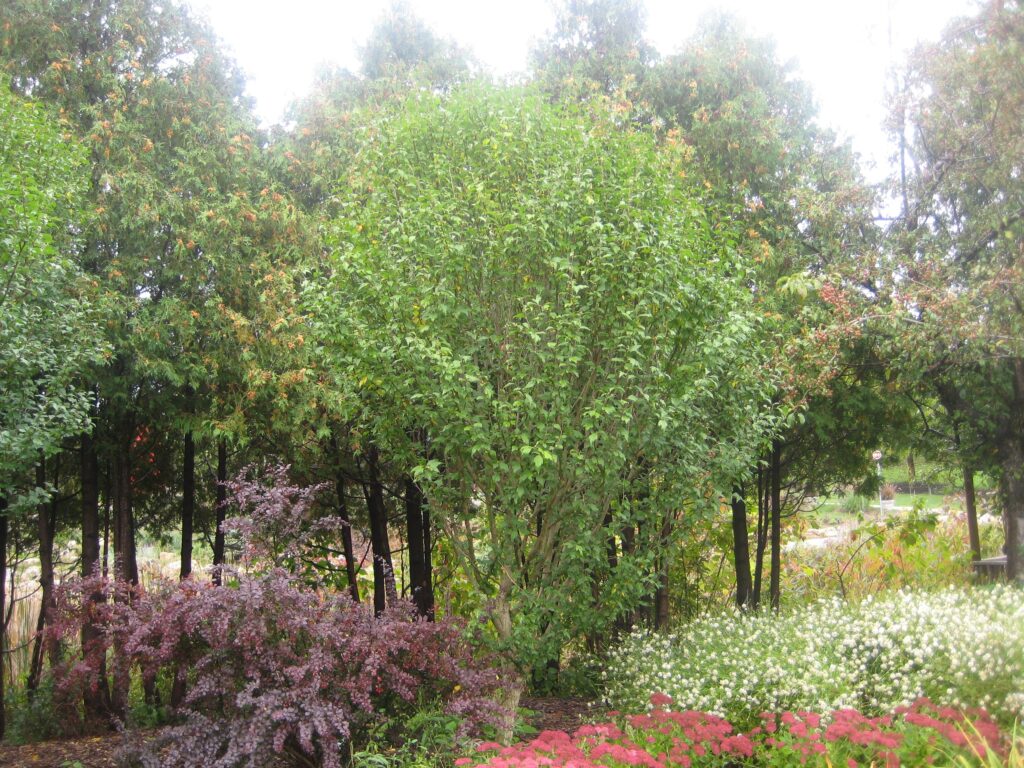
🌿 As a Multi‑Stem Shrub
Its natural growth habit—full, upright, vase‑shaped, and excellent for borders or as a summer “feature shrub.”
🌳 As a Standard (Small Tree)
Often grafted or trained into a single trunk, creating a mini flowering tree perfect for patios, entryways, or formal gardens.
Both forms offer exceptional ornamental value, especially when nothing else is blooming.
Flower Types: Fertile vs. Sterile
One of the most important horticultural details—especially for homeowners and landscapers—is understanding the difference between flower forms.
Single Flowers (Fertile)
- Produce seeds
- Seedlings can self‑sow aggressively, becoming problematic
- Often found in older landscapes
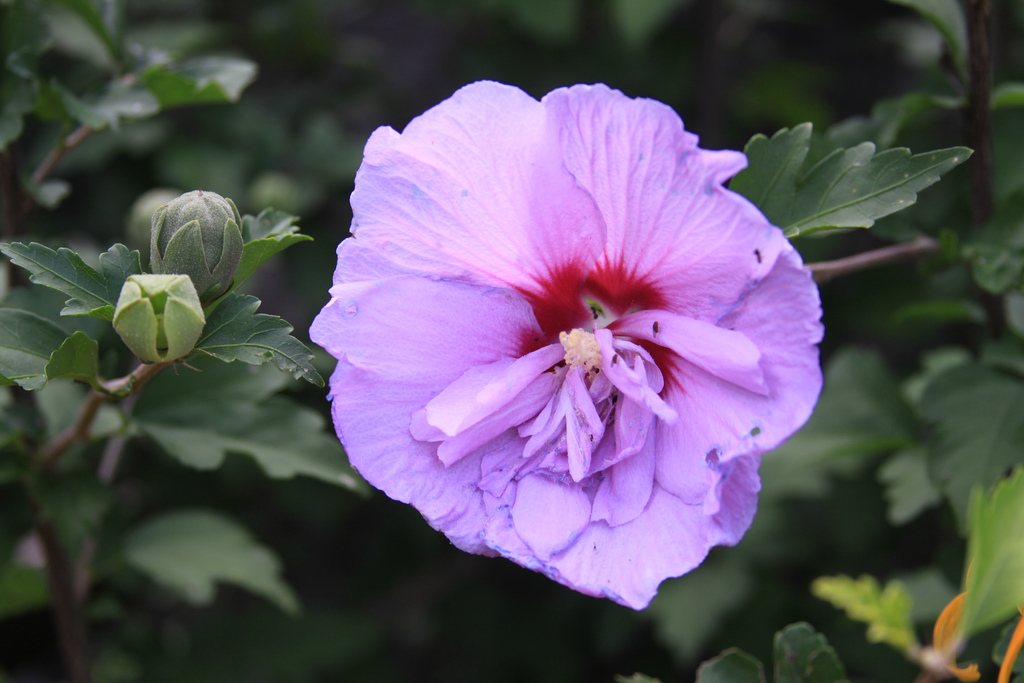
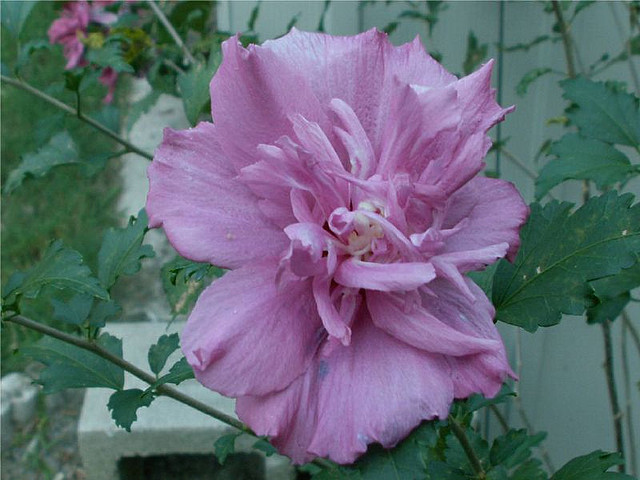
Double Flowers (Sterile)
- Do not produce seed
- No unwanted seedlings
- A cleaner, more manageable landscape choice
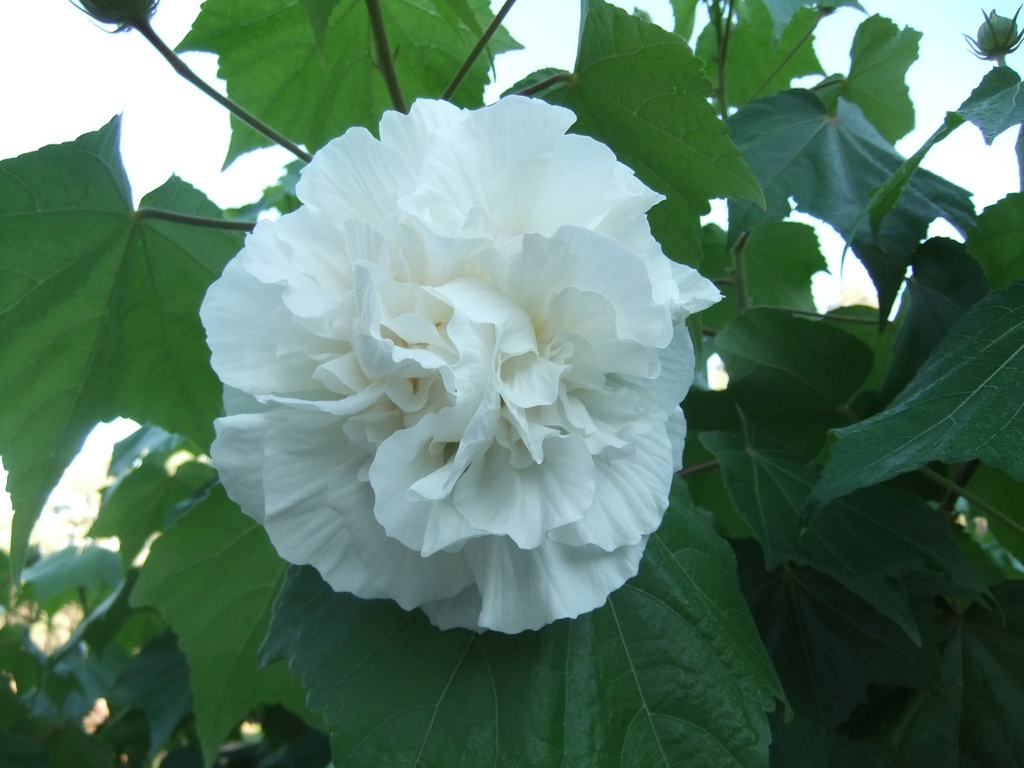
Many gardeners prefer doubles for this reason—they provide showy blooms without the maintenance of pulling seedlings every spring.
A Rainbow of Colours
Hibiscus syriacus comes in an impressive range of colours, making it easy to match any design palette:
- White
- Pink
- Lavender
- Blue tones (rare among woody plants!)
- Bi‑colours and variegated-eye cultivars
Newer cultivars also offer improved flower size, better shrub structure, and reduced seeding.
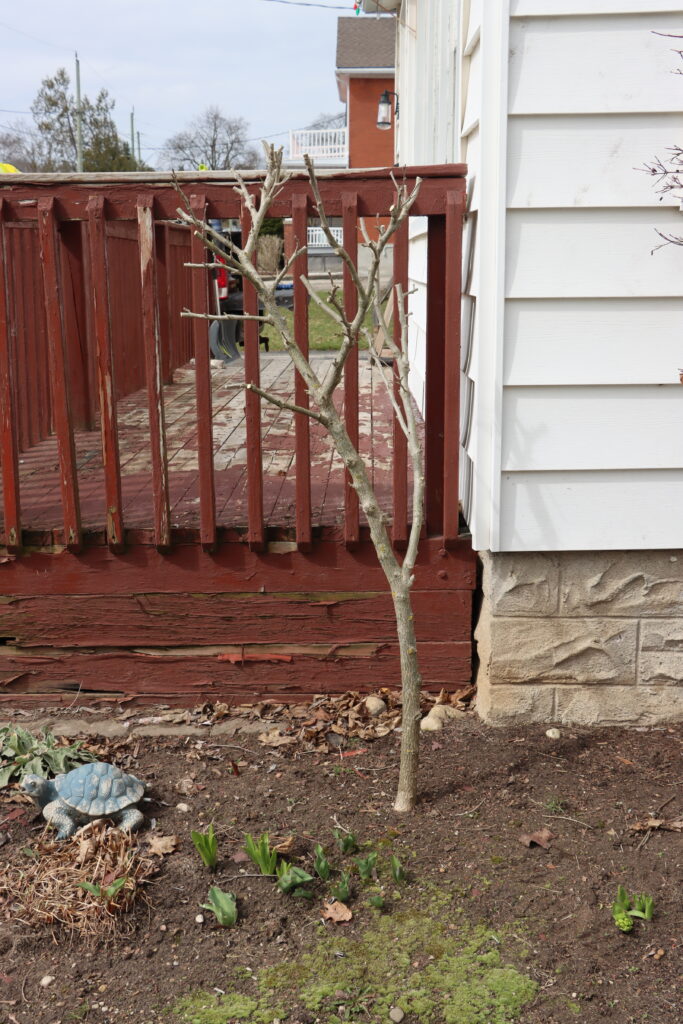
How and When to Prune
Rose‑of‑Sharon is a summer‑flowering woody plant, which means it blooms on current season’s growth.
✂️ Best Time to Prune:
Early spring before new growth begins.
Pruning Tips
- Remove dead or crossing branches
- Thin out the center to improve airflow
- Shorten branches to encourage fuller flowering
- For standards, maintain a clear trunk and tidy head shape
It’s a forgiving plant—perfect for gardeners learning ornamental pruning.
Why It’s a Great Landscape Plant
✔️ Tolerates heat and urban conditions
✔️ Low maintenance once established
✔️ Attracts pollinators (especially single-flowered types)
✔️ Deer-resistant in many areas
✔️ Provides late-season colour when it’s needed most
Rose‑of‑Sharon is one of those shrubs that earns its keep—year after year.
Quick Facts
- Hardy in Zones 5–9
- Native to Asia, widely naturalized in North America
- Can live for decades with proper care
- Sterile doubles are ideal for low‑maintenance yards
- Excellent for late‑summer colour in mixed borders
Have Questions About Hibiscus syriacus? We’d Love to Help.
If you’re thinking about adding Rose‑of‑Sharon to your landscape—or want advice on choosing between single or double forms—leave a comment or send me a message.
🌿 Looking to redesign your garden? Book a FREE landscape consultation anytime.