The Eastern White Pine is one of North America’s most iconic native conifers, admired for its soft, feathery needles, stately form, rapid growth, and ecological importance. Whether you’re a homeowner, landscaper, nursery professional, or horticulturist, this species delivers exceptional beauty and environmental value.
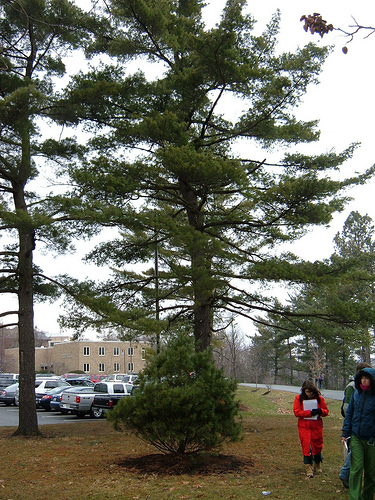
White Pine Care Guide
Planting Requirements
- Light: Thrives in full sun, tolerating partial shade—needs 6+ hours of direct sunlight for best growth.
- Soil: Prefers well-drained, acidic to neutral, sandy or gravelly loam; does not tolerate poorly drained or alkaline soils. It will develop chlorosis on alkaline, clay soils.
- Spacing: With a mature size of 50–80 ft tall and 20–40 ft wide, give it generous space away from structures and utilities. It needs space to SHINE!
- Hardiness: Performs well in Canadian plant hardiness zones 4 to 9.
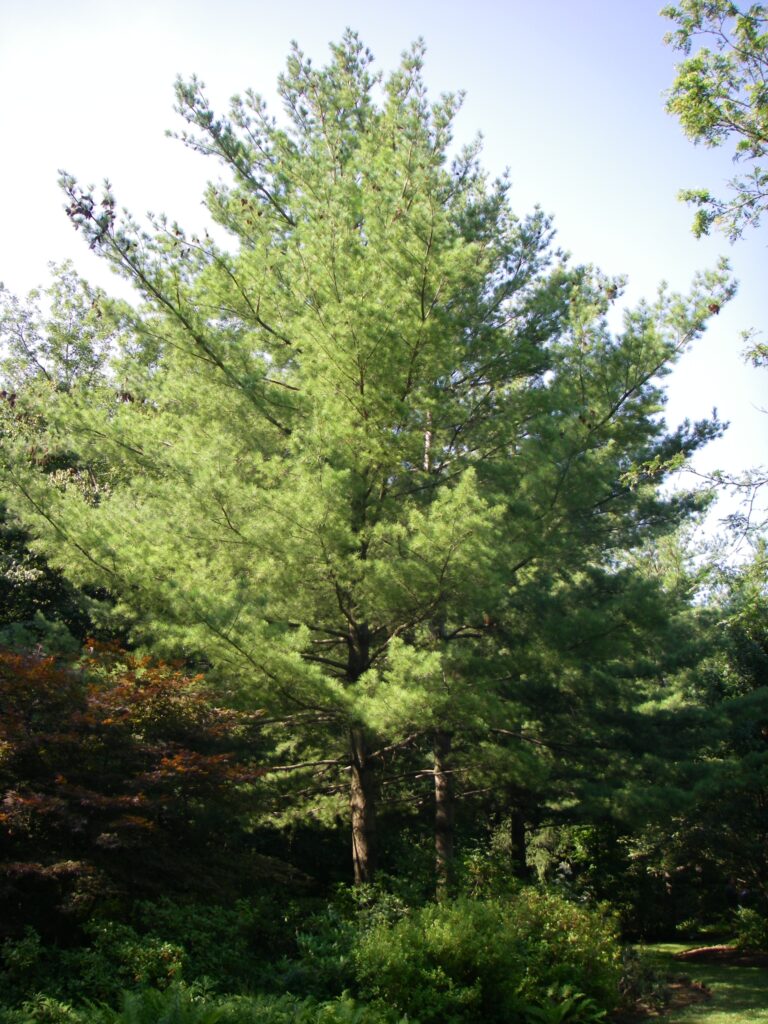
Planting Tips
- Dig a hole 2–3× wider than the root ball and plant with the root collar level with the soil surface. Take care with this step – it is the second most important step. The first most important step is choosing the correct site to plant!
- Backfill with native soil, avoiding unnecessary amendments.
- Mulch 2–3 inches deep, keeping material away from the trunk.
Watering & Fertilizing
- Young trees: About 1 inch of water per week during the 6‑week establishment period.
- Established trees: Drought tolerant but benefit from watering during extended dry spells.
- Fertilize only if a soil test indicates need, using a balanced, slow‑release fertilizer for acid-loving plants.
Pruning & Maintenance
- Minimal pruning required—remove only dead, diseased, or damaged branches. Avoid topping. In face NEVER top any tree
- Expect seasonal needle drop in fall; these can be used as mulch or kindling.
Common Issues
- Diseases: White pine blister rust, cankers, and blights. ]
- Insects: White pine weevil, bark beetles, pine sawfly, Zimmerman moth larvae, scale, and aphids.
- Environmental sensitivities: Not tolerant of air pollutants like sulfur dioxide or ozone; can suffer wind and snow damage.
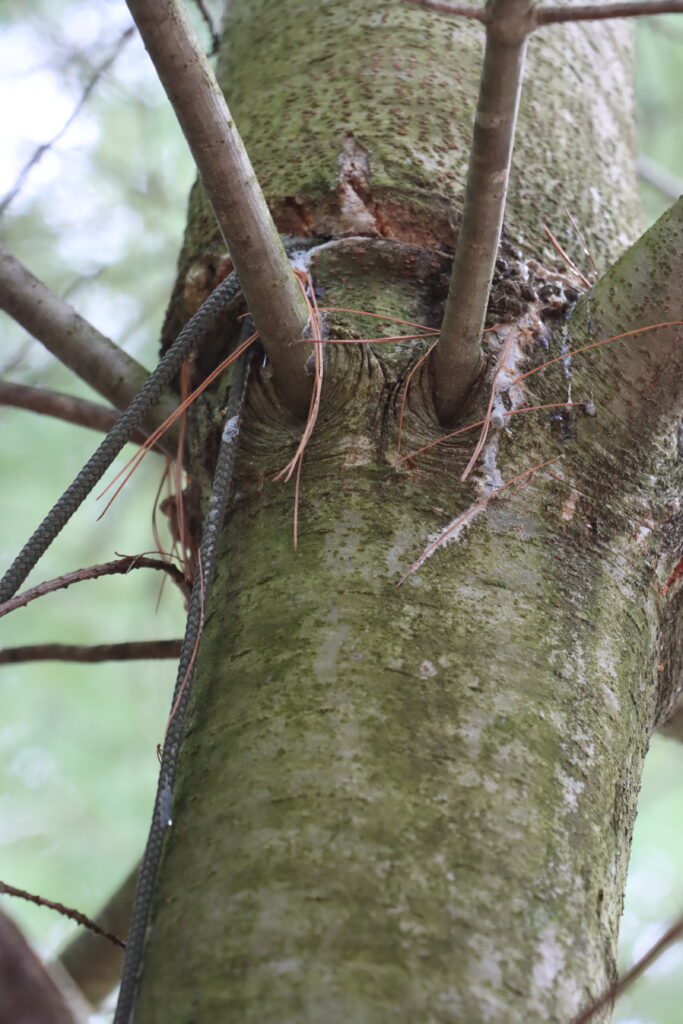
White Pine in the Landscape
Aesthetic & Functional Uses
- Privacy Screens & Windbreaks: Dense, fast-growing foliage makes it ideal for natural barriers.
- Specimen Tree: Its graceful structure and bluish-green needles create year-round focal points.
- Woodland & Naturalized Areas: Performs beautifully in large properties, parks, and reforestation sites.
- Pollinator & Wildlife Gardens: Provides habitat and food for birds, small mammals, and beneficial insects.
- Holiday & Decorative Uses: Cones often used in crafts and seasonal décor; sometimes grown as Christmas trees.
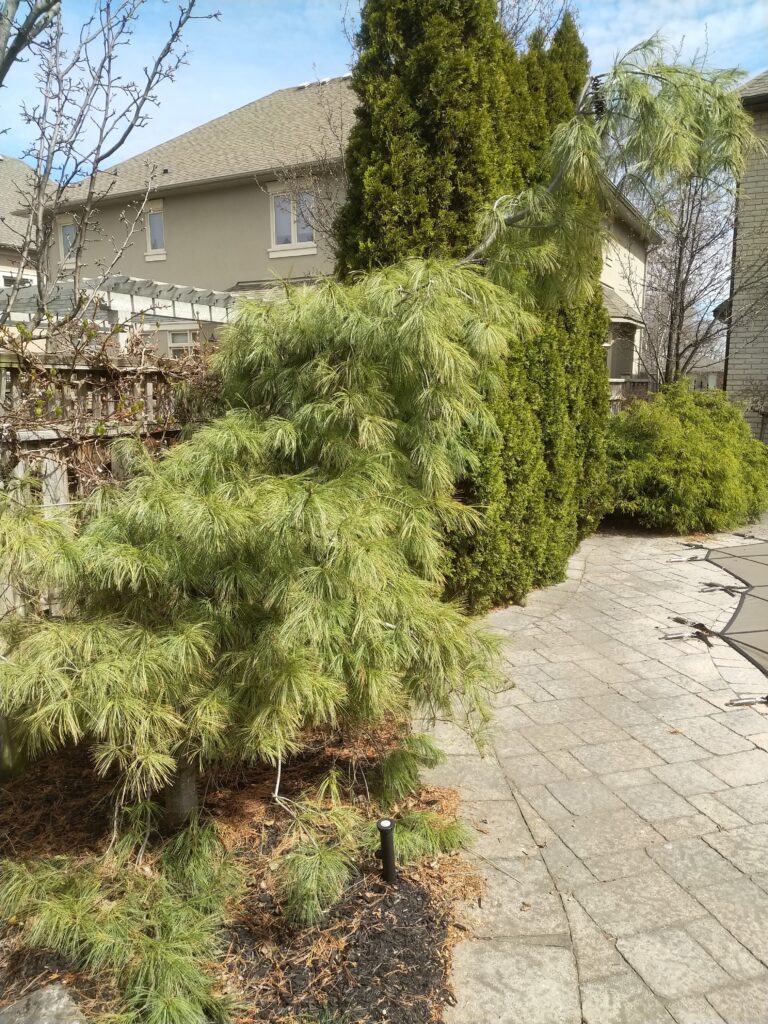
Landscape Considerations
- Leaves lower limbs with age, reducing screening near ground level.
- Fragile branches are vulnerable to heavy snow loads and ice storms.
- Not recommended near homes in wildfire‑prone areas due to high flammability rating.
Fascinating & Blog‑Friendly Facts
Historical & Cultural Significance
- Iconic Native Species: One of the tallest and most historically important trees in eastern North America, once reaching heights over 150 ft in the wild.
- Official Arboricultural of Ontario
- Extensively used for timber in the 18th and 19th centuries due to its straight, light wood ideal for ship masts.
Botanical Highlights
- Needles occur in bundles of five, a key identification feature.
- Long lifespan: Commonly 200–250 years, with some living over 400 years.
- Produces elegant, pendent cones 4–8 inches long.
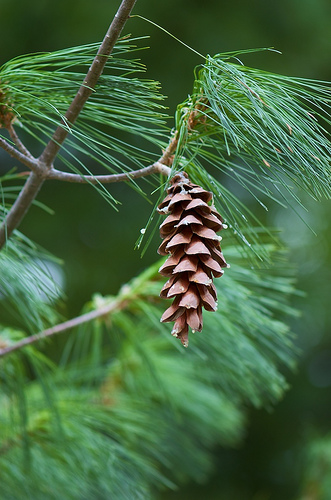
Growth Performance
- Fast-growing: Typically 12–18 inches per year, depending on conditions.
- Drops soft needles annually—these make excellent acidic mulch.
Let us know if you’d like more information about this iconic tree or to book a free landscape consultation.