When it comes to creating a beautiful and sustainable landscape, plant selection is both an art and a science. Choosing the right plants for your region ensures your garden thrives with less maintenance, fewer resources, and more visual appeal. At Verdant Landscape and Design Inc., we believe that successful landscapes start with understanding your environment.
Why Regional Plant Selection Matters
Plants adapted to your local climate and soil conditions are naturally more resilient. They likely require less water, fewer fertilizers, and are often better equipped to handle local pests and diseases. This means:
- Lower maintenance costs
- Healthier ecosystems
- Year-round beauty
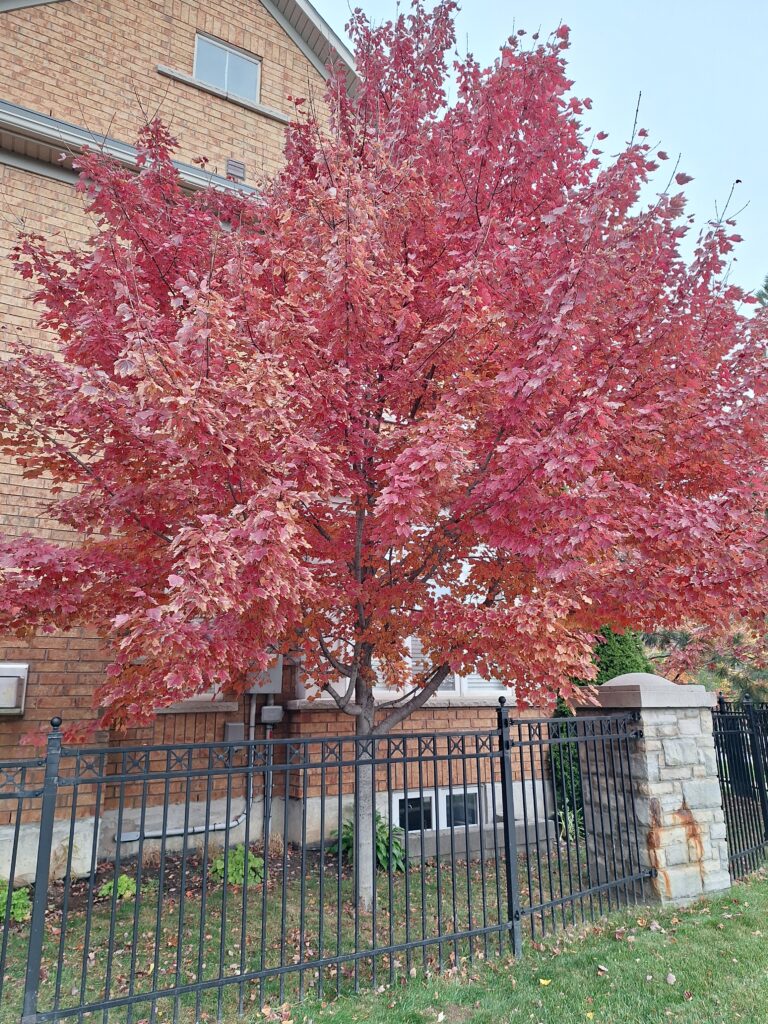
Step 1: Know Your Hardiness Zone
The Canadian Plant Hardiness Site is your starting point. It divides regions based on several climatic parameters. Knowing your zone helps you select plants that can survive your winters and thrive in your summers.
Step 2: Understand Your Site Conditions
Every yard is unique. Consider:
- Sunlight: Full sun, partial shade, or full shade? These are the accepted definitions of:
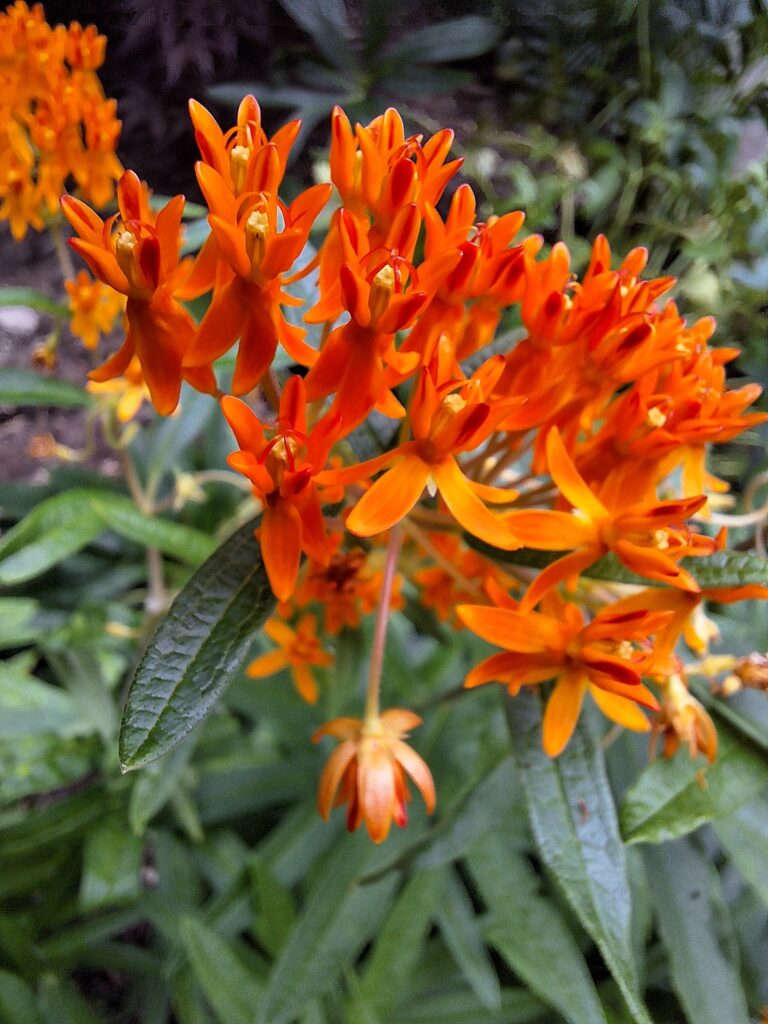
- Full Sun – 6+ hours of direct sunshine. Ideal for light and heat loving plants such as roses and tomatoes.
-
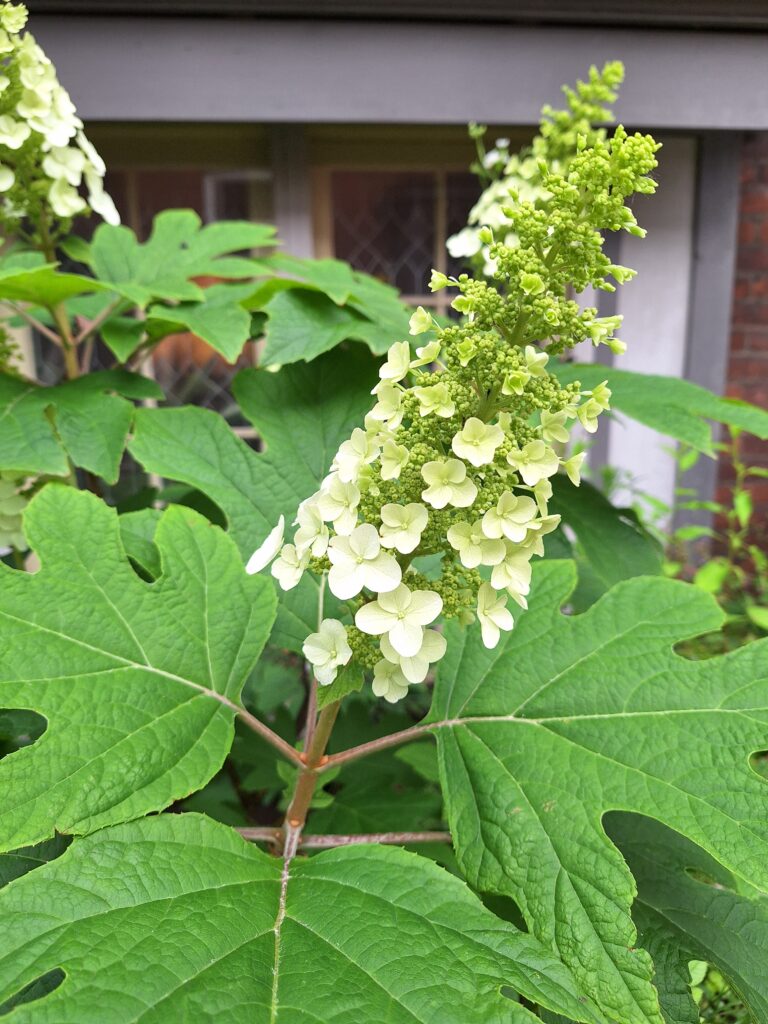
- Part Sun – 4 to 6 hours direct sun, often morning sun, afternoon shade. Hydrangea and daylilies like these conditions.
-
- Shade – Less than 4 hours direct sun
- Dappled shade / light shade – filtered through trees. Ferns and astilbe like these light conditions.
- Bright shade / moderate shade – Indirect, reflected light. Impatiens and begonias are suited for this location.
- Full shade / deep shade – Very little to no direct light – hosta and lungwort.
- Shade – Less than 4 hours direct sun
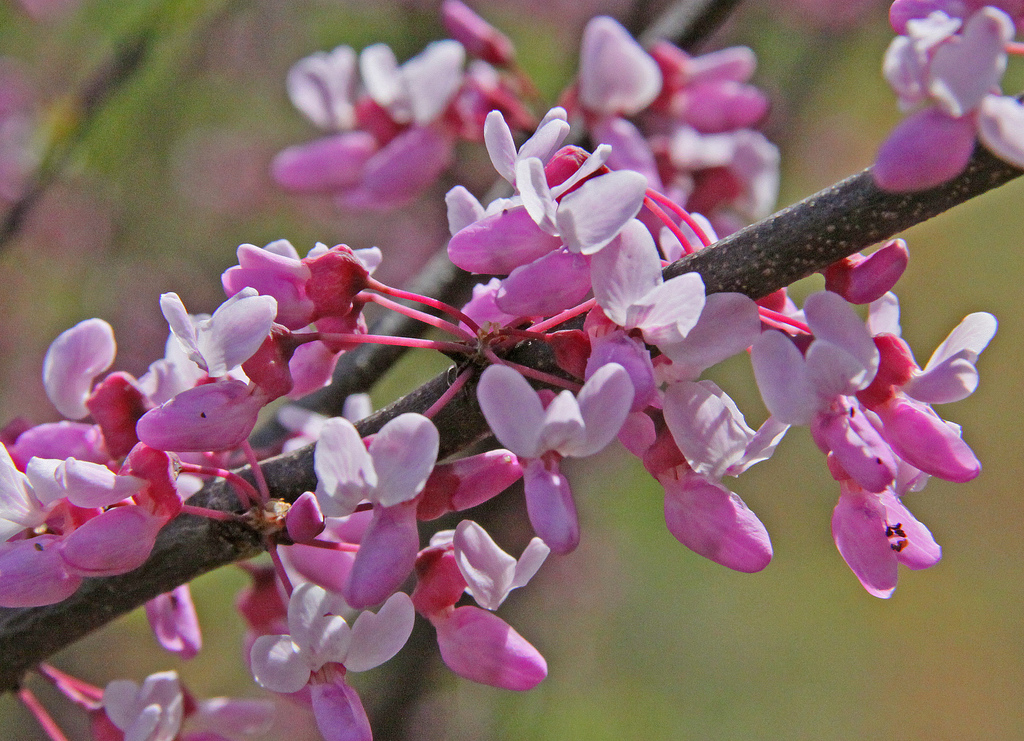
- Soil Type: Sandy, clay, loam? It is easy to say that most of southern Ontario is clay soil. There are pockets of loamy soil and pockets of sandy soil Understanding the soil texture is key to plant success.
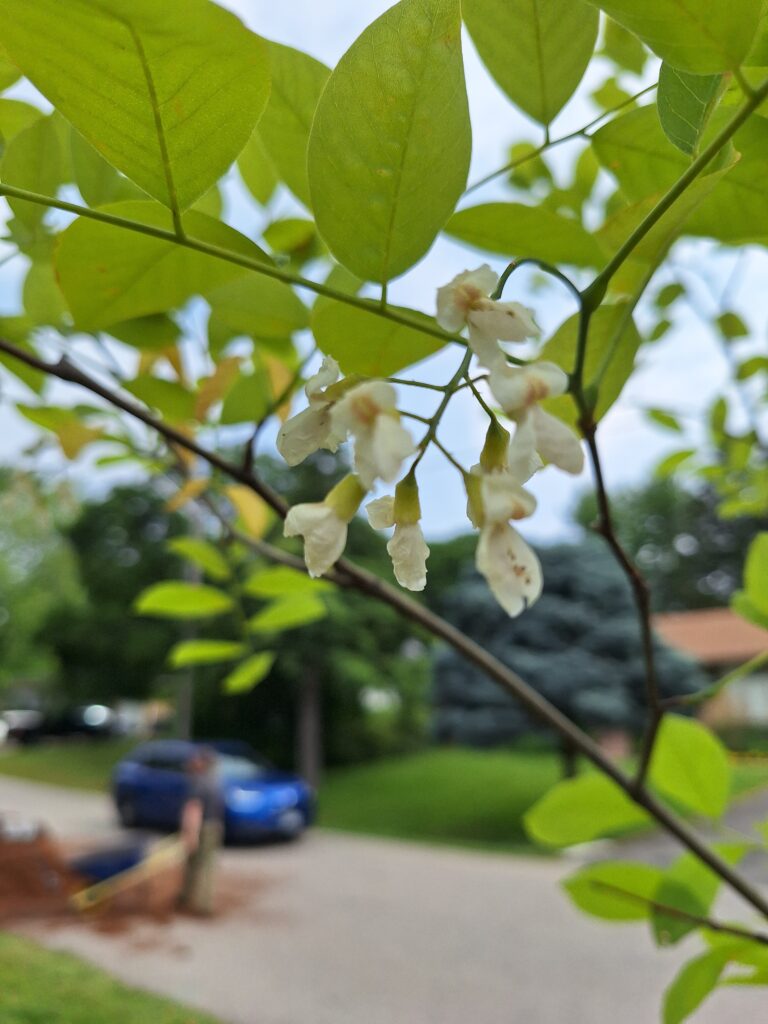
- Moisture Levels: Is your site well-drained or prone to pooling water? Dealing with water is critical. Many water issues can be alleviated through proper grading but in some instances, subterranean drainage may need to be installed.
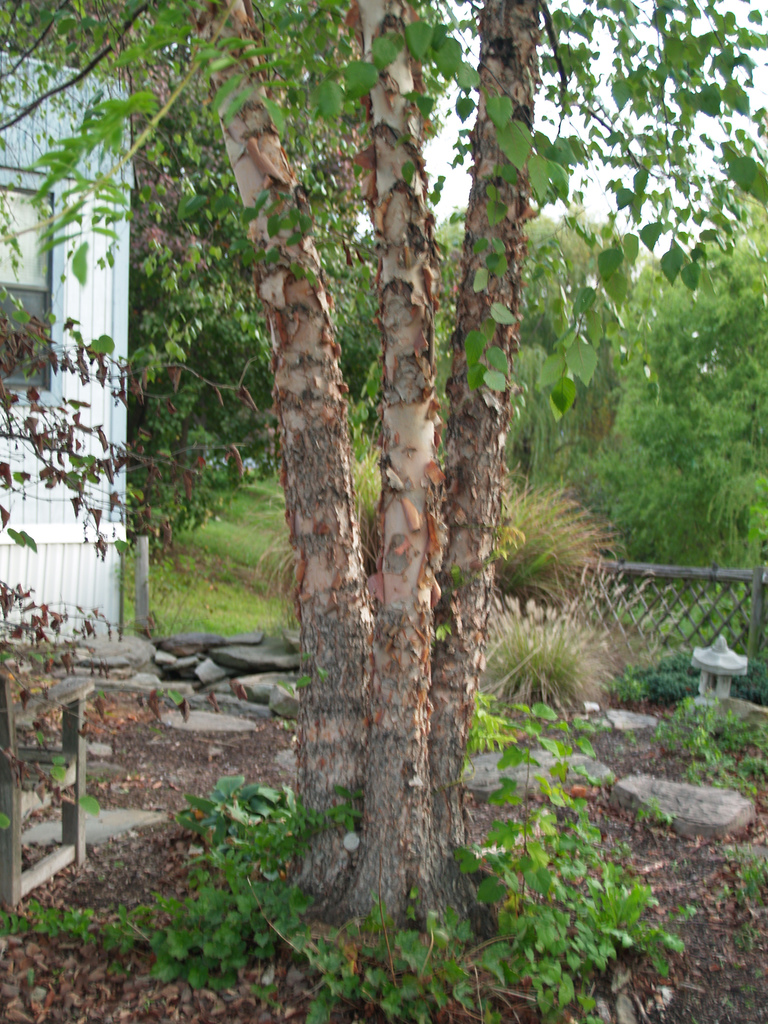
Matching plants to these conditions is key to success.
Step 3: Prioritize Native and Adapted Species
Native plants are the backbone of sustainable landscapes. They:
- Support local pollinators and wildlife
- Require less water and fertilizer
- Resist local pests naturally
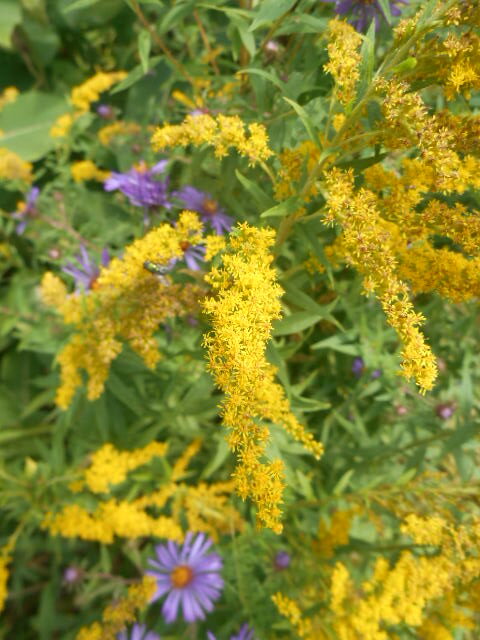
Complement natives with well-adapted ornamental species for added colour and texture.
Step 4: Think Beyond Aesthetics
While beauty matters, consider:
- Growth habits: Will the plant outgrow its space?
- Maintenance needs: Pruning, watering, fertilizing
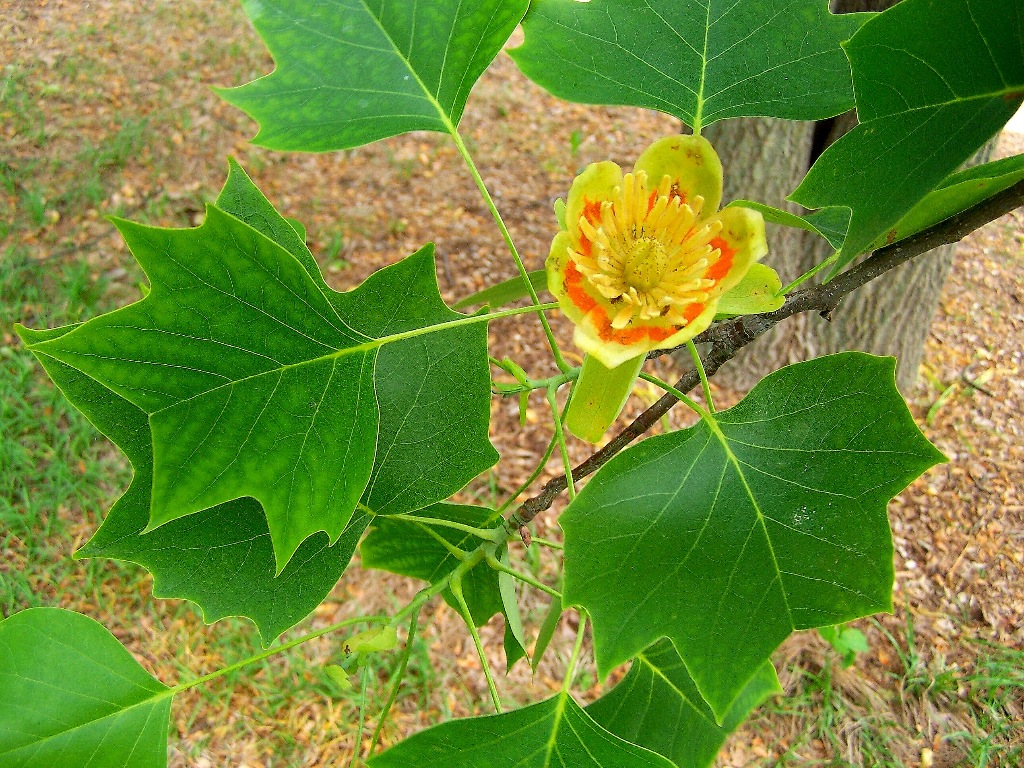
- Seasonal interest: Flowers, foliage, berries, bark texture
A well-planned mix ensures your garden looks great year-round.
Step 5: Design for Diversity
Avoid monocultures. A diverse plant palette:
- Reduces pest and disease risks
- Creates visual interest
- Supports biodiversity
Pro Tip from Verdant Landscape and Design
When in doubt, consult a horticulturist. We specialize in creating landscapes that harmonize with nature while reflecting your personal style. From lush gardens to integrated hardscapes, we’ll help you choose plants that thrive—not just survive.
Ready to transform your outdoor space? Contact us today for a personalized consultation and let’s bring your vision to life.
Ready to Transform Your Outdoor Space?
Let’s bring your vision to life!
📧 Email: matt@verdantlandscaping.ca
📞 Call/Text: 905-299-9403
Verdant Landscape and Design Inc. – Where horticulture meets artistry.
You may be interested in these articles:
A comparison of native and exotic witch hazels.
Using Oaks in your landscape.